Outdoor surfaces like driveways, patios, walkways, and parking areas are constantly exposed to weather changes, heavy loads, moisture, and daily wear. Because of this, building them with strength and durability in mind is very important. A well-built surface not only improves safety and appearance but also reduces long-term repair costs. Whether it is residential or commercial work, careful planning, the right materials, and proper installation methods all play a key role in making outdoor surfaces last longer and perform better over time.
Proper Planning and Material Selection
The first step in creating strong outdoor surfaces is proper planning. This includes understanding the purpose of the surface, expected load, and local weather conditions. For example, a driveway that supports vehicles needs stronger material than a simple garden path. Choosing high-quality materials is equally important. Strong aggregates, durable cement mixes, and weather-resistant finishes help improve surface life. When materials are selected carefully, the surface becomes more resistant to cracking, erosion, and water damage, which are common problems in outdoor environments.
Role of Concrete Contractors in Building Long-Lasting Surfaces
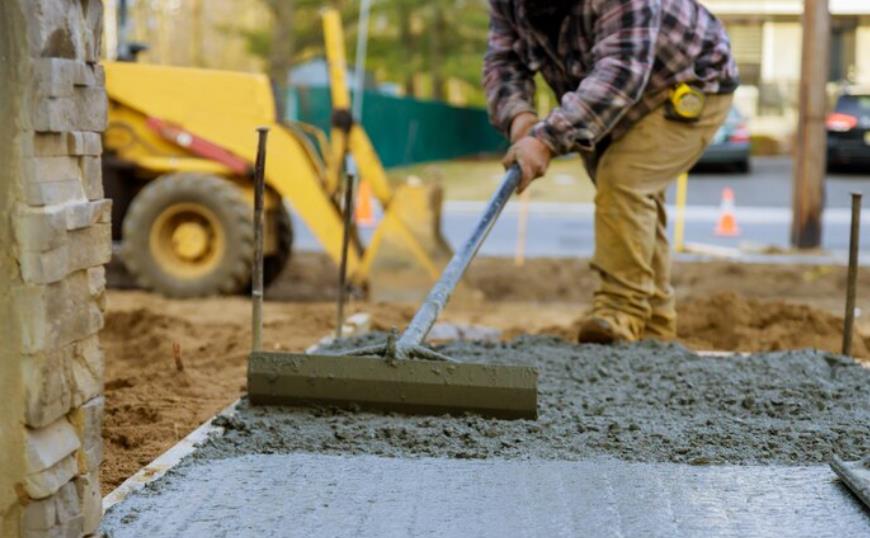
Experienced concrete contractors play a major role in ensuring outdoor surfaces are strong and durable. They understand the correct mixing ratios, proper pouring techniques, and finishing methods needed for long-lasting results. Skilled professionals also know how to adjust the concrete mix based on weather conditions, which helps prevent early damage like shrinkage cracks or weak bonding. In addition, they use modern tools and techniques to create smooth and even surfaces that can handle pressure and environmental stress. Hiring knowledgeable experts ensures that the project is completed with precision and meets long-term performance standards.
Importance of Site Preparation and Drainage
A strong outdoor surface depends heavily on how well the site is prepared before construction begins. The ground must be properly leveled, compacted, and cleared of weak soil or debris. Poor preparation can lead to sinking, uneven surfaces, or cracking over time. Drainage is another important factor that should not be ignored. If water collects on or under the surface, it can weaken the structure and reduce its lifespan. Proper slope design and drainage systems help direct water away, keeping the surface stable and dry even during heavy rain.
Curing, Maintenance, and Long-Term Care
After installation, proper curing is essential for strength development. Concrete needs time to harden slowly so it can achieve maximum durability. Rushing this process can lead to weak spots and surface damage. Once the surface is ready, regular maintenance helps extend its life. Cleaning debris, sealing cracks early, and applying protective coatings can prevent long-term issues. Simple care practices like avoiding heavy impact in weak areas also help maintain surface quality. With consistent attention, outdoor surfaces can remain strong and functional for many years.
Conclusion
Ensuring strength and durability in outdoor surfaces requires a combination of careful planning, quality materials, expert installation, and ongoing maintenance. Each step contributes to the overall performance and lifespan of the structure. When done correctly, outdoor surfaces not only look better but also withstand harsh conditions and daily use without frequent repairs.