Why Bad Weather Changes Duty of Care
Every motorist has the same duty of care, but weather changes it. The law requires drivers to act prudently. Rain on the road or fog on the planet change the standard. Reasonableness includes slower speeds, longer following distances, correctly employed lights, and softer inputs.
That shift affects fault allocation. Judges and adjusters question if everyone adjusted. A rider with a buffer, visible gear, and lights is regarded differently than one who outpaced sight distance. Same for the SUV that joined without clearing blind areas in a rainstorm. Comparative negligence frameworks convert decisions into compensation-affecting percentages. In pure comparative negligence states, a claimant’s culpability reduces their recovery. Crossing a threshold can eliminate recovery in modified comparative negligence states. The obligation of care remains regardless of weather. Recalibrates it.
How Physics and Perception Shape Fault Findings
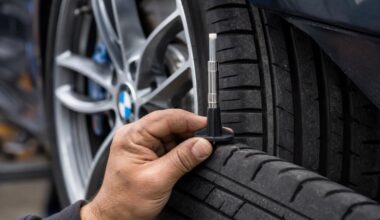
Weather does not just bow the trees. It rewrites the physics of the road. Water slashes the coefficient of friction between tire and asphalt, which inflates stopping distances. Oil rises in the first minutes of rain, and leaf litter becomes as slick as glass. On cold days, tire compound hardens, grip fades, and black ice hides in the shadows of bridges and overpasses.
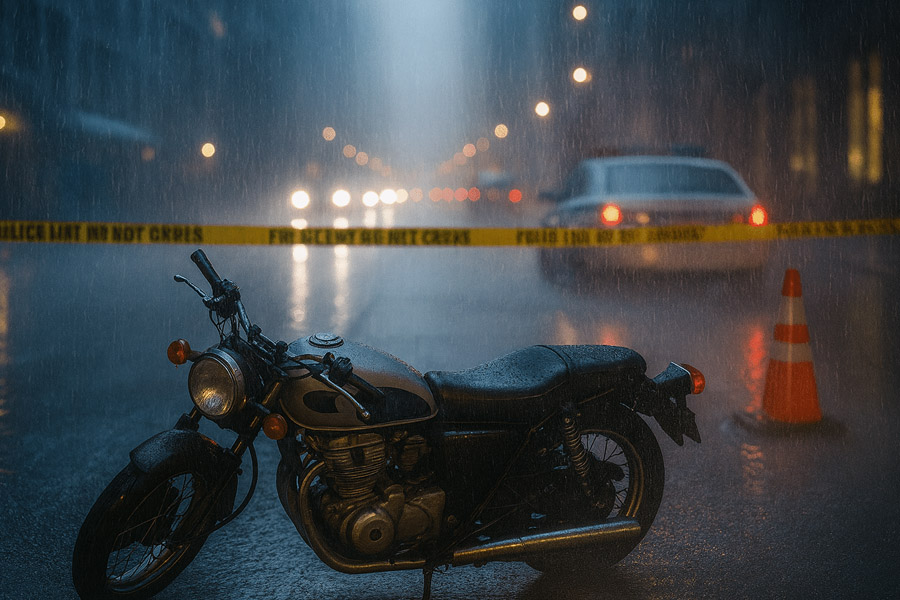
Also, perception narrows. Mist reduces contrast. Night rain makes headlights starburst. Truck spray swallows turn signals as moving curtains. Sensory changes inform fault analysis. Though fine on a dry afternoon, outdriving headlights or following too closely can be negligent under the new physics. Motorcycles enhance it. Minor drainage flaws can become big hazards due to tiny contact patches and high surface sensitivity. Understanding these mechanics explains crashes and who pays.
Evidence That Survives the Storm
Weather erases clues. Fast, targeted evidence collecting underpins a compelling claim. Forensic meteorological recordings can pinpoint minute-by-minute rainfall, fog, or freezing conditions near the crash. Spray patterns, standing water, and unlit vehicles may appear on traffic, commercial, and transit cameras. Timely preservation is needed because many systems overwrite within days.
Modern gadgets add more. Helmet and dash cameras photograph sightlines and closing speeds. Smartphones collect accelerations, gyroscope readings, and GPS trails of heavy braking and cornering. Some motorcycles record wheel speeds and ABS events to rebuild traction loss. Emergency dispatch logs, salt and plow routes, storm drain maintenance fines, and police CAD data form a timeline that shows if a public agency or contractor ignored a hazard.
On wet pavement, traditional skid marks may be faint or absent. Photogrammetry, drone imagery, and water-depth measurements from the scene can substitute. Even the sound of tire hiss in a video helps. Weather scatters the story. Good evidence gathers it again.
Insurance Tactics Unique to Weather Crashes
Weather prompts typical defenses. Insurers may utilize the unexpected emergency concept, God’s act, or weather as a superseding reason. Anti-concurrent causation wording may limit coverage if weather caused the loss. They sometimes argue that riders assumed the storm by voluntarily exposing themselves to risk.
Coverage architecture matters. In several states, motorcyclists are treated differently under no fault regimes, with limited or no PIP benefits, which shifts early medical costs to other coverages or health insurance. Uninsured and underinsured motorist provisions can become lifelines when the at-fault driver carried the legal minimum. Med pay subrogation can complicate net recovery. The same storm that complicates fault can also be used to depress valuation, with adjusters discounting pain and suffering where they perceive large shares of comparative fault.
Documents disprove these trends. Weather timeframes, visibility studies, and human factors assessments are effective against sudden emergency claims. Driving without headlights in fog, speeding in rain, or following too closely can change the story from unavoidable to preventable.
When Roads, Cities, and Contractors Share the Blame
Not all dangers are aerial. Many exist because of engineering, maintenance, or neglect. Drain clogs generate repeatable lagoons. Long, tire-trapping grooves in rusted asphalt carry water. Work zones without taper lengths or reflective sign sheets become traps when clouds break. Wet bridge joints and metal plates are dangerous.
Public bodies and contractors can share legal liability, but unique restrictions protect them. Short notice-of-claim deadlines. Damage limitations restrict healing. Design immunity protects long-standing highway decisions, while irresponsible maintenance is actionable. The difference counts. Previous complaints, mishaps, and planned but delayed repairs might demonstrate knowledge. In a storm, that knowledge may distinguish natural from irresponsible hazards.
Valuing Losses When Weather Is Involved
Weather does not reduce damages, but it makes them difficult to measure and easier to challenge. Motorcycle injuries sometimes involve nerve damage, orthopedic trauma, and complex soft tissue injuries with unclear dates. Lost wages, capacity, and adaptive equipment costs can last years. Custom gear, electrical modifications, and well-maintained bikes are worth more than book numbers.
Insurers may claim damp circumstances caused low-speed crashes and mild injuries. Medical imaging, functional capacity assessments, and treating physician narratives disprove that. Scar visibility, persistent pain, and recreational riding loss cause noneconomic harms. When a repaired motorbike, especially one with custom parts, depreciates, diminished value issues emerge. Weather caused the crash, but human actions before and after inflicted losses.
Litigation Strategies That Clarify a Cloudy Story
Jurors visualize weather cases. Many believe storms cause crashes or motorcyclists chose thrill over safety. Successful litigation replaces visuals with evidence. Drivers’ realistic sight distance in fog or rain is compared to speed and reaction time. Friction coefficient testing shows how slippery the surface was. 3D animations rebuild angles, gaps, and effects from collected data and real-world film.
Experts in human factors explain why a driver without headlights becomes nearly invisible in rain glare. Roadway experts map drainage failures. Accident reconstructionists explain why wet crashes leave little rubber on the roadway and how other data fills the gap. Demonstratives turn the invisible into the visual. Bias softens when physics and timelines take the stage.
Deadlines and Jurisdictional Traps
Weather-related crashes typically violate laws. The signage modifies fault, damages, and benefits for commuters between states. Lane splitting is allowed in guardrails in some places. Some use pure comparative negligence, others limit recovery above a percentage. Public entity notification requirements vary by statute and can be weeks and not years.
Legal clocks are slower than evidence clocks. Short-cycle cameras overwrite. Businesses trash video to save space. Salt trucks obliterate tracks, water evaporates, and greenery alters sightlines. Identification of defendants, forum, and deadlines is not procedural trivia. It decides whether a compelling claim is heard or not.
FAQ
Does bad weather excuse careless driving in a motorcycle crash?
No. Weather is a circumstance, not an excuse. Drivers and riders must adapt to conditions by adjusting speed, following distance, and visibility measures. If someone fails to adapt, that can be negligence even if the storm was severe.
How is fault divided when both weather and human error played a role?
Investigators and courts apportion fault based on the choices each person made within the conditions that existed. If weather created a low friction surface but a driver still followed too closely, a share of fault attaches to that driver. Percentages vary by evidence and jurisdiction.
What proof shows a road agency was responsible for a weather-related hazard?
Maintenance logs, prior complaints, drainage and plow routes, work orders, and emails can show knowledge of recurring hazards. Photographs of ponding, ruts, or blocked inlets, along with expert analysis of design and maintenance practices, help establish responsibility.
Are motorcycle claims treated differently under no fault insurance after storms?
In several states, motorcycles are excluded from or limited under no fault personal injury protection. That means medical and wage losses may proceed through liability, uninsured motorist, or health coverage rather than automatic PIP benefits, regardless of weather.
Can an insurer deny a claim as an act of God?
Acts of God language does not bar recovery when human negligence combined with weather to cause the crash. If a driver, contractor, or agency failed to act reasonably under the conditions, that fault can support coverage and liability despite the storm.
What if helmet cam footage is ruined by rain?
Other data can fill the gap. Nearby surveillance, traffic cameras, dash cams from other vehicles, smartphone sensor logs, dispatch records, and forensic weather data can reconstruct key facts like speed, visibility, and road surface conditions.
Do settlements tend to be lower when weather is involved?
They can be, because insurers often argue higher comparative fault or invoke sudden emergency themes. Strong evidence of unreasonable conduct, clear documentation of injuries, and detailed reconstruction increase the likelihood of full valuation.
How quickly does critical evidence disappear after a storm crash?
Often within days. Video systems overwrite, standing water drains, and plows or street sweepers erase physical traces. The most persuasive weather and scene evidence is frequently the evidence gathered immediately or preserved through timely requests.