The racing heart at seven in the morning, the feeling of shame over what you said last night, the sensation that everyone is angry with you when they are not: these are some of the symptoms of what is commonly called “hangxiety”, a state of anxiety that can occur after heavy drinking. However, while anxiety can come from a multitude of thoughts in your head, this form of it is actually a physiological response that can contribute to psychological distress, and understanding it can help explain the dreaded sensation that often follows a night of drinking.
What is hangxiety?
While anxiety following a night of drinking is common, the reason you are feeling anxious is less obvious. Not only can a Hangover ruin your day, it can also make you feel anxious due to the way alcohol affects your neurochemistry. The feelings of anxiety can increase if you are unable to recall the events of the previous night.
Neurochemistry behind hangxiety
First, alcohol is a central nervous system depressant. This means it suppresses activity in your brain, which is also why drugs like Xanax are often used to treat anxiety. Alcohol essentially acts as a depressant on your own central nervous system, affecting your body chemistry’s natural way of dealing with the stresses of life.
In his article, Dr. Brad Lander, a psychiatrist at the Ohio State University Wexner Medical Center, explains that alcohol lowers your brain’s “gas” and increases the level of “brakes”. More specifically, alcohol raises the level of the inhibitory neurotransmitter GABA in your system while reducing the excitatory glutamate, which your brain uses to signal “gas”. In short, alcohol is raising the levels of your brain’s brakes while lowering the levels of gas in your system. By doing so, alcohol is simply dampening the signals sent to your brain’s amygdala, the part of the brain responsible for regulating fear and excitement. This is why you feel relaxed after one or two drinks, theoretically. Your brain is simply in neutral with the brakes on and the gas untouched.
However, GABA and glutamate are not the only culprits for post-drinking anxiety.
Three other factors contribute to the physiological cause of anxiety following a night of drinking.
First, alcohol can increase the level of cortisol, also known as the stress hormone, in the body. The body’s levels of cortisol can stay high for an especially long time after you have stopped drinking, resulting in a feeling of being constantly on edge.
Second, alcohol can lower your blood sugar. Low levels of blood sugar can make you feel shaky and anxious.
Lastly, alcohol consumption can severely disrupt your sleep cycle. While you might sleep longer than usual if you have been drinking, you can also experience disrupted and shallow sleep. Additionally, the hours of REM sleep, otherwise known as the dreaming phase of your sleep cycle, can reduce by 60-70%. The reduction of REM sleep can prevent your brain from being able to properly process your emotions and store them in long-term memory correctly. This can create a sort of emotional backlog, where the events of the previous day are still affecting your mood and contributing to anxiety. Moreover, the reduction of dopamine, a feel-good hormone, as a result of drinking can contribute to feelings of depression. As such, while you might feel anxious the morning after drinking due to the inability to process your emotions and the increased levels of excitement and fear, you might also feel depressed and emotionally numb due to the reduction of dopamine the night before. Overall, feeling anxious the morning after drinking is not just the result of your mind’s inability to process emotions but also due to alcohol disrupting your normal neurochemical balance.
Social anxiety’s relationship with drinking
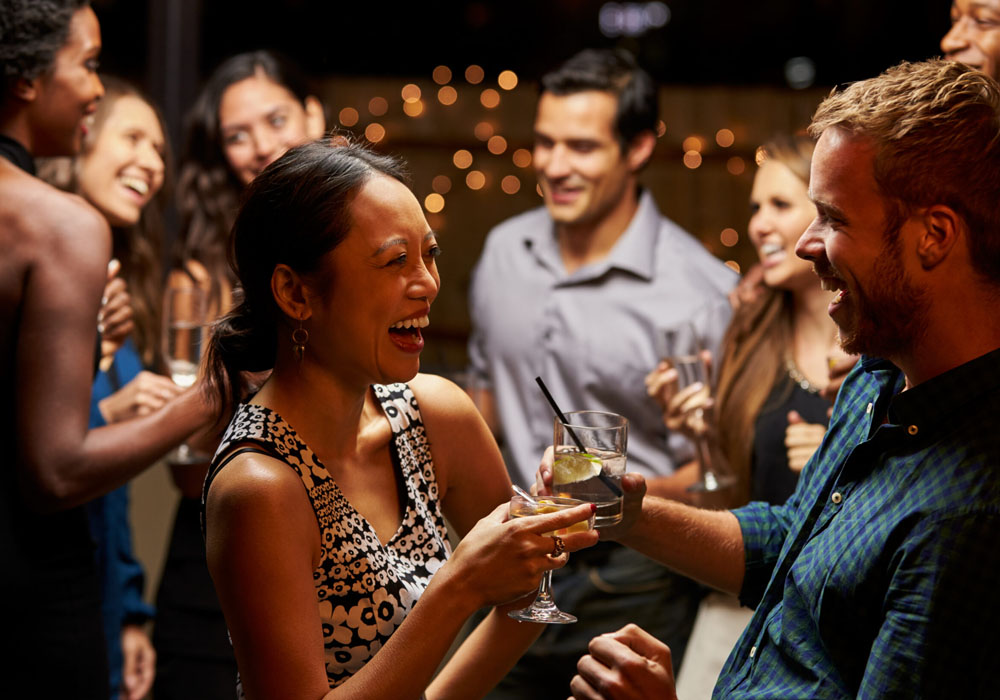
For many people, drinking is used as a tool to help with social anxiety. While this can help to a certain extent since alcohol can temporarily reduce anxiety levels due to the previously discussed reasons, the use of alcohol to suppress social anxiety can have a rebound effect and make anxiety levels higher than they were before. This is primarily due to the fact that your brain, in its attempt to deal with the reduced levels of anxiety, increases the activity of other parts of your brain that are responsible for anxiety. Now, the anxiety felt the morning after drinking can be a significant factor in avoiding social situations, which in turn leads to drinking more as a tool to deal with social anxiety. For some people, that next-day anxiety can contribute to psychological distress, particularly when it becomes a recurring part of social drinking. In short, you drink to cope with social situations, which leads to higher levels of anxiety the morning after drinking and more drinking to cope with social situations and anxiety: a self-perpetuating cycle. Understanding the previously mentioned neurochemistry can help you make sense of what is happening. You are not at fault for your anxiety; it is your biology working in tandem with a self-perpetuating mechanism that suppresses the symptoms temporarily, with a price to pay later.
When is it more than just a bad day?
In most cases, hangxiety lasts for an entire day, with most people finding that their symptoms subside by the end of the day. If you are feeling anxious weeks after a night of drinking, anxious more often than not after nights of drinking, or if your anxiety feels disproportionate to what happened the previous night, it is a good idea to analyze your situation more closely and consult a professional. Recurring anxiety following nights of drinking is a sign of an underlying issue that should be addressed, be it a different manifestation of anxiety, an unhealthy relationship with alcohol, or a coping mechanism that is hurting you more than helping you in the long run.
How to actually help yourself
So, aside from drinking water, what can you do to help yourself deal with the anxiety following a night of drinking?
One solution is pacing yourself in order to reduce the severity with which your brain has to adjust to the changes in neurochemistry.
Eating before and while you drink can also help since alcohol can reduce your blood sugar.
Alternating alcoholic drinks with water can also help your body deal with the overall burden on your nervous system.
Lastly, alcohol as a sleep aid is not recommended as a means to deal with hangxiety. Drinking yourself to sleep is not a good way to get quality sleep and will only hurt you in the long run.
Each one of these solutions is helpful because they address the causes rather than the symptoms of hangxiety.
The conclusion
The root cause of anxiety the morning after drinking is not your lack of willpower but rather the fact that your brain is experiencing a hyperexcitatory state. The more you drink, the more your brain has to increase the level of certain Neurotransmitters in order to counteract the depressive effects of alcohol. The fact that your brain is so good at adapting is why you feel drunk during a night of heavy drinking. While knowing the cause of your anxiety is not going to make it go away, it will make it easier to deal with without being embarrassed about it since it is a natural response in your body.