The Art of Continental Shoe Construction and Material Mastery
In an era dominated by rapid fashion cycles, the steadfast appeal of premium European footwear remains a constant. These shoes represent more than just items of clothing. They are a profound legacy of craftsmanship, precision, and an unwavering commitment to quality honed over centuries.
This article explores the deep-rooted heritage of continental shoe construction. It highlights the meticulous selection of materials, the innovative ergonomic designs, and the lasting value these pieces offer. From classic dress shoes to exceptionally comfortable premium leather clogs, European shoemakers prioritize durability and comfort.
Readers will discover what truly distinguishes European footwear from mass-produced alternatives. The discussion will cover everything from the journey of materials, like high-grade leather, to the intricate bench-crafted techniques that ensure each pair offers superior support and longevity. Understanding this legacy helps in appreciating why such footwear makes an enduring and thoughtful gift.
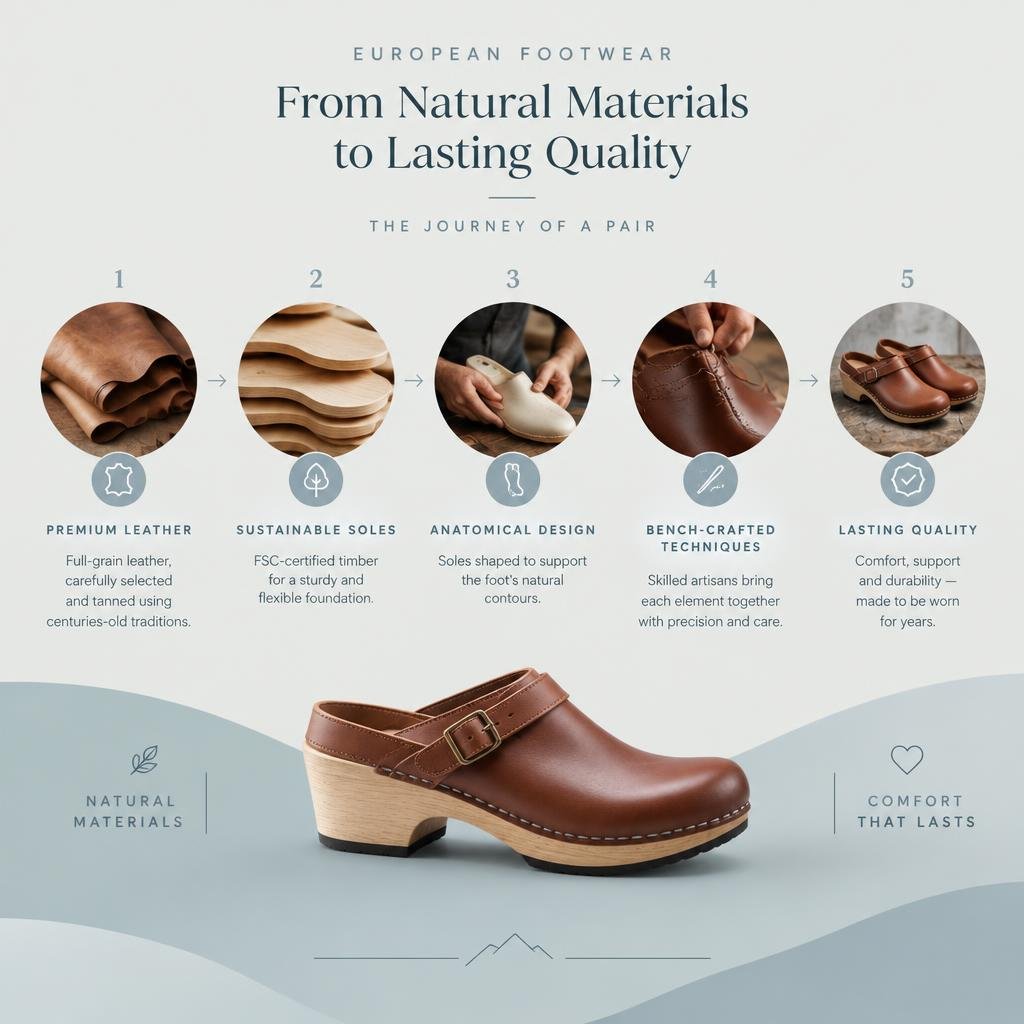
The foundation of premium European footwear lies in its unparalleled approach to material selection and construction. Centuries-old tannery traditions dictate the careful processing of hides, ensuring that only full-grain leather, known for its strength, durability, and natural beauty, makes it into production. This isn’t merely about aesthetics; it’s about creating a material that breathes, molds to the foot over time, and develops a rich patina, telling a story with every wear. Beyond leather, the use of FSC-certified timber for soles underscores a commitment to sustainable sourcing, providing a sturdy yet flexible base. These natural materials, combined with anatomical soles designed to support the foot’s natural contours, are meticulously brought together through bench-crafted techniques. This hands-on approach, often involving multiple skilled artisans, contrasts sharply with automated assembly lines, guaranteeing a level of quality and attention to detail that mass production cannot replicate. The result is footwear that not only looks exquisite but also feels inherently right, offering comfort and support from the very first step.
Defining Standards in Premium European Footwear
The hallmarks of premium European footwear are rooted in a set of uncompromising standards that prioritize both structural integrity and wearer comfort. Structural durability is paramount, achieved through robust stitching, reinforced stress points, and the careful integration of components designed to withstand years of active use. A key element is superior arch support, which is often integrated into the shoe’s last (the foot-shaped mold around which the shoe is built), promoting healthy foot alignment and reducing strain during prolonged wear. The choice of materials also plays a crucial role, with many brands favoring vegetable-tanned hides. This traditional tanning method uses natural tannins found in bark, leaves, and fruit, resulting in leather that is not only environmentally friendlier but also retains more of its natural characteristics, allowing it to age gracefully and conform beautifully to the foot. These meticulous choices and construction methods are what elevate European footwear, setting a benchmark for quality that discerning consumers recognize and appreciate.
Enduring Natural Materials from Leather to Solid Wood Bases
The commitment to natural materials extends beyond leather to the very soles of many European footwear designs, particularly in styles like clogs. European beechwood, known for its strength and fine grain, is a common choice for these solid wood bases. This material offers distinct advantages: it is naturally breathable, helping to regulate foot temperature and prevent moisture build-up. Unlike synthetic alternatives, wood soles provide inherent shock absorption, which, when combined with proper anatomical shaping, can significantly reduce impact on the joints. The rigidity of a well-crafted wooden sole also offers excellent support, maintaining the foot’s natural arch and promoting stable gait. This deliberate choice of enduring natural materials contributes not only to the longevity and comfort of the footwear but also to its distinctive aesthetic and connection to traditional craftsmanship.
Ergonomic Innovation and the Mechanics of Foot Health
Beyond their aesthetic appeal, premium European footwear is renowned for its deep understanding and application of ergonomic principles, directly contributing to foot health and overall well-being. Podiatric support is often a primary design consideration, with shoes engineered to cradle the foot’s natural arches and provide stability. This thoughtful construction helps in maintaining proper spinal alignment, a critical factor in preventing back pain and improving posture. By ensuring correct weight distribution across the foot, European footwear minimizes pressure points and reduces strain on joints. A standout innovation in this regard is the rocker sole mechanics, found in many comfort-oriented designs. This gently curved sole encourages a natural rolling motion from heel to toe, reducing the effort required for walking and significantly contributing to fatigue reduction, especially during long periods of standing or walking. The integration of these advanced ergonomic features transforms footwear from a mere accessory into a vital tool for health and comfort.
Everyday Functionality in Premium European Footwear
The ergonomic benefits of premium European footwear translate directly into enhanced everyday functionality, making these shoes ideal for various lifestyles and occupations. For those whose professions demand long hours on their feet, the built-in support and comfort contribute to workplace endurance, allowing individuals to remain productive and comfortable throughout the day. This focus on occupational comfort is particularly valued in fields like healthcare, hospitality, and education, where standing and walking are constant. Furthermore, the thoughtful design aids in posture enhancement, gently guiding the body into a more aligned position, which can alleviate chronic discomfort. The robust construction and high-quality materials ensure all-day wearability, meaning these shoes can seamlessly transition from a morning commute to an evening engagement without sacrificing comfort or style. Investing in such footwear is an investment in daily well-being and sustained performance.
Handcrafted Traditions versus Industrial Mass Production
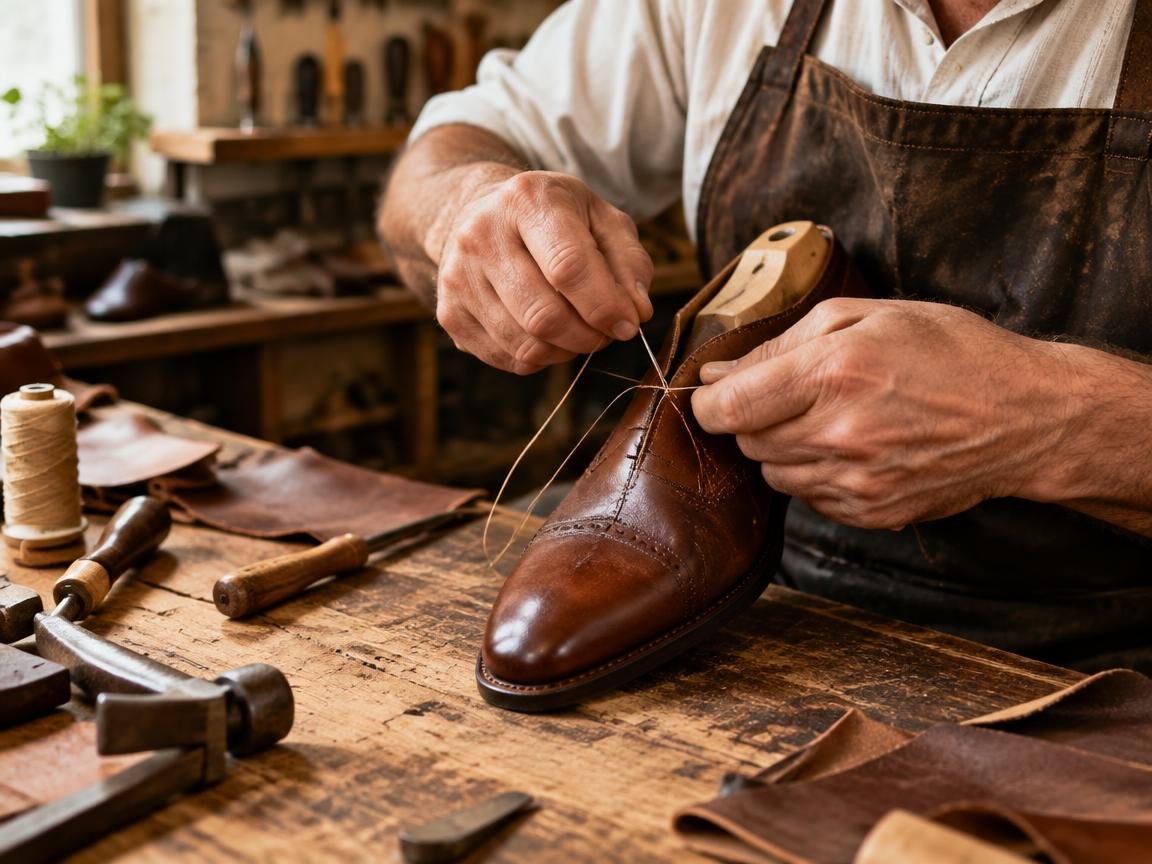
The distinction between handcrafted traditions and industrial mass production is stark, particularly in the realm of premium European footwear. Traditional artisan workshops prioritize quality over quantity, often employing techniques like welted construction. This method, where the upper, insole, and sole are stitched together with a leather “welt,” creates an incredibly durable and easily repairable shoe, extending its lifespan significantly. Small-batch manufacturing allows for meticulous attention to detail at every stage, from cutting the leather to the final polish, ensuring consistency and excellence. This approach inherently results in a lower carbon footprint compared to the energy-intensive processes of large-scale factories, making it a more environmentally conscious choice. The artisan workshops, often family-run for generations, embody a philosophy of creating lasting products, fostering a connection between the maker and the wearer that is lost in the anonymity of mass production. This commitment to traditional methods is a cornerstone of the European footwear legacy.
The Legacy of Premium European Footwear
Gifting Heritage: Preserving Value Through Premium European Footwear
In a world saturated with fleeting trends, the act of gifting premium European footwear or a voucher for it transcends mere material exchange; it’s an investment in heritage, quality, and lasting value. This represents mindful gifting, a conscious choice to offer something that will be cherished and utilized for years, rather than discarded after a season. The timeless design inherent in these pieces ensures they remain stylish and relevant, defying the rapid obsolescence of fast fashion. Each pair, often crafted with heirloom quality, has the potential to become a treasured item, perhaps even passed down through generations. When presenting such a gift, the aesthetics of presentation become paramount. Thoughtful wrapping, a personalized note, or a beautifully designed gift voucher elevates the experience, underscoring the significance of the item within. It’s about conveying that this isn’t just a pair of shoes, but a piece of enduring craftsmanship.
The Tangible Value of Enduring Craftsmanship
The tangible value of enduring craftsmanship in premium European footwear is multifaceted. These shoes are not just accessories; they are wardrobe staples, foundational pieces that anchor an outfit and provide reliable comfort. When considering the cost per wear, high-quality footwear proves to be a far more economical choice in the long run than cheaper, less durable alternatives that require frequent replacement. This aligns perfectly with sustainable choices, as investing in repairable, long-lasting items reduces waste and minimizes environmental impact. For the giver, this translates into elevated gifting – the knowledge that their present is not only appreciated for its immediate appeal but also for its practical utility and longevity. It’s a gift that keeps on giving, offering comfort, style, and reliability day after day, year after year.
Sizing and Presentation Strategies for Footwear Vouchers and Keepsakes
Gifting footwear can sometimes be challenging due to fit considerations. This is where a thoughtfully designed gift voucher becomes an ideal solution, offering the recipient the freedom to choose their perfect size and style. To make the voucher itself a memorable part of the gift, consider creative presentation cards. These can be beautifully printed on high-quality cardstock, perhaps featuring imagery of artisanal workshops or the natural materials used. Reveal packaging adds an element of surprise and delight; imagine a voucher nestled within a small, elegant box, perhaps with a velvet lining, or presented in a custom-made envelope sealed with wax. The goal is to create a tactile unboxing experience that mirrors the premium quality of the footwear itself. This transforms a simple voucher into a tangible keepsake, building anticipation and making the act of gifting feel as special as the item it represents. It’s a way to bridge the gap between the practical need for correct sizing and the desire for a luxurious and personal gift experience.
Sustainable Stewardship and the Modern Shoemaking Landscape
In an increasingly environmentally conscious world, premium European shoemakers are often at the forefront of sustainable stewardship, integrating eco-friendly practices into their production processes. This commitment is evident in the adoption of circular design principles, where products are made to last, repaired when needed, and ultimately recycled or repurposed. Local European sourcing of materials, from leather to wood, reduces transportation emissions and supports regional economies, fostering a more sustainable supply chain. The emphasis on repairability is a cornerstone of this philosophy; many high-quality European shoes are designed so that components like soles can be replaced, extending the life of the footwear indefinitely. This stands in stark contrast to the disposable nature of much mass-produced fashion. By prioritizing environmental responsibility, these brands are not only crafting exceptional products but also contributing to a more sustainable and ethical future for the footwear industry. Their practices demonstrate that luxury and longevity can indeed go hand-in-hand with ecological mindfulness.
Frequently Asked Questions About European Footwear Craftsmanship
What distinguishes European shoe construction from mass-market alternatives?
European shoe construction is set apart by several key factors. Firstly, the use of anatomical lasts, which are carefully sculpted to mimic the natural shape of the human foot, ensures a superior fit and comfort that mass-produced shoes often lack. Secondly, traditional bench-assembly methods involve skilled artisans meticulously crafting each shoe by hand, allowing for precision and attention to detail that automated processes cannot achieve. Thirdly, the insistence on natural raw materials, such as full-grain leather and sustainably sourced timber, contributes to both the durability and breathability of the footwear. Finally, many European workshops adhere to ethical workshop standards, prioritizing fair labor practices and sustainable production, which adds another layer of distinction beyond the product itself. These combined elements result in footwear that offers unparalleled quality, comfort, and longevity.
How should genuine leather and wooden footwear be maintained for longevity?
Proper maintenance is crucial for ensuring the longevity of genuine leather and wooden footwear. For leather, regular cleaning with a damp cloth and conditioning with a high-quality leather conditioner will keep the material supple, prevent cracking, and protect it from drying out. For timber components, such as wooden soles, occasional cleaning and applying a wood-specific sealant or oil can help maintain their integrity and prevent moisture damage. It’s important to allow shoes to air dry naturally away from direct heat after wear, especially if they’ve become wet, to prevent warping or damage to both leather and wood. Storing them in a cool, dry place, ideally with shoe trees to maintain their shape, is also recommended. Finally, the resoling capability of many traditionally constructed European shoes means that worn-out soles can be replaced, giving the footwear a new lease on life and significantly extending its utility.
Why is artisanal footwear considered an ideal investment gift?
Artisanal footwear is considered an ideal investment gift for several compelling reasons. Its inherent durability means it will last for many years, offering consistent utility and comfort rather than being a fleeting possession. The ergonomic comfort, often designed with foot health in mind, provides a daily benefit to the recipient, making it a practical and thoughtful present. Furthermore, the timeless aesthetic of well-crafted European shoes ensures they remain stylish regardless of changing fashion trends, making them a versatile addition to any wardrobe. The lasting utility and quality craftsmanship mean that such a gift continues to provide value and pleasure long after the initial occasion, embodying a thoughtful and enduring gesture.
Conclusion
The legacy of premium European footwear is a testament to the enduring value of craftsmanship, quality, and thoughtful design. It represents a conscious choice for heritage preservation, honoring time-honored techniques and materials. The enduring quality of these shoes, from the selection of full-grain leather to bench-crafted construction, ensures they are built to last, offering comfort and style for years. Beyond aesthetics, the focus on ergonomic wellness provides tangible benefits for foot health and overall posture. Investing in artisanal value, whether for oneself or as a gift, is a decision that celebrates tradition, promotes sustainability, and provides lasting satisfaction in a world often driven by the temporary.