Scottsdale has quietly built a reputation as one of the most active markets in the country for high-end and investment-grade jewelry. The combination of concentrated wealth, a thriving luxury retail scene, and a sophisticated buyer base has turned this desert city into a genuine hub for collectors, dealers, and private sellers alike.
The Wealth Concentration Factor
Scottsdale consistently ranks among the wealthiest cities in the American Southwest. The zip codes surrounding Old Town and North Scottsdale are home to a dense population of high-net-worth individuals, retirees with substantial assets, and second-home owners who split time between Scottsdale and other affluent markets. That demographic profile creates organic demand for fine jewelry at every level.
When a city has this many people with disposable income and an appreciation for luxury goods, the secondary market for jewelry becomes unusually active. Estate sales, private transactions, and dealer exchanges happen with regularity. Pieces change hands not just as sentimental objects but as deliberate financial assets. That distinction matters.
This wealth concentration also attracts experienced buyers and appraisers who relocate their businesses to serve the market. The result is a local ecosystem that supports the full lifecycle of investment-grade jewelry, from acquisition to appraisal to resale.
What “Investment-Grade” Actually Means in Practice
The term gets used loosely, but investment-grade jewelry generally refers to pieces that hold or appreciate in value over time. Several characteristics define this category:
- Provenance and maker identity: Pieces from recognized houses like Cartier, Van Cleef and Arpels, or Tiffany carry inherent value tied to brand heritage.
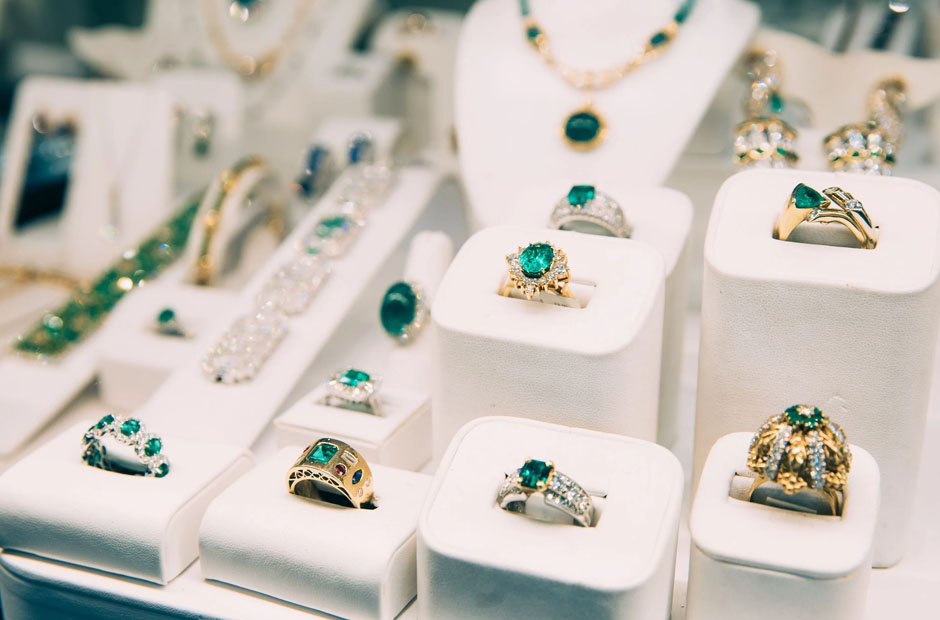
- Stone quality: Diamonds graded by reputable gemological laboratories, along with natural rubies, sapphires, and emeralds of exceptional color and clarity, form the backbone of investment-grade collections.
- Rarity and age: Vintage and antique pieces from distinct design periods, particularly Art Deco and Edwardian eras, attract serious collectors who understand scarcity.
- Condition and completeness: Original boxes, certificates, and documentation meaningfully increase resale value.
- Metal content: High-karat gold and platinum settings add intrinsic material value on top of craftsmanship.
Scottsdale buyers and sellers tend to understand these distinctions well. The market here rewards knowledge, and that sophistication on both sides of a transaction keeps quality high.
The Role of the Local Luxury Ecosystem
Scottsdale doesn’t operate in isolation. The city benefits from proximity to Phoenix, which functions as a major metropolitan hub, while maintaining its own identity as a luxury destination. High-end resorts, galleries, and boutiques line the streets of Old Town and the Kierland and Scottsdale Quarter corridors. That retail environment normalizes luxury spending in a way that smaller markets simply cannot replicate.
Auction houses and gallery events tied to the art and collectibles world bring additional foot traffic from buyers who often cross over into fine jewelry. A collector who arrives in Scottsdale for an art auction might leave with a signed piece of estate jewelry discovered at a dealer’s shop two blocks away. These overlapping markets reinforce each other.
The city also hosts a strong network of estate attorneys, financial advisors, and trust officers who regularly work with clients liquidating or acquiring jewelry as part of broader wealth management strategies. Jewelry is treated here as a legitimate asset class. Not an afterthought.
Selling Investment-Grade Jewelry in Scottsdale
The process of selling fine jewelry in Scottsdale reflects the market’s maturity. Sellers have real options, and understanding those options makes a significant difference in outcomes.
Working With Local Buyers and Dealers
Local dealers bring speed and convenience. A direct sale to an established jewelry buyer means no waiting for auction cycles and no consignment fees eating into proceeds. Dealers in this market are experienced enough to recognize value quickly, which benefits sellers who need a straightforward transaction. Platforms and businesses catering to those looking to sell jewelry in the Scottsdale area reflect just how developed the local buyer network has become.
The trade-off with a direct dealer sale is that the price reflects wholesale or near-wholesale value. Dealers need margin to operate. For sellers prioritizing speed and certainty, this is a reasonable exchange.
Auction and Consignment Routes
Auction houses offer the possibility of competitive bidding that pushes a piece toward its ceiling value. For rare or historically significant jewelry, this route makes sense. But the drawbacks are timeline and fees. A major auction house may take months to schedule a piece, and buyer’s premiums combined with seller’s commissions can reduce net proceeds significantly.
Consignment with a reputable dealer sits somewhere in the middle. The piece stays on the market until the right buyer appears, and the seller typically receives a higher percentage than a direct sale while avoiding the overhead of auction. Patience is required.
Private Sales and Estate Channels
High-value pieces sometimes move through private networks entirely. Estate attorneys facilitating asset distributions, financial advisors managing inherited collections, and word-of-mouth within collector communities all generate transactions that never touch a public marketplace. Scottsdale’s density of wealth and professional services makes this channel more accessible here than in most cities.
Why Scottsdale Attracts Serious Collectors
Beyond the transactional side of the market, Scottsdale has developed genuine collector culture. The city’s art scene, which includes dozens of galleries and a long history of supporting fine craft, creates an audience that thinks about objects in terms of quality, rarity, and lasting value. That mindset translates naturally to jewelry collecting.
The climate plays a subtle role too. Scottsdale’s dry desert environment is actually favorable for storing precious metals and gemstones, since high humidity accelerates tarnish and can damage organic materials like pearls and coral. Collectors here deal with fewer storage headaches than counterparts in coastal cities.
Seasonal migration matters as well. Snowbirds and part-time residents who winter in Scottsdale often arrive with collections built over decades in other markets. When those individuals decide to downsize, liquidate, or trade up, they inject inventory into the local market that reflects tastes and acquisition histories from New York, Chicago, and the Pacific Northwest. The diversity of pieces available in Scottsdale at any given time is genuinely impressive as a result.
Conclusion
Scottsdale’s position as an investment-grade jewelry market is not accidental. It reflects decades of wealth accumulation, a mature luxury retail environment, and a buyer and seller base that treats fine jewelry as a serious asset. The infrastructure supporting transactions here, from appraisers to dealers to estate professionals, continues to deepen. For collectors building or refining a portfolio, and for sellers navigating the process of liquidating inherited or acquired pieces, Scottsdale offers resources and market access that few comparable cities can match.