Key Takeaways
- Medical care and immediate safety come before insurance discussions.
- Photos, trip details, witness information, and app screenshots can preserve facts that may disappear quickly.
- Rideshare insurance may depend on whether the driver was offline, waiting for a request, driving to a pickup, or carrying a passenger.
- Hotel driveways, airport roads, construction zones, and Strip traffic can create unique evidence issues in Las Vegas.
- Passengers, drivers, pedestrians, bicyclists, and occupants of other vehicles may face different claim questions.
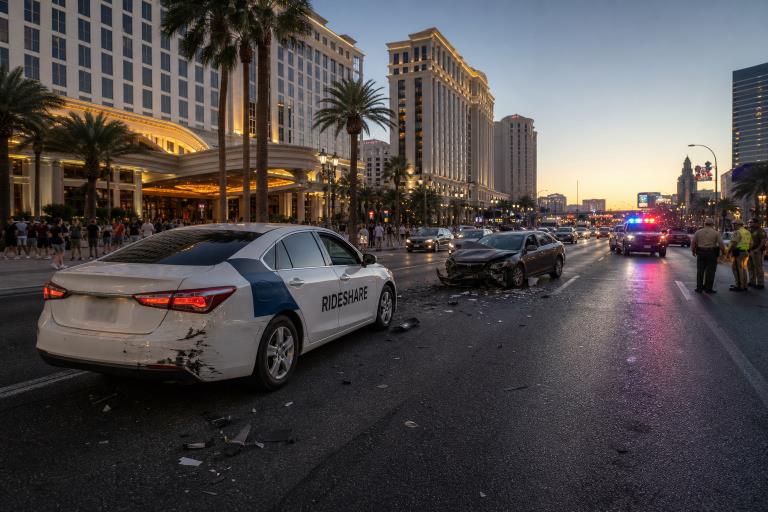
A rideshare collision can turn an ordinary trip to a resort, airport, restaurant, or home into a confusing situation involving injuries, police, app records, and multiple insurance policies. If you are weighing whether to seek local legal guidance, uber accident attorney Las Vegas is a useful starting point. Ahlander Injury Law is a Las Vegas personal injury firm with a rideshare accident resource focused on Uber and Lyft crashes involving passengers, drivers, and other motorists. The firm emphasizes Nevada rideshare and insurance issues, local representation in Las Vegas, and trial experience for injury claims. The priority is always safety. Protect your health, get out of danger when possible, and avoid making rushed statements about fault or coverage before the facts are known. A clear record created in the hours after the crash can make later questions easier to answer.
What to Do in the First Few Minutes
First, check yourself and others for immediate danger or serious injury. Call 911 if anyone may be hurt, if vehicles are blocking traffic, or if police assistance is needed. If the vehicle can be moved safely, get away from moving traffic. Do not argue with another driver, apologize for something you do not understand, or speculate about who caused the collision.
Suggested Action Steps
- Check for injuries and call 911 when needed.
- Move to a safer location only if it is safe to do so.
- Exchange names, contact details, license plate numbers, and insurance information.
- Report the crash through the rideshare app.
- Take photographs before vehicles, debris, or road conditions change.
- Seek medical evaluation and follow the provider’s instructions.
Why Las Vegas Crash Scenes Can Be Complicated
Las Vegas traffic can change quickly. Rideshare drivers frequently enter resort driveways, stop near crowded curbs, navigate pickup zones, and make last-minute turns. The Las Vegas Strip, Downtown Las Vegas, Spring Mountain Road, Flamingo Road, Harry Reid International Airport approaches, and large hotel entrances can all involve heavy pedestrian activity, unfamiliar visitors, lane changes, and limited safe places to stop. These conditions do not mean any particular area is always unsafe. They do mean that evidence can vanish quickly. A witness may leave for a flight, vehicles may be moved, and security footage from a nearby business or resort may be overwritten. If you were offered an off-app cash ride, that could create additional problems. The Nevada Transportation Authority explains that paid passenger transportation must be properly licensed or permitted, and rideshare drivers generally cannot accept passengers outside the licensed app network.
Evidence to Save Before It Disappears
Create a simple evidence file as soon as your health allows. You do not need to investigate the crash yourself or place yourself in danger. Focus on preserving the information already available to you.
Evidence Checklist
- Photos of vehicle damage from several angles.
- Pictures of lane markings, traffic lights, signs, debris, weather conditions, and nearby businesses.
- Screenshots of the trip receipt, driver profile, pickup point, destination, and trip time.
- Names and contact details for independent witnesses.
- Police report details, including the incident number and responding agency.
- Medical records, discharge paperwork, prescriptions, and appointment dates.
- Notes about pain, lost sleep, missed work, and limits on daily activities.
- Messages or claim numbers from insurers and the rideshare platform.
How Rideshare Insurance May Apply
Coverage is not always determined simply by whether the vehicle displayed an Uber or Lyft sticker. The driver’s app status at the moment of impact can matter. Nevada identifies different transportation network company phases, so it is important to confirm the trip status and identify all potentially relevant policies rather than assume that a certain amount of coverage applies.
- App off:The driver may be operating under a personal auto policy.
- App on, no ride accepted:A different level of rideshare-related coverage may apply.
- Ride accepted or passenger inside:Coverage requirements may be higher, but details still depend on the policies and facts involved.
How Claims May Differ by Person
- Passenger:May need to deal with the rideshare company, the driver, another motorist, or several insurers.
- Rideshare driver:May need to examine personal insurance, platform-related coverage, and the driver’s app activity.
- Other motorist:May have a claim involving the rideshare driver, another vehicle, or both.
- Pedestrian:May benefit from preserving video, witness accounts, crosswalk details, and vehicle damage evidence.
- Bicyclist or scooter rider:Should document damaged equipment, the travel path, road conditions, and visible injuries.
Why Medical Follow-Up Matters
Some crash injuries are not obvious immediately. Neck pain, headaches, soft-tissue injuries, dizziness, and concussion symptoms can appear or worsen later. Get prompt medical care for concerning symptoms, keep scheduled appointments, and tell providers about changes in your condition. At the same time, be accurate. Do not exaggerate symptoms, and do not skip recommended care without discussing concerns with your provider.
Common Mistakes to Avoid
- Leaving without basic information, unless safety or urgent medical needs require it.
- Posting photos, opinions about fault, or injury details on social media.
- Giving a recorded statement before understanding the questions being asked.
- Accepting a quick settlement before the extent of an injury is clear.
- Assuming the rideshare company, insurer, hotel, or business will preserve records automatically.
When a Legal Review May Help
A legal review may be helpful when injuries are serious, several vehicles are involved, fault is disputed, the driver’s app status is unclear, or an insurer delays or denies a claim. It can also help when evidence may exist through nearby security cameras, trip records, or witnesses who are difficult to locate. A case-specific review can clarify questions without requiring you to make immediate decisions while recovering.
A Simple 24-Hour Checklist
- Call 911 when necessary and obtain medical attention.
- Save rideshare trip and driver information from the app.
- Photograph the scene, vehicles, injuries, and roadway conditions.
- Write down what happened while details remain fresh.
- Report the collision to the rideshare platform.
- Notify the appropriate insurer without guessing about fault.
- Save every bill, message, medical record, and appointment note.
Conclusion
A rideshare crash in Las Vegas can involve more than an exchange of insurance cards. Protect your health first, preserve useful evidence, report the incident, and avoid rushed conclusions about responsibility or insurance coverage. Take photographs of the scene, gather contact information from witnesses, and keep records of medical treatment, vehicle damage, and communications with insurers or the rideshare company. Even if injuries seem minor, seeking prompt medical attention can help identify conditions that may not appear immediately. Those practical steps can help you understand what happened, support any future insurance or legal discussions, identify the next questions that need answers, and reduce confusion during an already stressful situation.