Key Takeaways
- Prioritize safety and follow official reentry guidance after a wildfire.
- Protect your health from smoke, ash, and hazardous debris.
- Photograph property damage before cleanup or repairs.
- Contact your insurer and keep organized claim records.
- Save receipts for temporary housing and recovery expenses.
- Use qualified contractors and explore available disaster assistance.
- Preserve relevant evidence and seek professional guidance when needed.
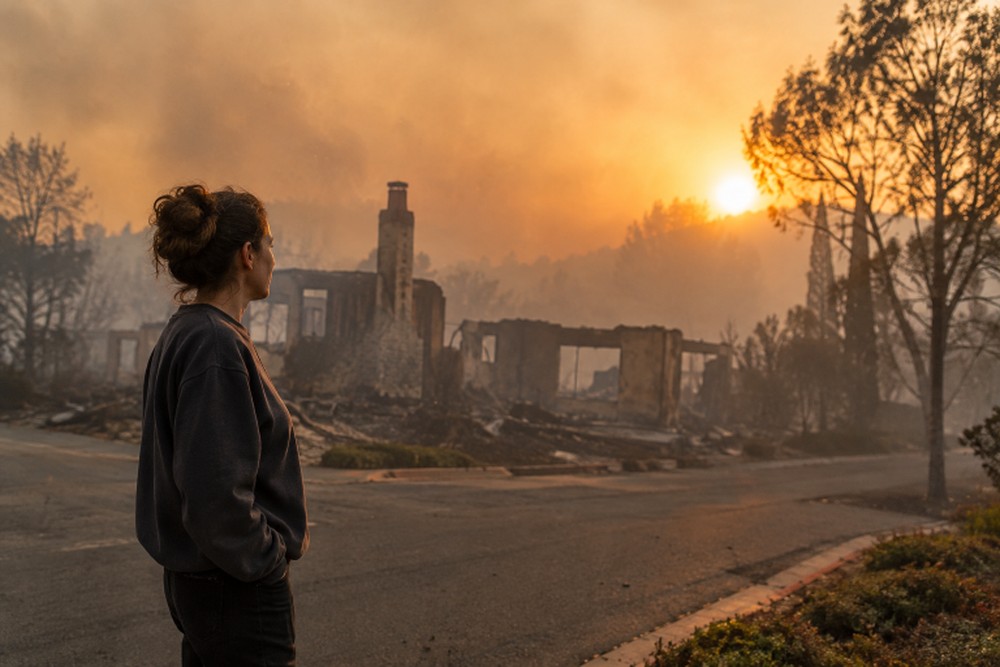
A wildfire can leave homeowners, renters, and families facing urgent decisions about safety, housing, damaged property, health concerns, and insurance. The first days can feel overwhelming, but a written plan helps ensure important tasks aren’t missed. If someone has been hurt or believes another party may be responsible for losses, information about personal-injury legal representation may help them understand the questions they should raise with a qualified professional. Recovery is rarely a single task. It often involves returning safely, documenting what happened, protecting health, preserving receipts, and communicating with insurers and public agencies. Focus first on immediate risks, then work through the financial and property issues one step at a time. It can also help to assign small tasks among family members or trusted friends, such as gathering policy documents, calling utility providers, or making a list of damaged belongings. Keeping one folder, notebook, or secure digital file for recovery records can reduce confusion as the process continues.
Put Safety First Before Returning Home
Do not return to an evacuated neighborhood until local emergency officials say it is safe. Burned areas may contain hot ash, smoldering material, damaged utility lines, weakened trees, unsafe drinking water, and unstable structures. Federal guidance about returning after a wildfire also emphasizes waiting for official approval before entering a damaged area. For an initial visit, wear sturdy closed-toe shoes, gloves, long sleeves, and eye protection. Bring drinking water, a flashlight, a charged phone, and a mask appropriate for dusty conditions. Keep children, pets, and anyone with significant breathing concerns away from hazardous debris whenever possible. Before entering a house or other building, look for visible signs of instability, including sagging roofs, leaning walls, cracked foundations, damaged stairs, or fallen trees resting against the structure. Do not enter if there is a smell of gas, evidence of electrical damage, standing water near electrical equipment, or any reason to believe the building could collapse. Report suspected utility hazards to the appropriate provider or emergency authority rather than attempting a repair yourself.
Watch for Smoke, Ash, and Hidden Health Risks
Smoke can affect people far beyond the fire line, and ash may remain after flames are out. Those with questions about injury-related rights or local legal standards may wish to review Michigan personal injury law with a licensed attorney, particularly when an incident has caused serious harm or substantial losses. Wildfire smoke contains fine particles that can irritate the eyes and respiratory system. Coughing, wheezing, headaches, burning eyes, and shortness of breath should be taken seriously, especially for children, older adults, pregnant people, and people with asthma, heart disease, or lung disease. A qualified personal injury law firm may also help individuals understand their legal options when wildfire-related injuries raise questions about responsibility or compensation. AirNow explains how smoke can affect health and indoor air, including the importance of following local air-quality reports. When conditions are smoky, limit strenuous outdoor activity and keep indoor air as clean as practical. Close windows and doors when appropriate, avoid activities that add indoor particles, and follow a medical provider’s instructions for asthma or other respiratory conditions. Seek urgent medical care for severe trouble breathing, chest pain, confusion, or other emergency symptoms. Ash and soot should also be treated carefully. Avoid sweeping dry ash into the air or using ordinary household vacuums that may spread very fine particles. Follow local public-health instructions for cleaning, especially if ash has entered ventilation systems, food storage areas, play spaces, or water sources. Wash exposed skin after working outdoors, and avoid tracking ash through temporary housing or undamaged areas of the home.
Document Property Damage Carefully
Before throwing away items or beginning major cleanup, photograph and video-record the property. Start with wide shots of the home, roof, yard, vehicles, fences, detached buildings, and utility areas. Then capture closer images of damaged rooms, personal belongings, appliances, and visible smoke or water damage. A narrated video walkthrough can be useful because it records what was present and where it was located. Save copies of photos, videos, estimates, receipts, evacuation records, and repair communications in cloud storage or with a trusted person outside the affected area. For valuable personal property, write down the item description, estimated age, brand or model when known, and any identifying details such as serial numbers. Old purchase confirmations, warranty records, appraisal documents, and prior photos can also help establish ownership and condition. If a damaged item must be discarded for health or safety reasons, take clear photographs first and keep any available disposal records.
Start the Insurance Claim Process
Report the loss to the insurer as soon as practical and ask for a claim number. Be ready to provide the policy number, property address, date of loss, and a basic description of damage. An adjuster may inspect the property and evaluate the reported loss, but homeowners should also maintain their own detailed records. Read the policy carefully rather than assuming every type of loss is handled the same way. Coverage terms, deductibles, limits, exclusions, and required documentation can affect how a claim is evaluated. If the insurer requests more information, respond in writing when possible and keep copies of everything submitted. Ask questions when a request, estimate, or claim decision is unclear.
Keep a Claim Log
- Record each call, email, inspection, and claim decision.
- Write down the date, time, name, and role of every person involved.
- Review the policy for deadlines, documentation requirements, and proof-of-loss provisions.
- Ask which coverage may apply to the dwelling, personal property, and additional living expenses.
- Keep copies of forms and letters before sending them, including records uploaded through an insurer’s online portal.
- Request written confirmation of important instructions, payment decisions, or extensions of time.
Track Temporary Housing and Other Expenses
Evacuation and displacement can quickly create expenses. Save receipts for hotels, short-term rentals, meals, transportation, storage, laundry, pet boarding, and necessary replacement items. Organize each expense by date and category, then ask the insurer whether it may qualify under the policy. A simple expense log should include the date, vendor, amount, purpose, payment method, and receipt location. Do not rely on memory weeks later when submitting reimbursement requests. Keep expenses reasonable and connected to the displacement whenever possible. If a receipt is unavailable, make a prompt note explaining what was purchased, why it was necessary, and how much it cost. Families should also retain records showing where they stayed and the dates of evacuation or displacement, since those details may be relevant to insurance claims or disaster-assistance applications.
Handle Cleanup With Care
Fire debris can contain soot, ash, damaged building materials, chemicals, mold from firefighting water, or other hazards. Check local instructions before removing debris, and use qualified professionals for structural repairs, electrical work, tree removal, gas line concerns, and hazardous material cleanup. Take photographs before permanent repairs begin. Emergency work, such as tarping a roof or boarding up a broken window, may be necessary to prevent further damage, but keep invoices and document the condition that necessitated the work. Be cautious of unsolicited contractors, high-pressure sales tactics, and requests for large upfront payments. Ask contractors for detailed written estimates that describe the work, materials, expected timing, payment terms, and any required permits. Confirm who is responsible for removing debris and whether the company carries appropriate insurance for the work it will perform. Do not sign an assignment, authorization, or repair agreement unless you understand how it could affect control of the insurance claim or responsibility for payment.
Look for Government and Community Assistance
Depending on the disaster and location, federal, state, county, local, and nonprofit programs may offer help with temporary housing, food, essential needs, transportation, or repairs. Disaster recovery centers, local health departments, community organizations, and food banks may also provide practical support. Apply promptly when assistance becomes available. Programs can have deadlines, eligibility rules, and documentation requirements, including insurance information or proof of occupancy. Even when an insurance claim is pending, it may be worthwhile to learn what local assistance is available and what information an application requires. Keep copies of applications, confirmation numbers, notices, and documents provided to agencies. If an application is denied or incomplete, read the notice carefully because it may identify missing information or explain whether another review option is available.
Consider Whether Another Party Caused the Fire
Some fires may involve utility equipment, unsafe property conditions, careless conduct, or other circumstances that warrant closer review. That does not mean every wildfire creates a valid legal claim. Liability depends on the facts, available evidence, applicable law, and filing deadlines. Preserve potential evidence by keeping photographs, damaged items when safe to retain, witness contact information, notices from authorities, inspection records, and relevant messages. Avoid altering or discarding material that could help establish how the fire started or how damage occurred. It may also be useful to write down what you personally observed while the details are fresh, including dates, times, evacuation instructions, unusual conditions, and conversations with potential witnesses. Keep the account factual and separate direct observations from information heard from others. A qualified attorney can evaluate whether the available facts support further investigation and can explain deadlines that may apply in the relevant jurisdiction.
Avoid Common Recovery Mistakes
- Returning before officials authorize reentry.
- Cleaning or disposing of property before documenting it.
- Failing to keep receipts for displacement-related costs.
- Missing insurance or assistance deadlines.
- Signing unfamiliar documents without reading the scope and terms.
- Hiring contractors without checking licensing, insurance, references, and written estimates.
- Posting private claim documents or sensitive personal information on social media.
- Assuming a verbal statement from an insurer, contractor, or agency is enough without keeping a written record.
- Making permanent repairs before photographs, estimates, and claim documentation are complete, unless immediate work is needed to protect health or prevent additional damage.
Build a Clear Recovery Plan
After a wildfire, protect people first, document conditions, report the loss, track every expense, preserve useful evidence, and seek qualified help for health, repair, insurance, or legal questions when needed. Recovery may take time, but careful records and steady decisions can make a difficult process more manageable. Try to approach the process in stages rather than attempting to solve every problem at once. Address immediate safety and housing needs, create a reliable record of losses, communicate consistently with insurers and agencies, and keep asking for clarification when something is uncertain. A clear plan cannot remove the hardship of a wildfire, but it can help families make informed choices as they rebuild their homes and routines.
Conclusion
Recovering from a wildfire involves more than repairing a home. Families may need to address immediate safety concerns, protect their health, arrange temporary housing, document property damage, manage insurance claims, and seek financial or community assistance. Taking these steps in an organized way can help reduce confusion and keep important details from being overlooked. Keep receipts, photographs, correspondence, and other relevant records together, and ask qualified professionals for guidance when insurance, repair, medical, or legal questions arise. Although recovery can take time, a clear plan and careful documentation can help homeowners and renters make informed decisions as they rebuild their homes and routines.