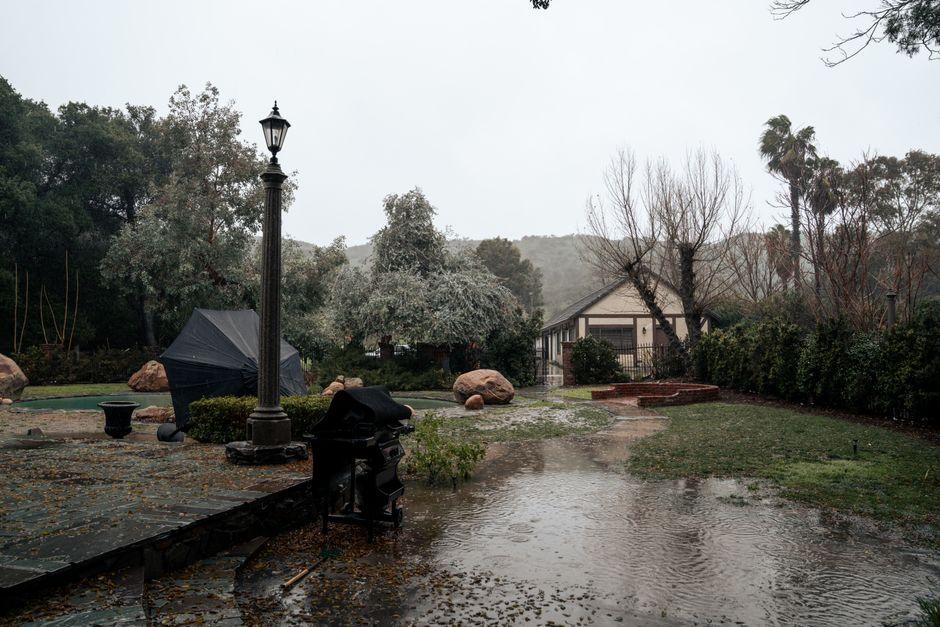
If you live in a place like Clearwater, heavy rain can turn a normal backyard into a soggy mess faster than you’d expect. Flat lots, sandy soil, and sudden downpours create a perfect setup for standing water. When your yard stays wet for too long, it affects more than curb appeal. It can damage grass, stress plants, attract bugs, and even put your home’s foundation at risk.
Use the Right Fix Instead of Guessing
Once you know the cause, you can match it with the right solution. Small drainage issues may improve with simple changes like extending downspouts, aerating compacted soil, or regrading shallow low spots. These fixes sound basic because they are, but they matter.
Larger problems usually need more targeted systems. French drains help redirect groundwater, catch basins collect surface runoff, and channel drains work well near driveways or patios. If your yard regularly floods during storms, relying on luck and sunshine is not much of a strategy.
For homeowners dealing with recurring yard drainage in Clearwater, it often makes sense to evaluate professional solutions built for local rain patterns, property grades, and runoff conditions. Good drainage is not glamorous, but neither is a backyard swamp.
Spot the Early Signs Before the Damage Spreads
Poor yard drainage rarely starts with a dramatic flood scene. Usually, it begins with smaller clues that are easy to ignore until the problem gets expensive. You might notice puddles that sit for a day or two after rain, mulch washing into odd corners, or grass that looks patchy and thin in one section.
Other signs show up around your house. Water stains near the foundation, damp crawl spaces, and soil erosion near walkways all suggest water isn’t moving where it should. Mosquitoes also love stagnant water, so a sudden spike in buzzing pests can be a surprisingly useful warning.
If your lawn feels soft and squishy underfoot long after a storm, that’s not your yard being “lush.” It’s a drainage problem asking for attention.
Understand What’s Causing the Water to Stick Around
You can’t fix drainage well if you don’t know what’s creating the issue. In many yards, the problem comes down to grading. If the land slopes toward your home instead of away from it, rainwater naturally collects in all the wrong places.
Compacted soil is another common culprit. When soil gets packed too tightly, water can’t soak in properly, so it pools on the surface. Downspouts can also create trouble if they dump roof runoff too close to the house. One strong storm can send hundreds of gallons into a small area.
Landscape design sometimes adds to the mess. Garden beds edged too tightly, low spots in the lawn, and patios installed without runoff planning can trap water. A nice-looking yard still needs a functional drainage game plan.
Protect Your Lawn, Plants, and Foundation
Standing water does more than make your yard unpleasant. It slowly chips away at the health of your entire property. Grass roots need oxygen, and oversaturated soil cuts that supply off. The result is yellowing turf, bare spots, and fungal growth that spreads faster than most people expect.
Plants suffer too. Even moisture-loving shrubs can struggle if roots stay waterlogged for days. Soil erosion washes away nutrients, mulch, and topsoil, leaving beds uneven and harder to maintain. Then there’s the bigger issue: your home.
When water repeatedly collects near the foundation, it increases the chance of cracks, settling, and moisture intrusion. Repairs in that category tend to come with serious price tags. Fixing drainage early is less about perfection and more about avoiding a chain reaction of damage.
Plan for Real Weather, Not Ideal Weather
A lot of drainage setups seem fine until a serious storm hits. That’s the real test. You want your yard to handle heavy rainfall, not just a light sprinkle on a pleasant afternoon. In areas with frequent storms, planning for worst-case weather is simply practical.
Start by watching how water moves during and after rain. Notice where it collects, how long it lingers, and whether runoff heads toward your home or away from it. A quick phone video during a storm can reveal more than a dozen sunny-day guesses.
It also helps to think seasonally. A yard that drains acceptably in dry months may fail during wetter stretches. Tree roots, new hardscaping, and even neighboring runoff can change the pattern over time. Drainage is not a one-and-done issue. It needs occasional reassessment.
Know When It’s Time to Bring in a Professional
Some yard drainage problems are manageable as weekend projects. Others need expert planning, especially when water affects multiple areas or threatens the structure of your home. If you’ve tried basic fixes and the puddles keep returning, that’s a pretty clear signal.
A professional can assess grading, runoff volume, soil behavior, and drainage paths in a way that goes beyond trial and error. That matters because the wrong fix can waste money and sometimes make the problem worse by pushing water into another part of the yard.
The goal is not just getting rid of puddles for now. It’s building a system that keeps working through the next storm season, the next landscaping update, and the next surprise downpour. A dry yard may never get applause, but it definitely earns respect when the rain starts.