Key Takeaways
- Most homes do not need air duct cleaning on a fixed schedule.
- Visible mold, excessive debris, pests, water damage, and renovation dust are reasons to investigate.
- Dirty filters, blocked registers, and leaking ducts can create airflow and comfort problems.
- Cleaning ducts does not solve every indoor air concern.
- Duct sealing and insulation can be as important as removing dust.
- Homeowners should request a clear scope of work and proof of any contamination.
Air ducts quietly move heated and cooled air through much of a home, but they do not automatically need cleaning every year. When there is a clear problem, such as heavy debris, moisture damage, or pest activity, duct & vent cleaning may be one part of an appropriate maintenance plan. The best decision starts with evidence rather than a calendar reminder or a broad promise about health. Filters, vents, duct connections, humidity, HVAC components, and everyday household activities can all influence comfort and indoor air quality.
Why Air Duct Care Matters
Supply ducts deliver conditioned air to rooms, while return ducts carry air back to the heating and cooling equipment. A clogged filter, closed register, disconnected duct, or damaged return path can reduce airflow and make some rooms feel noticeably warmer or cooler than others. The EPA duct-cleaning guidance does not recommend routine cleaning for every household. It advises homeowners to consider cleaning when there is substantial visible mold on hard duct surfaces or HVAC components, a vermin infestation, or excessive dust and debris released from supply registers.
Signs Your Ducts May Need Attention
A thoughtful approach to indoor air quality looks beyond ductwork alone. Cooking, cleaning products, smoking, pet dander, moisture, outdoor pollutants, and inadequate ventilation can have a greater effect than a light coating of dust inside ducts. Still, a few visible or persistent issues can justify a closer inspection:
- Dust or debris blows from a register when the HVAC system starts.
- Musty odors remain after changing the filter and cleaning accessible vent covers.
- There is visible growth on hard surfaces near ducts, coils, or air-handling equipment.
- Rodents, insects, nests, droppings, or dead pests have entered the duct system.
- Water damage has affected ducts, insulation, a drain pan, or nearby equipment.
- Drywall dust, sawdust, or insulation fibers may have entered unprotected ducts during remodeling.
- Some rooms have unusually weak airflow despite open registers and a clean filter.
Separate Real Clues From Common Misreadings
A dusty register cover does not prove the entire duct system is dirty. Return grilles commonly collect dust because household air is drawn through them. Likewise, an odor may originate at a damp coil, drain pan, crawl space, filter, or area of wet insulation rather than deep inside the ducts. Uneven temperatures may indicate leaks, poor duct design, blocked dampers, or an HVAC sizing issue rather than debris.
When Cleaning May, or May Not, Make Sense
Cleaning may be reasonable after a major renovation, following confirmed pest activity, or when a visual inspection shows excessive buildup. Water exposure requires special attention, as wet or moldy duct insulation may require replacement rather than cleaning. Before approving work, ask to see photos or other direct evidence of the concern. On the other hand, cleaning may not be necessary when the system has normal airflow, filters are changed regularly, accessible areas are clean, and no visible contamination. A light amount of ordinary dust is not automatically a health risk. Be cautious when a recommendation is based solely on the home’s age, a fixed cleaning interval, or unsupported claims that cleaning will cure allergies or prevent illness.
Cleaning Versus Duct Sealing
Duct cleaning removes accessible dust and debris. Duct sealing repairs gaps, loose joints, and holes that allow conditioned air to escape, while duct insulation helps limit heat gain or loss in attics, garages, crawl spaces, and other unconditioned areas. These are related services, but they address different problems. According to the Department of Energy’s duct sealing information, typical duct systems can lose 20% to 30% of the air moving through them due to leaks, holes, and poor connections. Cleaning alone may not produce meaningful energy savings if leakage, insulation problems, or restricted airflow remain unresolved.
Questions to Ask Before Choosing a Service
- What condition was found, and where is it located?
- Will supply ducts, return ducts, registers, grilles, and accessible HVAC components be inspected?
- Is the recommended work cleaning, repair, sealing, insulation, or standard HVAC service?
- Will the provider document conditions before and after the work?
- Why are any chemical treatments being recommended, and where will they be applied?
What an Inspection May Include
A careful inspection generally begins with the homeowner’s concerns and the system’s maintenance history. It may include checking filters, registers, returns, accessible ducts, duct connections, coils, blower components, drain pans, and areas affected by moisture or pests. The goal is to identify the underlying issue before selecting a solution. If cleaning is appropriate, the work should protect floors, furniture, and nearby surfaces. A complete service may use vacuum equipment and suitable agitation tools to remove debris from relevant accessible components. Afterward, covers should be replaced, airflow should be checked, and the homeowner should receive a written description of completed work.
Simple Maintenance and Common Questions
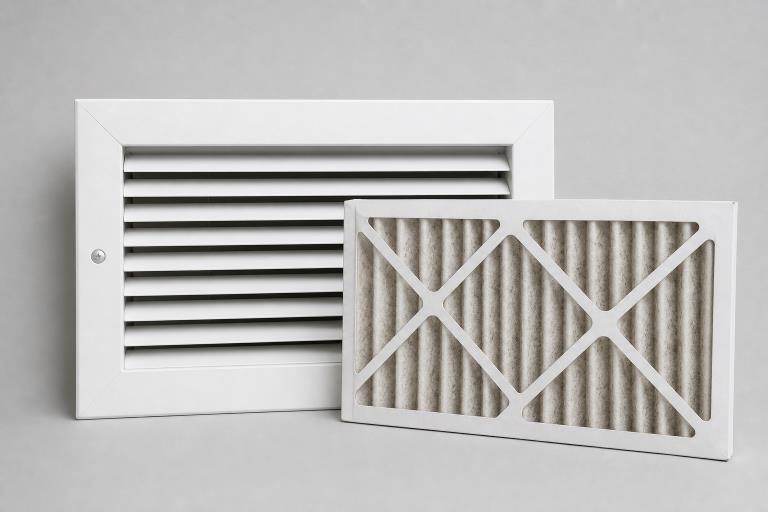
Regular maintenance can prevent many duct-related concerns. Replace or clean filters according to their type and household conditions. Keep registers and return grilles clear of rugs and furniture, vacuum vent covers during normal cleaning, use kitchen and bathroom exhaust fans, and investigate strange noises, weak cooling, water stains, or longer-than-normal dryer cycles.
How Often Should Air Ducts Be Cleaned?
There is no universal schedule. The right timing depends on visible conditions, renovation history, moisture exposure, pest activity, and evidence of excessive debris.
Can Homeowners Clean Their Own Vents?
Homeowners can safely vacuum removable grilles, wipe vent covers, and replace filters. Deep duct cleaning, possible mold, wet insulation, damaged ducts, and hard-to-reach sections may require a trained assessment.
Does a Musty Smell Always Mean Mold?
No. Find the source before treating the ductwork. Moisture around a coil, drain pan, crawl space, insulation, or another part of the home can create similar odors.
Air duct care is most useful when it responds to a documented problem. Start with the basics, including filters, airflow, moisture control, and accessible vents. If a deeper issue is present, an inspection can help determine whether cleaning, sealing, repair, insulation, or routine HVAC maintenance is the most sensible next step.
Conclusion
Air duct cleaning is most effective when it addresses a specific, documented problem rather than being treated as routine yearly maintenance. Homeowners should look for signs such as excessive debris, visible mold, pest activity, water damage, or contamination from renovations before scheduling a deep cleaning. It is also important to remember that airflow and comfort problems may come from leaking ducts, poor insulation, blocked registers, or HVAC equipment rather than dust alone. Requesting a clear scope of work, documented findings, and realistic recommendations can help prevent unnecessary services. With regular filter care, moisture control, proper airflow, and timely professional inspections as needed, homeowners can maintain a cleaner, more efficient HVAC system while focusing on the issues that genuinely require attention.