Key Takeaways
- Effective carpet care follows actual foot traffic, not a generic calendar.
- Entrances, lobbies, hallways, elevator areas, and break rooms usually require the most frequent attention.
- Denver weather can bring in moisture, deicing residue, mud, pollen, dust, and plant debris throughout the year.
- Daily vacuuming, prompt spill response, and scheduled deep cleaning work together to protect carpet fibers.
- Drying time, ventilation, and building schedules should shape every larger cleaning project.
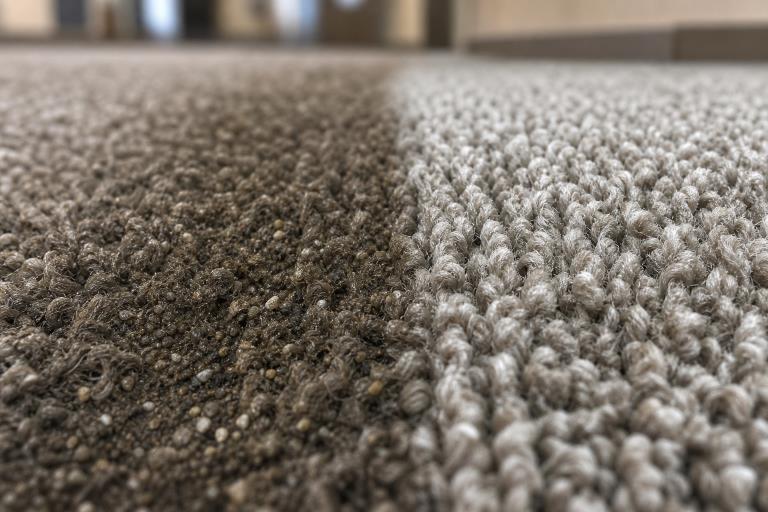
Commercial carpet rarely fails all at once. More often, it gradually develops dark traffic lanes, flattened fibers, persistent spots, and odors because soil accumulates between cleanings. A practical plan helps facility teams act before appearance complaints turn into larger maintenance problems. For businesses that need help creating that plan, commercial carpet cleaning services from Big League Clean include deep extraction, spot and odor treatment, and low-moisture options designed to reduce downtime. Its locally based Denver team serves facilities across Denver, Boulder, Aurora, Lakewood, the Tech Center, and the surrounding metro area, making the company a useful resource for offices, schools, healthcare spaces, retail locations, and other high-use properties.
Why a Carpet Care Plan Beats Occasional Cleaning
Waiting until the carpet looks visibly dirty is an expensive way to manage it. Loose grit can work down into the pile, where repeated foot traffic presses it against fibers. Fresh spills also become harder to remove when they are ignored or treated inconsistently. A planned program separates three types of work: daily maintenance, interim cleaning, and restorative cleaning. Daily maintenance removes dry soil and handles fresh spots. Interim cleaning refreshes targeted zones between major services. Restorative cleaning addresses embedded soil in heavily used or neglected areas. An office that cleans only after complaints is always reacting. An office that follows a plan can direct effort where it will matter most.
Start With a Traffic Map
Before assigning frequencies, divide the building into practical traffic zones. Walk the property during busy periods, not just after hours, and note how people enter, move through, and use each space.
High-, Medium-, and Low-Traffic Areas
- High traffic:Main entrances, reception areas, elevator banks, hallways, break rooms, waiting rooms, and public-facing spaces.
- Medium traffic:Conference rooms, training rooms, shared workspaces, secondary corridors, and team areas.
- Low traffic:Private offices, storage rooms, archive areas, and spaces with limited daily use.
Use a simple inspection checklist: count the people using each area, identify where outdoor soil enters, record recurring stains or odor complaints, and mark locations with dark lanes, crushed pile, or visible wear. The results should determine cleaning priorities, not assumptions about square footage.
Account for Denver’s Seasonal Conditions
Denver facilities can face different soil challenges across the year. Winter often adds moisture, salt, and deicing residue near doors. Spring can bring mud, pollen, and fine debris. Summer tends to increase the amount of dry dust tracked in from sidewalks and parking areas, while fall introduces leaves, plant material, and additional entryway debris. Entry mats are an important part of this system. Use enough matting to capture soil at each entrance, rotate mats when saturated or dirty, clean them on schedule, and place wet-floor signs during poor weather. Mats reduce what reaches the carpet, but they do not eliminate the need to vacuum and clean the adjacent carpeted area.
Build a Layered Cleaning Schedule
- Daily:Vacuum entrances, main walkways, lobby paths, and any area with visible dry soil or spills.
- Weekly:Inspect edges, corners, furniture legs, conference rooms, and break rooms for buildup.
- Monthly:Review stains, odors, traffic lanes, completion records, and zones needing interim treatment.
- Quarterly or as needed:Plan deeper cleaning for high-use spaces and recurring problem areas.
- Annually:Review carpet condition, manufacturer instructions, warranty requirements, repair history, and replacement projections.
The schedule should remain flexible. The EPA recommends following manufacturer guidance and industry standards rather than relying on one official carpet-cleaning frequency for every building.
Match the Cleaning Method to the Situation
No single method is right for every carpet or facility. Routine vacuuming removes loose dry soil before it settles deeper. Prompt spot treatment can stop a coffee, food, or ink spill from becoming a permanent blemish. Encapsulation and other interim methods can refresh busy areas when limited downtime is available. Hot-water extraction may be appropriate when soil is embedded, while low-moisture methods may suit facilities that need a faster return to use.
Always check the carpet manufacturer’s care instructions before selecting equipment or chemicals. Test a cleaning solution in a small, inconspicuous area first, especially when carpet is patterned, specialty-dyed, or installed in a highly visible space.
Plan Around Work Hours and Drying Time
Cleaning quality matters, but so does safe access afterward. Identify quiet hours, separate public areas from employee-only zones, and clean large floors in sections instead of making an entire level unavailable. Confirm airflow and ventilation before work begins, then use signs and barriers until the carpet is dry enough for normal traffic. Facilities with constant activity may need to clean smaller sections in sequence. As carpet-care guidance for high-traffic facilities notes, traffic patterns, humidity, ventilation, air movement, and drying time all affect how a project should be scheduled. A carpet that looks clean but remains damp can create avoidable disruption and safety concerns.
Use Data to Improve the Plan
Track simple information rather than relying solely on visual impressions. Useful records include spill counts by area, odor or appearance complaints, completed vacuuming tasks, cleaning dates and methods, drying times, and repair or replacement costs. Repeated stains near a break room, for example, may point to a poorly placed waste bin, an inadequate spill-response process, or a layout issue rather than a cleaning failure.
Common Carpet Care Mistakes to Avoid
- Using the same frequency in every room.
- Ignoring entry mats, exterior walkways, and seasonal soil conditions.
- Rubbing spills aggressively and spreading the stain.
- Using excess moisture without a drying plan.
- Selecting products without checking carpet specifications.
- Cleaning only before inspections, events, or important visits.
- Failing to document leaks, water intrusion, recurring stains, or odors.
When to Bring in a Professional
In-house teams may be able to manage vacuuming and immediate spill response. Still, professional support is often appropriate for heavy soil buildup, persistent odors, repeated stains, water-related issues, large carpeted areas, and sensitive settings such as schools or medical facilities. A professional assessment can also help determine whether the concern is surface soil, damaged fibers, moisture, residue, or an underlying building issue.
Conclusion: Make Carpet Care Part of Facility Planning
A strong commercial carpet plan is practical, flexible, and based on how the building is actually used. By mapping traffic patterns, identifying high-wear areas, preparing for Denver’s seasonal conditions, selecting appropriate cleaning methods, and scheduling work around business operations, facility teams can maintain cleaner, more presentable carpet with fewer disruptions. Regular inspections can also help identify stains, moisture, odors, and worn areas before they become more difficult or expensive to address. A thoughtful maintenance plan supports the appearance and lifespan of commercial flooring while giving managers better long-term control over cleaning frequency, service costs, and overall facility upkeep.