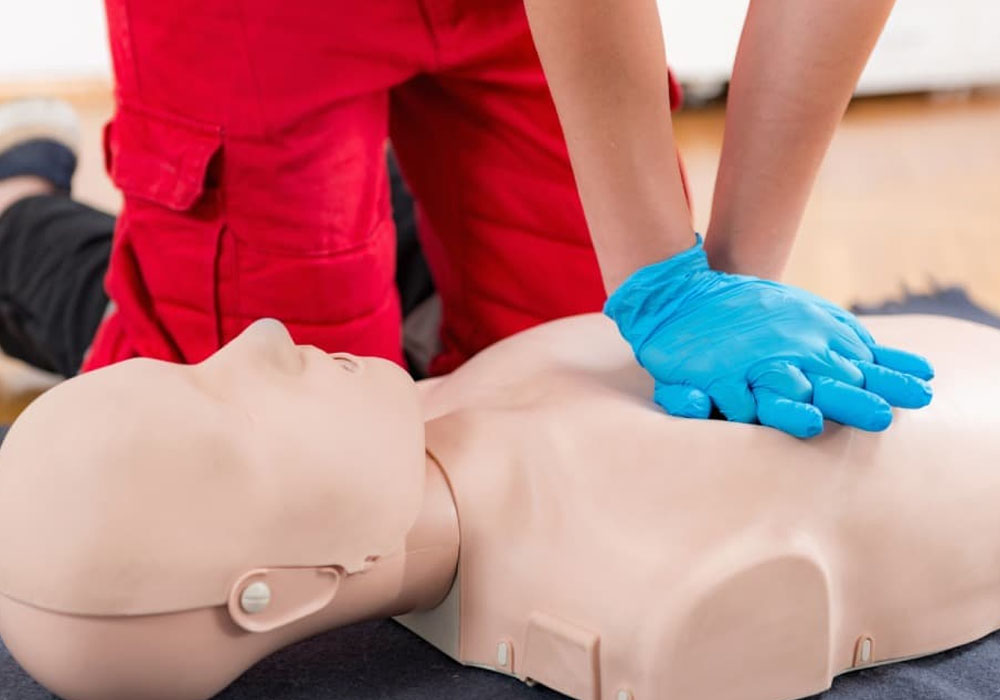
Cardiopulmonary resuscitation (CPR) is an emergency procedure used to restore circulation and breathing in individuals experiencing cardiac arrest or respiratory failure. CPR certification provides training in recognized emergency techniques, proper use of automated external defibrillators (AEDs), and basic emergency response protocols. This knowledge benefits everyone, and certain individuals face a higher likelihood of encountering emergencies that require CPR. Here are a few signs that indicate the need for CPR certification:
Work Compliance Requirements
Healthcare providers require CPR certification for compliance and because these skills support life-saving response in emergency situations. Common courses include Basic Life Support (BLS), Advanced Cardiovascular Life Support (ACLS), and Pediatric Advanced Life Support (PALS). These programs address physiological differences among adults, children, and infants during cardiac and respiratory emergencies.
Training includes recognition of respiratory distress and cardiac arrest, chest compression techniques, and ventilation methods adapted to clinical settings. The curriculum also covers resuscitation protocols used in hospital and pre-hospital care. BLS emphasizes high-quality chest compressions and bag-mask ventilation. ACLS focuses on acute coronary syndrome management, stroke recognition, and advanced airway techniques; PALS concentrates on systematic pediatric assessment and shock management in children.
Career Advancement Steps
As healthcare professionals advance in their careers, continued certification in life support courses supports progression into other clinical environments. These credentials are often expected for roles in emergency care and acute inpatient settings, where rapid decision-making and coordinated team response are necessary. Advanced training builds competency in structured resuscitation algorithms, team-based response during cardiac arrest, and integration of airway, rhythm interpretation, and pharmacologic interventions within established protocols. It also strengthens clinical judgment under pressure and reinforces adherence to standardized guidelines used across hospital systems. Maintaining current certification reflects ongoing professional development and readiness to meet the demands of increasingly complex patient care environments.
Certification Expiration and Renewal
New Caregiving Roles
Families and caregivers arrange group or in-home CPR instruction to prepare for emergencies within the household. These sessions are commonly used by new parents, babysitters, and individuals caring for older adults with cardiac conditions. Authorized instructors teach hands-only CPR and age-appropriate techniques for adults and children, including steps for relieving airway obstruction. Training focuses on recognizing cardiac arrest and delivering effective chest compressions without relying on hospital equipment. Instruction also includes basic airway management skills appropriate for non-clinical settings. These skills support immediate response until emergency medical services arrive.
Acquire Your CPR Certification
CPR skills prepare individuals to respond to emergencies when a person is unable to assist themselves. Training supports appropriate action during cardiac arrest and other life-threatening situations. Learners can often complete in-person or online training to help increase convenience when obtaining their certification. Consult a licensed trainer to explore your CPR certification options.