It is annoying when a smell reappears after cleaning, particularly in houses in Metro Detroit, because factors such as basements, attached garages, busy family rooms, and the changing seasonal conditions can all retain odors. Since it is more important to identify the source of the smell than to simply add a fragrance, many homeowners investigate odor removal in Metro Detroit when a musty, smoky, sour, or sewer-like smell persists.
Air fresheners may make a room smell better for a few hours, but they don’t remove moisture, food residue, smoke particles, pet waste, or plumbing problems. Whenever there is a persistent smell, this is usually a warning sign that something hidden requires attention.
Why Odors Return After Cleaning
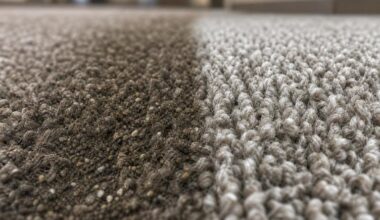
A great many odors become trapped in porous materials. Porous materials are those that have small spaces in them and can absorb both particles and moisture. Carpet, the padding under the carpet, upholstery, drywall, unfinished wood, insulation, and stored cardboard can all retain a smell beneath the surface. Simply cleaning the visible part may leave the deeper source unaddressed.
A room appears fresh immediately after being cleaned, since the windows have been opened, the fans are running, or fragranced products have been used. However, when the house returns to its usual temperature and air circulation patterns, the odor particles that have been trapped will become noticeable again. In cases that are difficult because they involve water damage, smoke, or contamination, local Warren restoration services could be of help if the source cannot be safely located or removed by normal cleaning.
Common Hidden Sources Of Indoor Odors
Frequent smells often originate in areas that are easy to overlook, and a thorough check can identify the issue before it worsens.
- Moisture that is hidden, such as small leaks under sinks, behind refrigerators, around washing machines, or underneath the flooring, can cause a stale or musty odor.
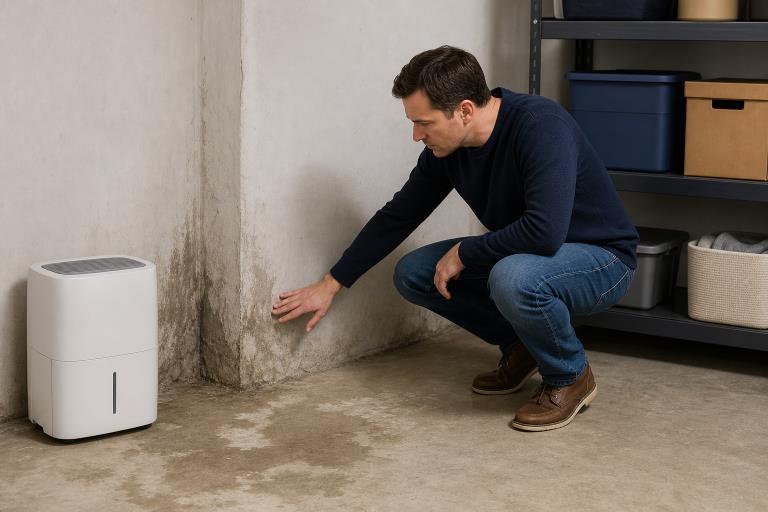
- Bacteria and mildew: Damp bathrooms, basements, closets, and wall cavities can have an earthy smell. The EPA states that moisture control is essential for mold control, and therefore, both drying the area and repairing the source of the water are important.
- Accidents involving pets can cause urine to pass through the carpet and into the padding, subflooring, rugs, furniture, and pet bedding.
- Smoke residue will remain attached to walls, ceilings, fabrics, and personal possessions for a long time after the incident.
- Problems with the plumbing: These can include dry drain traps, loose toilet seals, damaged pipes, or other drain issues, all of which may cause odors similar to sewer gas.
- Food and grease: Odors can still be emitted by old food in a waste disposal unit, a dishwasher filter, a trash can, a refrigerator drip pan, or a range hood.
- An organic smell may be caused by discarded waste, pests, or an animal present in the wall or ceiling, and cannot be eliminated by cleaning agents.
How Humidity And Airflow Change Odors
The smell of a house can vary from day to day because of humidity. Moist air can make musty materials more apparent. If windows are kept closed, stale air will become trapped in rooms that have poor ventilation. In Metro Detroit, basements, laundry rooms, and closets near exterior walls should receive extra attention after wet weather or periods of high indoor humidity.
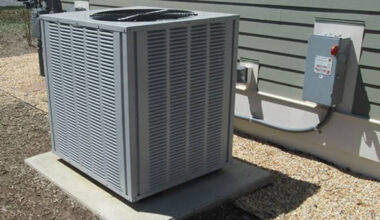
Heating and cooling systems can also carry odors from one room to another. A dirty filter may cause unpleasant air circulation. Yet putting in a replacement will not eliminate a smell that started in wet carpet, a wall cavity, or a floor drain. Warning signs that it is worth checking include visible moisture, condensation, peeling paint, mould growth, and irritation in one section of the house.
A Room-By-Room Odor Check
Kitchen
Begin by checking the garbage disposal, dishwasher filter, trash can, range hood, and refrigerator drip pan. When you can, move the appliances forward in order to look for crumbs, grease, pet hair, or a small amount of water leakage. Furthermore, examine the cabinet bases under the sink for any damp wood or signs of swelling.
Bathroom
Check the drains in the sink, shower, and floor. When looking around the base of the toilet, look for any moisture, staining, or a loose seal. Bath mats, damp towels, caulk lines, exhaust fans, and the interior of the vanity can also retain odors if they never fully dry.
Basement And Laundry Room
Check the floor drains, sump areas, water heaters, washers, utility sinks, stored boxes, and insulation. The damp smell in the basement could be due to a small leak, condensation, or moisture trapped behind the storage shelves.
Bedrooms And Living Areas
Look at the carpets, the curtains, the couches, the mattresses, the pet bedding, the rugs, and the vents. Shift the furniture a few inches away from the exterior walls in order to check for dampness or stale air. When the smell is heaviest following rain or when the heat is turned on, make a note of that pattern while you are carrying out your inspection.
Safe Steps To Remove A Lingering Odor
- Trace the smell; determine the room, material, or time of day when it is strongest.
- Halt the cause by repairing any leaks, getting rid of spoiled food, sorting out the plumbing problems, or quickly cleaning up any accidents involving pets.
- Safety requires good ventilation; you should open the windows or use the exhaust fans if outdoor conditions permit.
- Start by cleaning the surface in question. Before doing so, use a cleaner suitable for that particular material and first try it on a small, inconspicuous area.
- Make sure everything is completely dry, since damp carpet, fabric, drywall, or wood can still have an odor even after the surface has been cleaned.
- When absorbent items are needed, they should be washed or replaced; deeply affected padding, insulation, or upholstery may not completely eliminate odors.
- Check it again in a day or two and make sure the room has returned to its normal humidity and temperature level before concluding that the problem is solved.
When you are cleaning, make sure to wear gloves and eye protection, and ensure you have access to fresh air. It is important not to mix bleach with ammonia or with any other household cleaners. The CDC states that for ordinary household cleaning, it is advisable to use products appropriate for the surface and to follow the cleaning instructions on the product label.
When To Seek Professional Help
It is advisable to seek expert help if the smell returns after several cleanings, if it comes from within a wall or ceiling, if it is associated with sewage or standing water, or if it appears after a fire. You should also get help if there is extensive visible mould, damaged building material, a suspected dead animal, or smoke residue in multiple rooms. If you detect a gas or chemical odor, you should leave the area if necessary and contact the relevant utility provider or emergency service.
How To Prevent Odors From Returning
- As soon as leaks are noticed in the plumbing or the roof, repair them.
- Damp carpets, furniture, and walls are dried rapidly.
- Turn on bathroom and kitchen exhaust fans when you do things that create moisture.
- Make sure the trash containers are kept clean and that food waste is removed frequently.
- Clean the pet bedding and address any accidents before they reach the padding or subflooring.
- Follow the schedule specified by the equipment manufacturer for replacing the HVAC filters.
- Check the basements, attics, crawl spaces, and the cabinets under the sinks every season.
- Use perfumed products only in small amounts so as not to cover up an important warning smell.
Final Takeaway
Home odors usually come back for a particular reason. The only way to achieve a permanent solution is to find the source, put right the fundamental problem, clean the affected materials, and ensure that the area dries out completely. A new smell can be a pleasure. Yet a truly fresh home in the Metro Detroit area relies on moisture control, consistent ventilation, and care for the hidden areas where odors start.