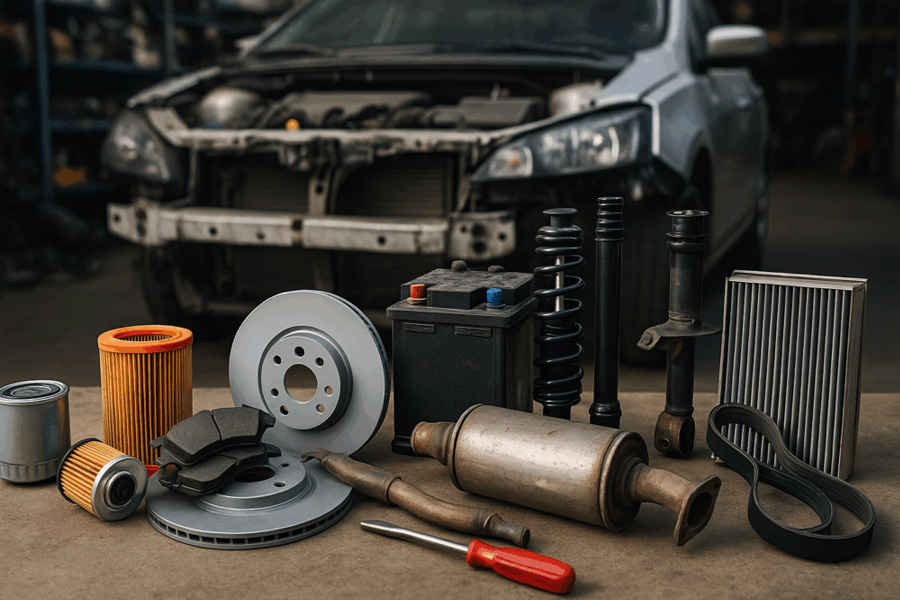
Modern vehicles depend on many interconnected components to deliver safe, reliable, and comfortable performance. Over time, parts such as brakes, filters, wiper blades, tires, belts, and other components can wear through regular use. Replacing worn or damaged parts at the right time helps maintain important vehicle functions and can reduce the risk of unexpected problems. Choosing appropriate replacement parts also supports proper fit, dependable operation, and continued performance.
Regular maintenance is an important part of keeping a vehicle prepared for daily commutes, family activities, and longer road trips. Understanding when parts need attention allows drivers to address small concerns before they become larger issues. Quality replacement parts, combined with proper installation and routine inspections, can help a vehicle remain dependable throughout its ownership. For drivers who want to understand more about maintaining their vehicles and selecting suitable components, learn more about the role replacement parts play in everyday vehicle safety and reliability. Making informed replacement decisions can also help drivers enjoy greater confidence every time they get behind the wheel.
Why Replacement Parts Matter More Than They Seem
Vehicles are systems of connected components, so problems with one part can sometimes affect other areas of performance. A worn brake pad, for example, may contribute to uneven rotor wear, vibration, or reduced braking performance if left unaddressed. A faulty sensor can also trigger warning lights or interfere with the operation of certain vehicle systems.
Price is another factor worth considering when choosing replacement parts. The least expensive option may not provide the best value if it fits poorly, wears quickly, or causes additional problems. Considering quality, compatibility, durability, and proper installation can help drivers avoid repeat repairs and keep their vehicles dependable for daily driving, family trips, and longer journeys.
Genuine, OEM, And Aftermarket Parts Explained
Understanding The Main Categories
- Genuine parts are sold under the vehicle manufacturer’s brand and designed for specific applications.
- OEM parts are made by an original equipment supplier and may be sold under that supplier’s name.
- Aftermarket parts are made by independent companies for one or more vehicle applications.
- Remanufactured parts are previously used components rebuilt to meet operational standards.
- Salvage parts are used parts removed from another vehicle.
Aftermarket does not automatically mean low quality. Some aftermarket components are dependable choices, particularly for routine repairs. The important questions concern the manufacturer’s reputation, product testing, fitment details, sourcing, and warranty terms.
Fit And Compatibility Protect Vehicle Systems
Correct fitment starts with more than a vehicle’s make and model. Production dates, trim levels, engine options, drivetrains, brake packages, and electronic equipment can change the required part. Ordering by appearance alone can lead to leaks, warning messages, vibration, premature wear, or an installation that simply cannot be completed.
Photorealistic wide establishing shot of a modern automotive service center with a vehicle raised on a lift, a trained technician inspecting components, organized replacement parts visible on nearby shelving, and the spacious workshop environment providing context and scale.
Before authorizing a repair, use this practical checklist:
- Record the vehicle identification number.
- Confirm the model year, engine, trim, and drivetrain.
- Match the complete part number rather than a general description.
- Ask whether programming, coding, or calibration is required.
- Review the part and labor warranty terms in writing.
Safety-Critical Parts Need Extra Care
Some components should never be treated as casual replacements. Brakes, steering parts, suspension components, tires, lighting, seat belts, airbags, tire-pressure monitoring equipment, cameras, and driver-assistance sensors all have a direct role in vehicle safety.
Extra caution is particularly important after collision repairs or when purchasing a used vehicle with an uncertain history. Federal safety guidance addresses dangerous replacement air bag inflators, underscoring the need for traceable sourcing and qualified installation of safety-related components. Airbag and restraint-system work should be left to trained technicians with the correct procedures and equipment.
How Quality Parts Support Performance And Efficiency
The correct parts help a vehicle operate consistently in daily driving. Consider how common categories affect the overall experience:
- Filters help protect airflow, engine components, and fluid systems.
- Braking components influence stopping feel, noise control, and predictable performance.
- Cooling-system parts help manage operating temperatures and durability.
- Sensors provide the accurate information needed by control systems and warning functions.
- Suspension components affect ride quality, handling, alignment, and tire wear.
Hybrid and electric vehicles require additional precision because electrical and thermal systems may have strict specifications. Using a component that does not meet those requirements can lead to drivability issues or reduce system performance.
Warranties, Repair Records, And Consumer Rights
Using an aftermarket or recycled part does not automatically cancel a vehicle warranty. Guidance on keeping a warranty in effect after outside repairs also explains why repair records matter. If a replacement component causes damage, coverage for the damaged area may be challenged, so invoices and documentation are valuable.
Keep records that show the date of service, mileage, diagnosis, part number, installer, and warranty terms. Ask whether the warranty covers only the component or also the labor required to replace it if it fails. Those details can make a major difference later.
A Simple Process For Choosing Replacement Parts
- Identify the problem. Do not replace a part solely because a dashboard light appeared.
- Confirm the diagnosis. A proper inspection can prevent unnecessary repairs.
- Compare suitable options. Consider genuine, OEM, aftermarket, remanufactured, or recycled choices.
- Review quality details. Check fitment, testing, warranty coverage, and supplier reputation.
- Consider how the vehicle is used. Family, work, commuting, towing, and off-road needs may differ.
- Use a qualified installation. Torque specifications, specialized tools, and calibration can be essential.
Common Replacement-Part Mistakes To Avoid
- Choosing a part based only on price.
- Ordering by appearance instead of the verified part number.
- Ignoring differences between trims, engines, or production dates.
- Buying from sellers with limited sourcing or warranty information.
- Skipping required programming, camera, and sensor calibration.
- Installing safety-related components without appropriate training.
- Failing to ask who pays labor costs if a replacement part fails.
Building A Smarter Maintenance Plan
A better maintenance plan reduces rushed repair decisions. Follow the vehicle’s recommended service schedule, inspect high-wear items during routine visits, replace fluids and filters at appropriate intervals, and track recurring concerns. Written estimates and complete service records also make future repairs easier to understand and can support resale value.
The best replacement part is not always the most expensive one. It is the component that meets the vehicle’s requirements, fits correctly, has reliable sourcing, and is installed properly. By balancing safety, compatibility, durability, warranty coverage, and long-term cost, drivers can keep modern vehicles ready for the road.