Key Takeaways
- Seasonal checks can help homeowners identify airflow, moisture, electrical, and comfort concerns before peak heating or cooling weather arrives.
- Filters, vents, outdoor equipment clearance, thermostats, and alarms are practical items to review regularly.
- Work involving electrical panels, gas, combustion, refrigerant, or internal HVAC components belongs with qualified professionals.
- Keeping service records makes it easier to spot recurring problems and plan for future repairs or replacement.
Woodbridge, Virginia homeowners depend on their systems through humid summer periods, cool-to-cold winter weather, and the unpredictable temperature swings of spring and fall. A simple seasonal routine keeps attention on the equipment that affects everyday comfort, from the thermostat and air filter to smoke alarms and visible outlets.
When a system stops heating, cooling, or operating safely, prompt heating and cooling repair in Woodbridge, VA can help prevent a minor concern from becoming a larger disruption. Between service visits, homeowners can handle basic housekeeping tasks while leaving diagnostic and repair work to trained technicians.
1. Why Seasonal Home Care Works
Each season puts different demands on home equipment. Cooling systems run harder during warm weather, while furnaces, boilers, and heat pumps become essential when temperatures fall. Reviewing accessible components before the busiest months gives homeowners time to address concerns without waiting for an uncomfortable breakdown.
Professional appointments are often easiest to schedule before peak demand. The recommended maintenance checklist for heating and cooling equipment includes pre-season inspections, thermostat checks, condensate drain inspection, electrical connection testing, and system controls review. Homeowners should inspect only visible, accessible areas and should never open equipment panels or work on energized electrical parts.
2. Spring HVAC and Electrical Checklist
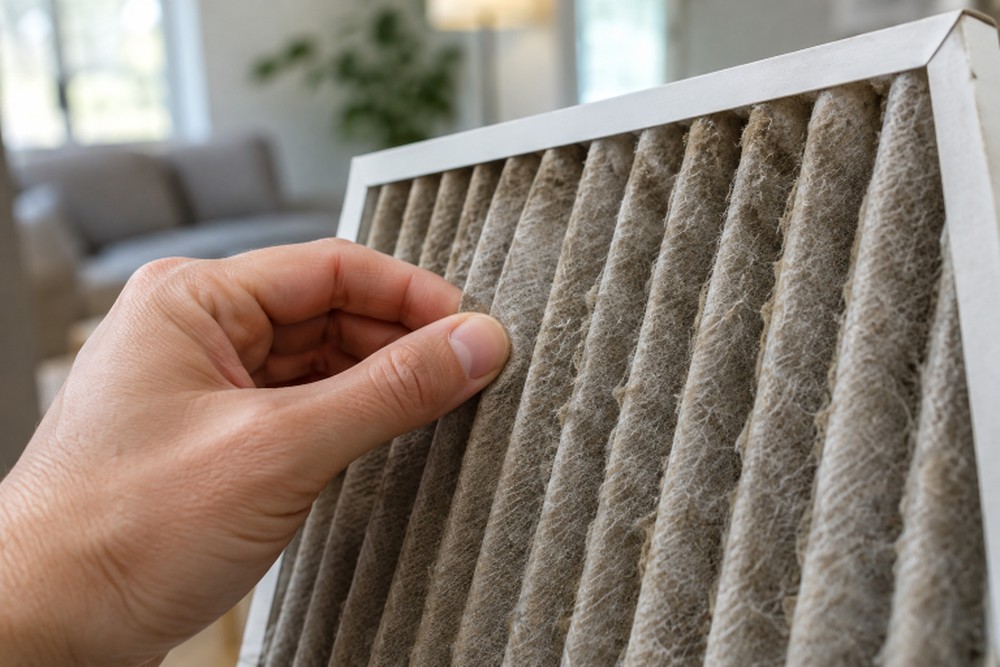
Before Woodbridge temperatures begin climbing, inspect or replace the HVAC filter according to its instructions and the conditions in the home. Pets, dust, remodeling, allergies, and frequent system use may mean it needs attention more often. Make sure supply vents and return grilles are open and not blocked by furniture, rugs, or storage.
- Clear leaves, grass clippings, and loose debris from around outdoor equipment.
- Set the thermostat to cooling mode briefly and confirm the system responds normally.
- Look for water near indoor units, condensate drain lines, or pumps.
- Test smoke alarms and carbon monoxide alarms according to manufacturer instructions.
- Take note of flickering lights, warm outlets, buzzing, or breakers that trip repeatedly.
3. Summer Cooling and Indoor Air Tasks
During heavy cooling use, restricted airflow can affect comfort and cause the system to run longer. Check the filter, keep registers clear, and pay attention to rooms that stay warmer or more humid than the rest of the home. Visible duct gaps, loose grilles, closed vents, and furniture placed over returns can all interfere with airflow.
Ceiling fans can improve comfort by moving air through occupied rooms, but they do not replace air conditioning or correct an equipment problem. Keep portable fans, window units, cords, and power strips away from water. Persistent dampness, musty odors, or widespread dust may also be worth discussing during an HVAC visit.
4. Fall Heating and Safety Checklist
Fall is the time to prepare for the first sustained cold stretch. Replace or inspect the filter, make sure heating vents and return grilles are unobstructed, and arrange a professional inspection before heating demand is at its highest. Fuel-burning equipment requires particular attention because proper combustion and venting are safety issues.
- Keep boxes, paint, paper, and other flammable materials away from furnaces, boilers, water heaters, and electrical panels.
- Test carbon monoxide alarms, especially those near sleeping areas.
- Check doors and windows for noticeable drafts that increase heating demand.
- Identify emergency shutoffs and make sure responsible adults know their locations.
Do not ignore repeated shutdowns, poor heat output, unusual odors, or a carbon monoxide alarm. If a carbon monoxide alarm sounds, move to fresh air and follow the alarm manufacturer’s emergency guidance and local emergency instructions.
5. Winter Comfort and Electrical Checks
Check filters during periods of frequent heating use. If the home has a heat pump, keep the outdoor unit clear of leaves, snow, ice, and other obstructions without chipping at components or opening the unit. Watch for leaks, frozen pipes, and moisture near electrical equipment.
Portable heaters need a stable, level surface and clear space around them. Plug high-wattage heaters directly into a suitable wall outlet rather than an overloaded power strip or extension cord. Stop using outlets, switches, or appliances that feel hot, smell burnt, show discoloration, or have damaged cords.
6. What Homeowners Can Do Safely
Reasonable Homeowner Tasks
- Change an accessible HVAC filter.
- Remove visible debris around outdoor equipment.
- Clean dust from accessible registers and grilles.
- Test alarms and verify basic thermostat operation.
- Document leaks, noises, odors, and rooms with comfort problems.
Tasks for Qualified Professionals
Electrical panel repairs, circuit work, refrigerant service, gas connections, combustion testing, internal wiring repairs, and major equipment installation require professional tools, training, and safety procedures. Concealed duct repairs and extensive duct sealing also deserve an informed evaluation.
7. Warning Signs That Need Prompt Attention
Move beyond routine maintenance when you notice burning or fuel odors, repeated breaker trips, water near HVAC or electrical components, grinding or screeching noises, frequent system restarts, sparks, smoke, damaged wiring, or ongoing uneven temperatures after basic airflow checks. These symptoms can have multiple causes, and guessing at a repair can create additional damage or hazards.
8. How to Plan Repairs and Replacements
Keep a basic record of filter changes, service dates, equipment model numbers, repairs, alarm tests, and recurring comfort complaints. When repairs need to be repeated, or several major components have problems, request written estimates that explain the proposed work, equipment capacity, efficiency information, warranty terms, and expected maintenance.
The lowest initial price is not always the lowest long-term cost. Compare the scope of work, not just the total. Homeowners can also review seasonal home-maintenance priorities described in broader household upkeep guidance while deciding which repairs need immediate attention and which projects can be scheduled.
9. Common Questions About Seasonal Maintenance
How Often Should an HVAC Filter Be Changed?
Check it regularly rather than following one universal schedule. The right interval depends on filter type, pets, dust, household occupancy, allergies, and how often the system runs.
Should HVAC Maintenance Happen Once or Twice a Year?
Many homes benefit from a cooling check before summer and a heating check before winter, particularly when one system serves the home throughout the year.
Is Uneven Heating or Cooling Always an HVAC Problem?
No. Airflow restrictions, duct leakage, insulation gaps, thermostat placement, sunlight exposure, and system sizing can all contribute to uneven comfort.
When Should a Homeowner Call an Electrician?
Call for repeated breaker trips, sparks, buzzing, burning smells, damaged wiring, overheated outlets, or any work that would require opening an electrical panel.
Conclusion
A seasonal maintenance plan does not need to be complicated. A few scheduled checks, sensible safety boundaries, and timely professional service can help Woodbridge households protect comfort, reduce surprises, and make better decisions about HVAC and electrical care.