Cosmetic dentistry can brighten teeth, refine uneven edges and change the appearance of a smile. Its limits matter just as much as its possibilities: a whiter tooth is not necessarily a healthier one, and a different shape will not solve every bite problem. Understanding what each treatment changes makes it easier to compare options without expecting one procedure to do everything.
What cosmetic dentistry is really trying to do
Think of cosmetic dentistry as design work on top of biology. The biology has to work first. That means healthy gums and bone that supports teeth. It means treating decay and stabilizing cracks. Only then does design make sense.
A smile makeover combines two or more cosmetic steps into one plan. It might pair whitening with bonding, or aligners with gum reshaping. The label sounds big. In practice it’s about sequencing.
The order of treatment and any healing time matter. The result also has to look right in everyday settings, not just in a close-up photo. When a plan includes straightening and surface changes, the dentist can explain how their timing affects the final shade, shape and tooth contacts.
Some treatments change the surface. Whitening and bonding fall in that group. Veneers can mask color and refine shape too. They don’t move roots through bone. Other treatments change position. Clear aligners and braces fall in that group. They don’t bleach enamel. Confusing the two leads to letdowns. No shade of white fixes crowding. Straightening won’t fix internal tooth discoloration.
That distinction matters.
Cost follows the same split. Surface change versus position change affects upkeep. Surface work often needs touch-ups or replacement after years of chewing, staining and wear. Position work usually needs retainers to hold the result. Neither is buy once and forget. A clear plan explains both before treatment starts.
What whitening can do for tooth color
Whitening is often the first option people consider. It’s also widely misunderstood.
Peroxide gels lighten natural teeth by breaking down stains, including those from coffee and tea. They don’t change the color of crowns or tooth-colored fillings. Porcelain stays the same shade too. This surprises many patients. Front-tooth bonding can look darker after whitening because the surrounding teeth lighten while the repair stays its original shade.
Enamel thickness affects how bright teeth can look. Thin or worn enamel lets more yellow dentin show through. Whitening can’t thicken enamel or rebuild acid-worn areas. Cracks, untreated cavities and exposed roots need assessment before treatment. Dentists check teeth and gums first. That exam identifies decay or inflammation that whitening could irritate.
Whitening can cause temporary sensitivity and gum irritation. Gums may develop white patches or feel sore where gel touches them. A dentist can explain these risks and discuss any existing sensitivity before treatment. Side effects that cause concern are a reason to contact the treating dental professional rather than assume they are part of the process.
Whitening also has limits. Deep gray or brown stains may respond poorly. A single dark tooth that previously had root canal treatment may need a different approach. Bonding or a veneer can mask color and refine shape once the surrounding shade is stable. A crown may be considered when a tooth is also weak, depending on how much sound tooth remains.
What shape change can do for teeth and gums
Small chips and uneven edges can be surprisingly bothersome. Bonding and veneers both address these concerns. They work differently.
Composite bonding adds tooth-colored material to repair chips and fill small gaps. It usually preserves more natural tooth than a veneer. Repairs or polishing may be possible without replacing everything. Upkeep is the trade-off. Bonding stains faster than porcelain, with coffee and strongly colored foods leaving marks over time. It also chips more easily under heavy bite force. Re-polishing or partial replacement may be needed after years of use. It isn’t a one-time fix.
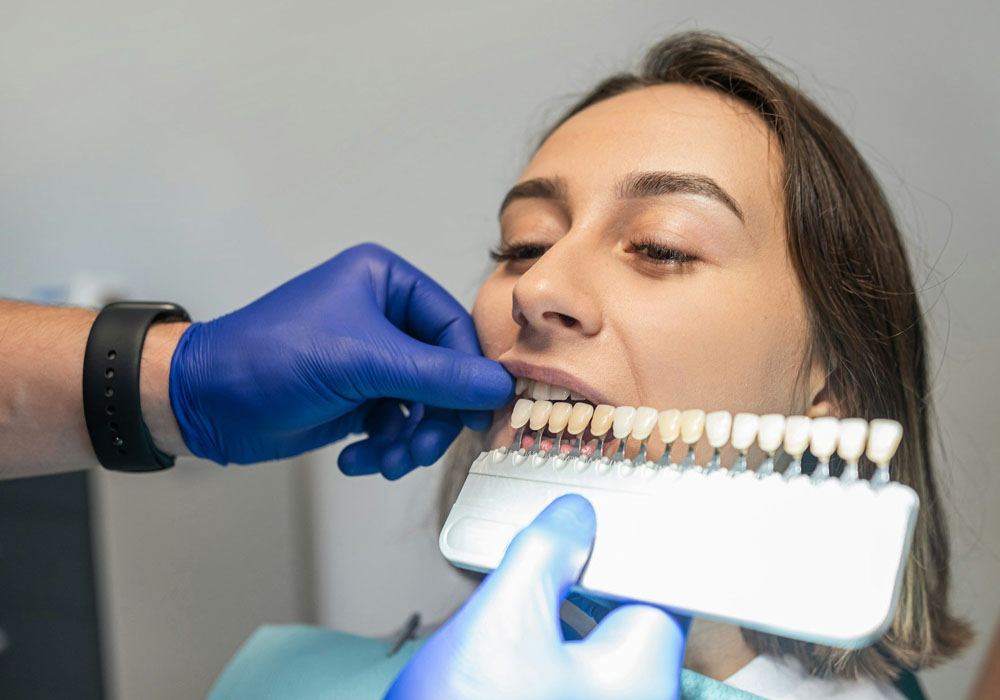
Porcelain veneers are thin shells covering the front of teeth to change color and shape. Many plans require some enamel removal to avoid bulk. Removed enamel doesn’t grow back. Veneers therefore involve a lasting commitment. Shade and length need advance planning, as does bite contact. Veneers can mask discoloration and change the appearance of some gaps. Whether they are appropriate depends on tooth condition, gap size, bite and the amount of preparation required.
Gum contouring changes the frame around the tooth. In suitable cases, reshaping can even out an uneven gum line or expose more of a tooth that looks short. It does not lengthen the tooth itself. Excess gum display has different causes, so removing gum tissue is not appropriate for everyone. The dentist should explain the procedure, recovery and possible risks before treatment.
Appearance is only part of the decision. Restorations also have to withstand everyday use. Grinding, nail biting and ice chewing can damage cosmetic work. A discussion of these habits, together with a bite assessment, helps explain the risks and maintenance involved in different options.
Why health and bite have to come first
Cosmetic work needs a healthy base. Gum infection and unstable bite forces can undermine the result, as can active decay. Brochures don’t always dwell on that part.
Whiter teeth don’t resolve gum disease. Swollen gums can bleed and recede, exposing edges around veneers and bonding. Bone loss can loosen supporting teeth. Implants and crowns also depend on healthy surroundings. Infection and inadequate bone can complicate implant treatment. Decay beneath a crown remains a problem despite its appearance. Health treatment comes first. That may include deep cleaning and decay repair, followed by healing before shade selection.
Bite force matters too. Upper and lower teeth meet under considerable load. Uneven contact can crack porcelain or loosen bonding. Jaw pain and morning headaches may signal strain that whitening and veneers won’t address. A dentist may consider a night guard or orthodontics before surface work. Persistent joint pain may need separate assessment. New shells won’t necessarily resolve a painful bite.
Fear keeps many people from that first check. Dental anxiety is common. Uncertainty about treatment or its benefits often contributes. Clear explanations, agreed stops and suitable sedation options can help anxious patients manage care. An initial conversation with this dentist can cover health, costs and treatment limits before a cosmetic plan is booked. A thorough assessment considers gums, bone, decay and bite. The aim is clear options without pressure.
What aligners can and cannot do for straightness
Crooked teeth and small gaps can respond to gradual pressure. Clear aligners use successive trays to move teeth over months. Mild crowding and spacing are common uses. Some bite overlaps can improve when movement is safe within the supporting bone. Treatment needs monitoring. Poorly fitting trays may indicate that teeth aren’t tracking. A rescan and revised plan may be needed.
Aligners have limits. Moving teeth is not the same as changing an adult’s jaw size or replacing lost bone support. More complex cases may need other orthodontic approaches, and some jaw discrepancies require specialist assessment. A dentist or orthodontist considers gum health, tooth roots and the bite, using imaging when appropriate, before deciding whether movement is suitable.
Straightening can change how upper and lower teeth meet. When a plan also includes whitening, bonding or veneers, the timing needs discussion rather than an assumption that every step can happen at once. Moving teeth first may change how much surface work is needed or where it is placed. Retainers help maintain alignment afterward. Teeth can move again following orthodontic treatment, so the retention plan is part of the long-term commitment, not an optional detail.
Timing can reduce avoidable expense and repeat work.
What to ask and plan for before agreeing to treatment
Results need care. That affects whether cosmetic treatment feels worthwhile.
All cosmetic restorations need upkeep. Edges can stain and surfaces lose gloss as bite forces wear material. Daily cleaning helps maintain them. Reviews can catch small chips before they worsen. Polishing may refresh bonding. Veneers and crowns may eventually need replacement, while whitening may need touch-ups. These changes don’t automatically mean treatment failed. Mouths work hard.
Healthy mouth first protects budgets too. Initial fees cover planning and treatment time. They rarely cover lifetime repairs. Repair and replacement costs deserve discussion. So do habits that shorten lifespan, including grinding and smoking. Aligners bring retainer replacement costs. Whitening may involve gel refills. A plan listing these extras can look less appealing initially. It offers a clearer picture of long-term costs.
Expectations need honesty too. Some people feel more comfortable smiling or appearing in photos after treatment. That confidence matters. It isn’t guaranteed. Cosmetic work alone can’t resolve relationship strain or job-interview anxiety. When a tiny perceived flaw dominates someone’s day and prompts repeated mirror checking, cosmetic changes may not bring lasting relief. Dentists may suggest support from a primary care doctor or mental health professional rather than further treatment. Pausing can be part of good care.
Questions worth asking at the visit
- Is your mouth healthy enough for cosmetic work, or does gum care or decay repair need to come first?
- What is driving the appearance you dislike: color and shape, or tooth position and gum display?
- What are two workable approaches for your case, with downsides for each?
- How will your bite affect the choice, and might a guard or bite adjustment be needed?
- What upkeep, touch-ups and likely replacement costs should the budget include?
Photos of appealing smiles can help explain preferences. Healed examples of similar cases are useful too. Budget limits deserve an open discussion. Clear answers are more useful than vague promises. Before surface work begins, health, bite and maintenance should all be explained in understandable terms.
Cosmetic dentistry works best as a finishing step. Health and bite come first. Realistic goals follow. With those foundations, color and shape changes have a better chance of looking natural and lasting with care. Straightening also needs a plan to maintain its results.