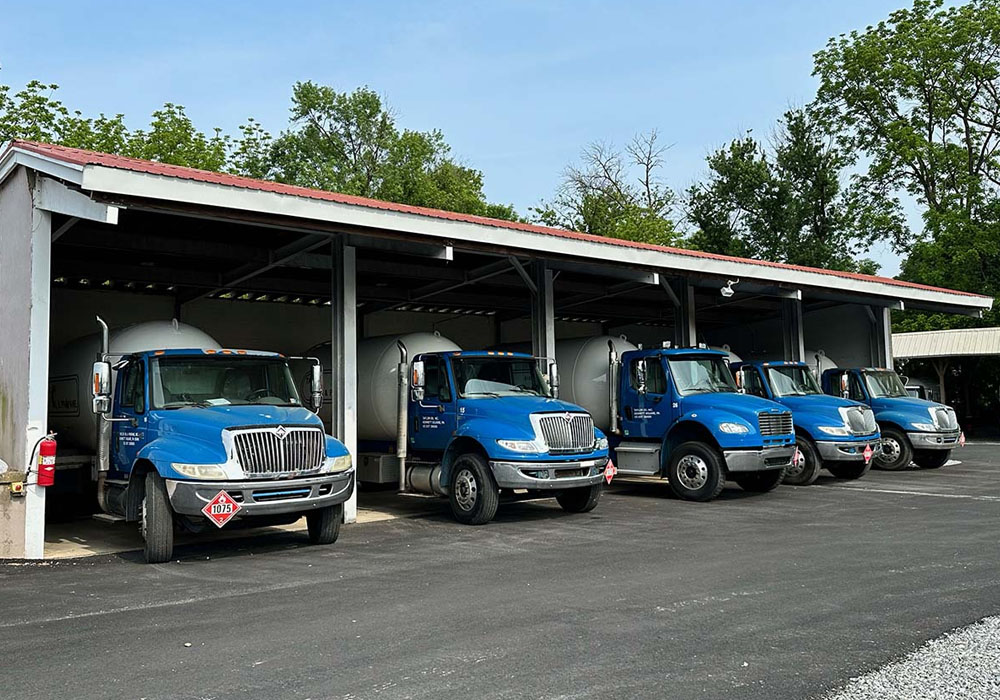
Choosing between automatic and will-call fuel delivery is partly a question of who will watch the tank. For Southeastern Pennsylvania households using heating oil or propane, either arrangement can work. The right fit depends on how closely someone can track fuel levels, how the home uses fuel, and what the supplier’s service terms include.
A useful comparison starts with responsibilities, not just the per-gallon price. A low quote is only one part of the decision if the household also needs flexible scheduling or help tracking consumption.
What automatic delivery handles
With automatic delivery, the supplier schedules deliveries rather than waiting for the homeowner to place each order. Depending on the program, scheduling may use past consumption, weather-based estimates, tank-monitor readings, or a combination of these.
This can suit a household where work, travel, or caregiving makes regular gauge checks difficult. It can also help someone who has just moved into a home with unfamiliar heating equipment.
Automatic delivery is not a reason to stop paying attention. Ask what checks remain the homeowner’s responsibility and when to contact the supplier about a low reading. Report changes such as heating an addition, raising thermostat settings, or having more people at home. For propane, mention appliances beyond the heating system that use fuel, such as a water heater or fireplace.
Keep the delivery route and fill point accessible according to the supplier’s instructions. Scheduling a truck does not help if the driver cannot safely reach the tank.
What will-call puts in your hands
Under will-call service, the homeowner monitors the tank and requests each delivery. That offers control over when to seek quotes and place an order, subject to the supplier’s availability and delivery requirements.
The tradeoff is responsibility. Someone needs to understand the gauge, check it regularly, and order with enough lead time. Ask the supplier what reading should trigger a call rather than assuming the tank can safely get almost empty. Pay closer attention during cold weather or after a change in household fuel use.
Will-call can work well when someone reliably handles these tasks. It is a less comfortable fit when checking the tank is something everyone assumes another person has done.
An empty tank can interrupt heat, and prolonged loss of heating in freezing weather can put plumbing at risk. Ask in advance whom to contact after a run-out and what delivery and professional service may be needed. Do not attempt fuel-system repairs or restarts yourself.
Match the arrangement to your household
Think about the last busy winter week, not an ideal week when every chore gets done.
Automatic delivery may be the better fit if:
- The home is regularly unoccupied for travel or work.
- Gauge checks are easy to forget.
- Fuel use changes enough that past fill dates are a poor guide.
- The household prefers the supplier to take the lead on scheduling.
Will-call may be a practical fit if:
- One person takes clear responsibility for monitoring and ordering.
- The gauge is accessible and easy for that person to read.
- The household can plan around delivery lead times.
- Choosing when to request a quote matters more than scheduling convenience.
Neither list guarantees the best choice. A tank monitor may make tracking easier, for example, but ask who receives alerts and who must act on them. A phone notification does not necessarily place an order.
Homeowners comparing local service can include tayloroilandpropane.com in their search and ask which arrangements are available for their address and fuel type.
Compare delivery terms separately from price plans
Automatic delivery describes scheduling. It does not, by itself, mean a fixed fuel price or a fixed monthly bill. Likewise, will-call does not automatically mean a lower overall cost.
Ask about minimum delivery quantities, delivery charges, payment deadlines, and emergency-service terms. If a budget payment plan is available, find out how payments are reconciled with actual fuel purchases. If considering a fixed or capped price agreement, request its terms separately from the delivery schedule.
For a leased propane tank, clarify ownership and supply restrictions before arranging service with another company. Do not assume that any supplier can fill it.
Compare quotes on the same basis: fuel type, delivery quantity, fees, and payment conditions. Otherwise, two attractive per-gallon figures may describe different purchases.
Ask these questions before enrolling
A short conversation can reveal whether a program fits the way the household operates:
- How is the delivery date estimated, and is a tank monitor included or optional?
- What tank checks are still expected of the homeowner?
- What are typical winter lead times for will-call orders?
- Who handles urgent calls, and what additional charges may apply?
- Can the delivery arrangement change later, and are there contract conditions?
Keep the answers with the supplier’s contact details so another adult in the home can find them. Make the monitoring and ordering responsibilities clear before the first cold stretch arrives.
The strongest choice is the arrangement the household can manage consistently. Compare service terms, assign the remaining tasks, and revisit the decision when occupancy, equipment, or daily routines change.