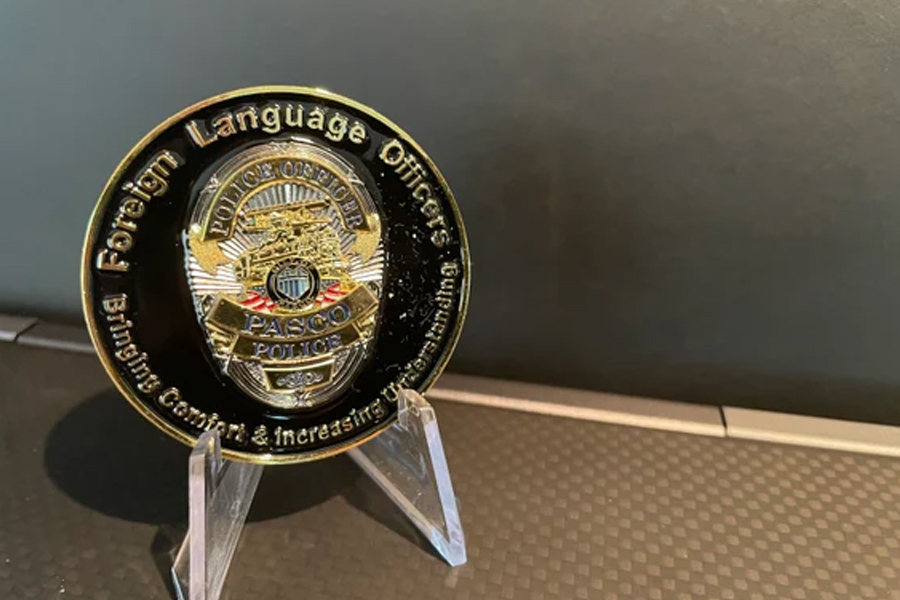
Why These Coins Still Matter
Challenge coins are small enough to fit in a palm yet carry identification, obligation, and shared memory. In the data-driven age, coins communicate human; statistics cannot. They roll calls like whispered passwords between stations. Grit is rewarded. They connect generations. They turn difficult tasks into pocket symbols. Officers recall where they were when a penny crossed a desk toward them. That moment marks a career that changes quickly like weather.
Anatomy of Meaning: Turning Values Into Metal
Designing a police challenge coin is an exercise in translation. Values must become visuals. History must become texture. The best coins read like condensed stories.
Start with intent. Recognition coins feel different from outreach or memorial coins. A recognition coin emphasizes unit mottos, beliefs, and achievements. Outreach coins use symbols community members like. Memorial coins are reverent. Names, badge numbers, and service echoes dominate.
Choose images like words. Heraldry can authenticate a coin, but local landscapes, landmarks, or cultural elements do. Like a field, negative space can express. A precinct outline cutout, a slight texture like city masonry, and a ring of stars that match divisions. If the patch wearers care, it should be metal.
Typography sets tone. Serif fonts convey tradition. Sans serif suggests modern problem solving. Script can honor ceremony, but legibility wins. If a coin must be read under dim light at a midnight briefing, choose clarity over flourish.
Edges and layers add character. Reeded edges nod to currency. Rope edges evoke maritime or search and rescue traditions. Multi level relief gives depth to shields and insignia. Dual plating can separate eras or roles. Antique finishes soften highlights and invite touch.
From Concept to Mint: Budgets, Timelines, and Quality
Coins start with a sketch and a purpose statement. A clear brief trims weeks off production and prevents costly revisions. Define size, thickness, plating, color approach, and quantity up front.
Typical timelines run from four to eight weeks. Add buffer for internal approvals or licensing checks. Rush orders are possible, but they steal detail. Good sculpt work takes time.
Budgets flex with complexity. Intricate relief, custom edges, cutouts, and two tone plating increase cost per unit. Packaging matters too. A simple PVC sleeve protects. A velour box adds ceremony. For fundraising or memorial pieces, packaging can carry program messaging, care instructions, or QR links to donation pages.
Quality control isn’t attractive, but it separates keepsakes from junk. New molds need physical proofs. Check edge seams for burrs. Look for crisp color fills and separating lines. Check relief high points for plating thin places. Coin serial numbers should be checked. Tighten official award coin tolerances.
Ethics, Policy, and Operational Security
Coins live inside culture. They also live inside policy. Departments should publish simple guidance that protects integrity.
- Use only symbols and seals you have the right to reproduce. Some marks require permission or specific disclaimers.
- Avoid imagery that could be mistaken for an official credential. A coin should never function as a badge substitute.
- Do not embed sensitive unit identifiers, call signs, or equipment specifications that reveal tactics.
- Treat gifts to or from community members within applicable ethics rules. Cap retail value for giveaways. Document fundraising proceeds and beneficiaries.
- If coins commemorate incidents, consult families and command. Memorial coins should center respect. Resist sensational design choices.
Community Impact Strategies That Work
Outreach projects can travel farther with coins. The key is alignment. The coin’s tale should match its objective. Youth mentorship coins may have open books and growth trackers. A community regeneration coin can have a map grid and rising skyline. Seeing themselves on the coin motivates neighbors to contribute.
Make involvement simple. Online and in-person coin sales. Consider tiered pricing or patch and sticker packs. Seed the fund with a limited run of premium numbered coins. Give clear results updates. A coin is a metallic promise. Show communities where promises go.
Trading and Etiquette Across Agencies
Trading introduces camaraderie at conferences and joint operations. Etiquette keeps the experience light and respectful.
Ask before offering. Present the coin with your name and role. Tell the story behind it in one sentence. Accept or decline with grace. If an officer cannot trade at that moment, offer a follow up after the event. If you carry a limited quantity, say so. Scarcity makes a coin special, but humility keeps relationships healthy.
The classic coin check lives in the realm of tradition. Call it in appropriate spaces, never in community settings. Keep stakes symbolic or charitable, not financial. The point is belonging, not pressure.
Inclusion in the Coin Story
Every department has more contributors than uniforms. Daily, civilians, dispatchers, analysts, volunteers, and chaplains influence results. Coins honoring these roles boost morale. Consider suites. One master design, personalized for sworn, communications, forensic, and community services. Shared elements unite. Role-specific features recognize contributions.
Language matters. Bilingual or multilingual inscriptions invite neighbors to see themselves in the mission. Accessibility matters too. High contrast designs and readable fonts help collectors and recipients with low vision.
Sustainability and Materials
Coins last but leave a mark. Departments can inquire about recycled brass or zinc. Choose packaging without foam inserts or glossy laminates. Shipments might be consolidated to save freight. Though tiny, these choices reflect stewardship officers’ community practices.
Innovation Without Losing the Soul
Technology can enhance the story without taking over. Curious eyes can find a motto in microtext. UV reactive inks can display protective messages under blacklight at community events. Phones can tap embedded NFC chips to verify authenticity or open a donation site. QR codes might link to unit history or safety tips. The art comes first. Technology should support the story.
Augmented reality can overlay historical photos or training vignettes when a phone camera sees the coin. If used, keep content family friendly and evergreen. Avoid operational footage. Remember that coins travel. They will be photographed and shared.
Preservation, Display, and Legacy
Coins become archives. Treat them like small museums. Handle them by the edges to protect plating. Store them in climate stable places. Avoid long exposure to direct sunlight, which can shift enamel hue over years. Use display cases with UV resistant acrylic. Label coins in the back of the case with acid free tags so stories do not drift as collections grow.
For departments, document every coin with a short entry. Creator, year, purpose, quantity, and notes on presentation moments. This record protects against unapproved reissues and helps future leaders understand why a coin exists.
A Simple Blueprint for Your Next Coin
- Define the why in one sentence.
- Draft a symbol list tied to values and local identity.
- Choose a size and finish that fit the setting where the coin will be given.
- Budget for a physical proof and a modest reserve for replacements.
- Set policy on distribution, trading, and public sale.
- Plan a presentation ritual that respects the moment.
- Capture the story in writing for your archive.
FAQ
What makes a challenge coin official for a department?
A coin is official when leadership approves the design and its use, and when the department controls the mold or authorizes a vendor to produce it. Documentation matters. Keep a brief memo that records the purpose, approved art, and distribution rules.
How many coins should a small department order for a first run?
Start with a number that covers current staff, foreseeable promotions or awards for one year, and a small surplus for dignitary exchanges. For many small agencies, that falls between 150 and 300 coins. Reorder once you have distributed two thirds of the stock.
Are civilians allowed to collect or trade police coins?
Yes, unless a specific coin is restricted to internal recognition. Many agencies produce public facing coins for outreach and fundraising. Be clear in your product descriptions. If a coin is for officers only, mark it as not for sale.
What is the difference between soft enamel and hard enamel finishes?
Soft enamel sits lower than the metal lines and creates a textured surface you can feel. Hard enamel is polished flat, so colors and metal are level, which creates a smooth, jewelry like finish. Soft enamel can show intricate detail at lower cost. Hard enamel is more durable against pocket wear.
How do coin checks work, and are they required?
A coin check is a lighthearted tradition where someone calls for coins to be presented. Those without a coin often cover a symbolic forfeit, like telling a story or offering a round of coffee. Checks are never required. They should be used sparingly and never in public or sensitive settings.
Can a department sell coins without risking ethics concerns?
Yes, with clear policies. Set transparent pricing. Avoid selling coins that resemble credentials. Use written statements to identify the beneficiary of proceeds. Track funds and report outcomes. Follow any applicable gift and solicitation rules in your jurisdiction.
What are common design mistakes to avoid?
Overcrowding is the top culprit. Too many colors or words muddy the message. Tiny type turns into blur. High gloss plating on dense relief can glare and hide detail. Watch for unlicensed use of trademarks. Test legibility at actual size before production.
How should a coin honoring a fallen officer be approached?
Design with gravity and restraint. Center the name and badge number. Seek input from the family and colleagues. Avoid graphic elements tied to the incident itself. Consider dedicating a portion of proceeds to a scholarship or foundation aligned with the officer’s values.
How can coins support youth programs effectively?
Tie the design to educational or athletic symbols. Offer a lower price for students and families. Create a challenge where each coin funds a defined unit of impact, such as a tutoring hour or a uniform kit. Share progress updates that connect the coin in hand to outcomes on the ground.
What authenticity features help prevent counterfeits?
Serialized edges, unique die marks, microtext, and controlled packaging make fakes harder to pass. Keep a master photo with measured dimensions and plating notes. If you discover counterfeit versions, notify colleagues and post a public notice with guidance on how to identify the real coin.