Key Takeaways
- Choose materials like teak and marine-grade aluminum for resilience against harsh marine elements.
- Prioritize comfort using ergonomic designs and high-quality, water-resistant cushioning.
- Ensure all pieces are properly secured to withstand movement and heavy seas.
- Regular maintenance and inspections will significantly increase furniture longevity.
Outfitting your vessel with the right furniture transforms every journey, blending comfort with critical durability for marine environments. Given how salt, sun, and shifting weather can quickly deteriorate average furniture, choosing wisely ensures your investment stands the test of time. For an excellent range of options, browse this boat furniture outdoor living collection to start your search for reliable and stylish marine furnishings.
Marine furniture goes beyond aesthetics. It requires thoughtful material selection, design for stability, and features that prevent wear and tear caused by both daily use and environmental exposure. Exploring all elements of marine furniture will help you create a space at sea that is both inviting and enduring.
Understanding Marine Furniture Requirements
Furniture on board must withstand unique challenges: ongoing exposure to saltwater, intense UV rays, moisture, and constant motion. These factors accelerate the breakdown of standard furnishing materials, making it essential to invest in products specifically designed for marine conditions. Well-chosen marine furniture resists corrosion, surface damage, and fading, retaining its appearance and structural integrity season after season.
Choosing the Right Materials
Material selection defines the durability and maintenance requirements of your marine furniture. The most popular and reliable choices include:
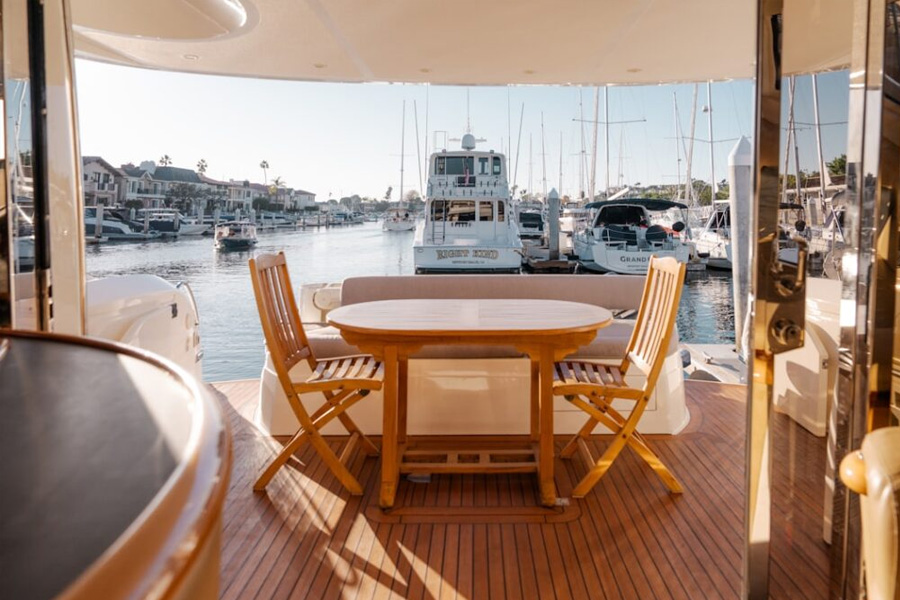
- Teak:Naturally oily and dense, teak resists water damage, decay, and insects. Its weather-resistant properties make it ideal for both indoor and outdoor use on ships and yachts.
- Marine-Grade Aluminum:This lightweight metal resists rust and is strong enough for frames or moving parts. It needs minimal upkeep and can be finished with protective coatings to further increase its lifespan.
- High-Density Polyethylene (HDPE):HDPE is a robust plastic engineered to resist cracking, warping, or fading when exposed to marine elements. It offers low maintenance and is an excellent alternative to wood or metal for certain applications.
For further exploration of durable outdoor materials, this Architectural Digest outdoor furniture guide offers in-depth advice on material choices and their best use cases.
Designing for Comfort and Functionality
The best marine furniture balances utility and comfort, accounting for the cramped, shifting nature of a boat’s interior or deck. Focus on:
- Ergonomics:Furniture should encourage a natural, relaxed posture. Armrests, lumbar support, and adjustable features contribute to comfort and extend its lifespan further. Choose seating with marine-grade foam and breathable, water-repellent fabrics. Fast-drying materials reduce the risk of mildew and keep seats comfortable after exposure to rain or spray.
- Space Efficiency:Every item should be proportionate to your available deck or cabin space, avoiding crowding while still providing ample support and comfort.
Safety and Stability Considerations
Marine conditions require furniture that remains steady when the water gets rough. For safety:
- Secure all pieces to the deck or floor. Built-in anchor systems or brackets are common for high-traffic pieces.
- Furniture bases should feature non-slip materials or grips to prevent sliding.
- Routine inspections are essential; ensure screws, bolts, and fasteners remain tight and rust-free. Replace any parts showing wear before they become a hazard.
According to the BoatUS guide on boat seating and upholstery, investing in safety-focused designs can prevent damage to both passengers and property.
Maintenance Tips for Longevity
Vigilant care extends the lifespan of all marine furniture. Employ these maintenance habits:
- Rinse surfaces with fresh water after every saltwater trip to remove deposits that accelerate rust and corrosion.
- Treat exposed metal parts with corrosion inhibitors or wax coatings at regular intervals.
- Store cushions and textiles indoors when not in use, and clean them regularly with gentle, marine-approved cleaners.
- Check wood finishes regularly and reseal or oil as recommended by the manufacturer to prolong the resilience of wooden surfaces.
One effective strategy to preserve your marine furniture is to implement a seasonal inspection checklist. Before the start of every boating season, examine all upholstered areas for tears or loose seams, as salt and water intrusion can quickly degrade foam cores and fastenings. Additionally, power washers can be helpful in lifting stubborn grime from hard surfaces, though care should be taken to avoid harsh settings that might strip protective finishes from wood or metal. As another tip, rotating cushions occasionally can help equalize sun exposure and wear, extending their aesthetic life.
Beyond cleaning and treating surfaces, be proactive with preventive measures. Use UV-protectant sprays on fabrics and plastic surfaces to slow fading and degradation. For vessels stored outdoors, invest in quality furniture covers tailored for marine conditions. These keep rain, bird droppings, and airborne pollutants at bay. Even minimalist covers or tarps can make a dramatic difference in overall longevity.
Customization and Aesthetic Appeal
While a foundational feature helps lift marine furniture, it also allows room, however, for my personal flair. Custom cushions, fabric choices, and wood finishes let you coordinate with your vessel’s color scheme and interior décor. Many brands provide bespoke services, so you never have to sacrifice comfort or durability to achieve your desired appearance.
Another consideration in customizing marine furniture is the ability to incorporate multipurpose or modular designs. Functional elements, such as benches with built-in storage or convertible seating, maximize limited deck space and enhance overall utility. With the right touches, contrasting piping on cushions, engraved wooden armrests, or stitched logos, your vessel’s interior and exterior living spaces become a true extension of your style. When choosing accessories or finishing details, remember that high-quality hardware and marine-grade textiles continue to unify protective qualities with the overall aesthetic vision you want to achieve.
Conclusion
Smartly selected marine furniture provides the backbone for comfort and safety on board. Focus on superior materials, practical design, and robust installation for pieces that will last for years. With a regular maintenance routine and the right style choices, your vessel will be both inviting and seaworthy, delivering maximum enjoyment wherever your adventures take you.
In summary, outfitting your boat with thoughtful, high-quality furnishings is an investment that pays off through enhanced safety, lasting beauty, and everyday enjoyment on the water. With attention to detail, preventive measures, and smart design strategies, your marine furniture will rise to the occasion, trip after trip, delivering immediate comfort and enduring protection against the elements. Whether hosting friends for an afternoon cruise or embarking on extended voyages, well-chosen furniture can make every onboard experience memorable and effortlessly stylish.