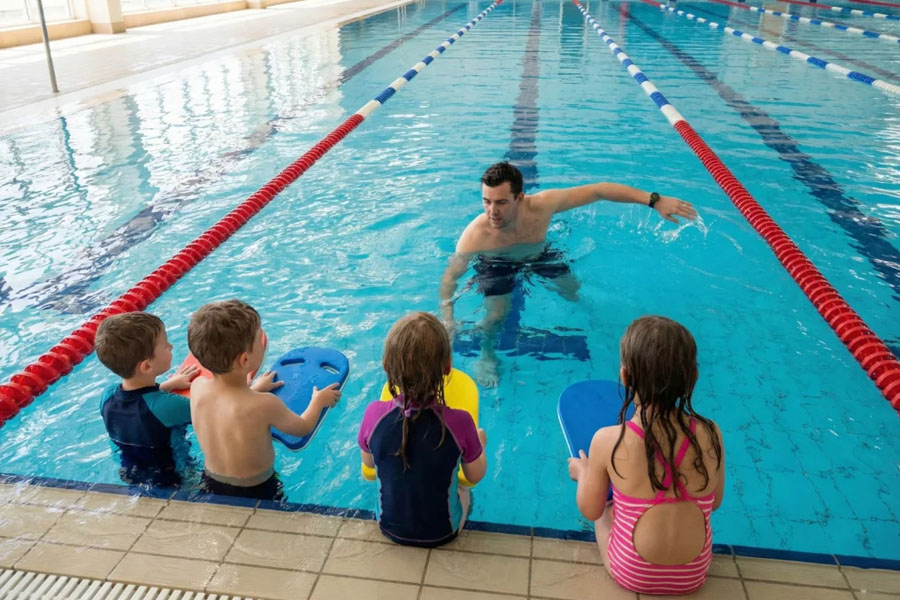
Why Swim Instruction Matters in a City of Water
Water is part of life on a small coastal island where weekends mean beaches, reservoirs, and community pools. Swim lessons are a public safety requirement, a fitness program, and a cultural rite of passage. Swimming, riding, and reading are family staples. Coached sports teach resilience and discipline, which employers admire. Aquatic events unite neighborhoods. Skilled instructors are more than teachers here. They are lifeguards, motivators, and water-based lifestyle ambassadors.
What Sets a Capable Instructor Apart
The best instructors are fluent in both strokes and stories. Technique matters: body alignment, efficient breathing, propulsive mechanics, and timing. Yet delivery is what sticks. Clear cues, age-appropriate language, and a knack for reading body language turn a tough drill into an aha moment.
- Communication that is concise and repeatable, paired with demonstrations that show rather than tell.
- Observation that catches small errors early, from sinking hips to hurried exhalations.
- Progressions that deconstruct complex skills into achievable steps, then rebuild them smooth and strong.
- Emotional intelligence that meets each swimmer at their level, whether it is a toddler clinging to the rail or a teen fine-tuning a flip turn.
Instructors also practice risk management without fanfare. They watch the water like hawks, keep equipment in reach, and maintain protocols that make safety feel seamless.
Training and Credentials Without the Jargon
Most coaches develop through a blend of coursework, poolside practice, and assessment. A typical pathway includes:
- First aid and CPR with AED proficiency.
- Water safety and basic rescue techniques.
- Coaching theory covering lesson design, feedback, and ethics.
- Practical hours shadowing senior instructors before leading solo classes.
- Ongoing professional development to stay current with best practices and evolving standards.
Paper certificates open doors, but the real test is on deck: managing mixed-ability groups, coaching in unpredictable weather, and delivering consistent results while staying unflappable.
A Day in the Life: Pool Deck Realities
Morning sun glints off still water. Lanes are marked, kickboards stacked, and lesson plans mentally rehearsed. Then reality hits. One child forgot goggles. A lane is double booked. Wind picks up and the first rumbles of thunder roll in the distance.
It combines choreography and triage. Instructors switch stations to keep students engaged. They rotate between private and group lessons, record attendance and progress, and answer parent questions. Between sets, they mop slick patches, reapply sunscreen, sip water, and scan the pool every few seconds. Scheduling, invoicing, and planning the next day’s progress are common evening tasks.
Teaching Across Ages and Abilities
Swim coaching in Singapore is a mosaic.
- Preschoolers need play with purpose. Bubble-blowing, starfish floats, and safe entries build comfort without fear.
- Primary schoolers thrive on games that smuggle in technique: relay races that reinforce streamline, treasure hunts that reward diving form.
- Teens respond to challenge. Interval sets, stroke counts, and goal times turn effort into measurable gains.
- Adults often arrive with baggage. Some never had the chance to learn. Others had a scare and avoided water for years. Patience, graded exposure, and steady wins help them rewrite their story.
- Seniors and rehab clients move to a different beat. Low-impact resistance, buoyancy-supported strength, and balance drills deliver fitness without joint stress.
- Swimmers with disabilities benefit from adaptive plans, tactile cues, and consistent routines that build confidence step by step.
The common thread is respect. Every body can learn. The route just looks different.
Technique, Not Tricks
Four strokes, one physics: reduce drag and generate clean propulsion.
- Freestyle: Long lines, head steady, exhale underwater, inhale to the side. Early vertical forearm anchors the pull. Kicks are rhythm, not chaos.
- Backstroke: Hips near the surface, a quiet head, and pinky-first hand entry. Body rolls as the arms windmill with control.
- Breaststroke: Glide is the gold. Kick whips from heels to snap, while the pull sets up breath at the narrowest part of the cycle.
- Butterfly: Timing is the secret. Two-beat kick drives body wave as arms recover relaxed and enter the water quietly.
Progressions begin at the shallow end: sculling to feel the water, kick sets for propulsion, drill sets to engrain patterns, then pace work to cement efficiency under fatigue.
Safety as a System, Not a Slogan
Safety lives in layers. Swim instructors set those layers before a toe touches water.
- Headcounts at start, during, and after.
- Lane plans that separate skill levels and match water depth to ability.
- Rescue gear staged and ready.
- Clear rules explained upfront: entries, spacing, rests, and signals.
- Weather monitoring with conservative calls on lightning and heavy rain.
- Emergency action plans rehearsed until response is automatic.
- Hygiene and water quality awareness to protect skin and respiratory health.
Good safety feels invisible because it is built into everything else.
Going Beyond the Pool: Open Water and Fitness
Many instructors guide swimmers past the lane ropes. Open water demands new skills: sighting to navigate, drafting for efficiency, and coping with chop and currents. Anxiety management matters as much as tempo.
Instructors use deep water intervals, resistance circuits with paddles or fins, and technique blocks to burn calories and protect joints in fitness-focused customers. Casual swimmers seek routine and fun, whereas triathletes and masters swimmers use scheduled cycles that combine volume and speed. The water is gym and playground.
Tech on Deck
Modern coaching blends age and technology. Underwater footage shows timing errors not seen on deck. Wearables measure heart rate and stroke rate to measure exertion. Tempo beepers teach rhythm. Attendance, progress, and goals are arranged by apps. Tech-savvy coaches boost learning while prioritizing privacy and permission, especially with kids.
Career Paths and Pay
Swim instructors in Singapore can carve different routes.
- Employed roles at community pools, clubs, or schools offer steady schedules, shared facilities, and administrative support.
- Freelance coaching promises flexibility and higher upside, but requires lane rentals, permits where relevant, insurance, and relentless organization.
- Hybrid models combine weekday institutional work with weekend private sessions at condo pools or public complexes.
Experience, venue, and group size affect income. Individual courses cost more per hour than group sessions, but groups scale better. Weather and cancellation regulations safeguard coach and client. Business is as real as technology: communication, timeliness, and clear pricing fill calendars.
Building Community and Culture
Great teachers sow long-term seeds. They advise parents on practice between sessions, conduct friendly time trials to celebrate milestones, and match swimmers to relevant paths. They welcome all backgrounds and body kinds, model respect on deck, and promote personal improvement above comparative progress. A good swim program generates a small community that keeps individuals coming back after the certificates are framed.
FAQ
How long does it take to qualify as a swim instructor in Singapore?
Timelines vary with prior experience and course availability. A motivated swimmer with strong water skills can complete core certifications, first aid, and supervised practical hours within a few months. Coaches who plan to work with specialized groups often add further modules over time.
Do I need to be a former competitive swimmer?
No. Competitive experience helps with stroke nuance and training design, but it is not mandatory. What matters most is strong personal swimming ability, a firm grasp of safety, and the ability to teach clearly and patiently.
What should beginners bring to their first lesson?
A well-fitted swimsuit, goggles, and a towel are essentials. A swim cap helps keep hair out of the face and reduces drag. Young learners benefit from a snug rash guard for warmth. Instructors usually provide teaching aids like kickboards and pull buoys.
How do instructors handle rain or lightning?
Light rain alone may not stop lessons, but lightning and thunder trigger immediate pool evacuation and postponement. Most instructors follow conservative weather protocols and reschedule to keep everyone safe.
Can adults who fear water learn to swim?
Yes. Many adults start with shallow water comfort, breath control, and supported floats. With graded exposure and consistent practice, fear gives way to familiarity, then confidence. Progress is often faster than expected once trust is established.
How are children kept safe in group classes?
Safety starts with appropriate ratios and clear lane plans. Instructors set rules before entering, maintain constant scanning, perform frequent headcounts, and position weaker swimmers in closer proximity. Rescue equipment is kept within reach, and assistants are added for larger groups.
Is open water coaching different from pool coaching?
Very. Open water adds navigation, pack dynamics, and environmental factors like currents and visibility. Coaches prepare swimmers with drills for sighting, controlled starts, and pacing without walls, and they assess conditions before every session.
How do instructors price lessons?
Rates depend on coach experience, location, and lesson format. Private sessions cost more per hour, while group lessons lower the per-person price. Some coaches bundle term packages and set clear makeup and cancellation policies to manage weather and no-shows.
What is the typical student to coach ratio?
Ratios vary by age and skill. Young beginners often learn best in small groups, commonly between three and six per instructor. More advanced swimmers can train in larger squads if lane etiquette, spacing, and supervision are well managed.
How often should a new swimmer train?
Consistency matters more than marathon sessions. One to two lessons per week paired with short practice swims builds steady gains. As technique stabilizes, frequency and distance can increase to suit fitness goals or event timelines.