Map Your Heat Load Before You Pick Hardware
Begin with the building, not boiler. Renovations offer a rare chance to reevaluate your home’s heat demands. A simple desktop estimate can be several kilowatts off. Request a room-by-room heat loss calculator that considers insulation, window U-values, air leakage, and design outdoor temperature. Simple modifications like draft sealing and loft top-ups can reduce peak consumption enough to change boiler size.
A properly sized boiler cycles less, is quieter, and lasts longer. Bigger units waste energy and wear parts like sprinters on treadmills. Complement the computation with emitter planning. To offer the same heat at 45 to 55 C water, not 70 to 80 C, you may require larger radiators or underfloor loops to lower flow temperatures for efficiency and comfort.
Hot Water Rules the Spec
Space heating is only half the picture. Domestic hot water capacity often dictates whether you lean gas or electric and whether a combi or a stored hot water system makes sense.
- Profile your peak hour: two showers and a dishwasher is a very different requirement than one bath per evening.
- Flow rate and temperature rise matter. A combi must lift incoming mains water to 40 to 50 C at the desired liters-per-minute. Cold winter mains temper many combis.
- Storage cylinders provide buffering. With a cylinder, you can meet short bursts with stored heat, then recover over time. This opens the door to lower boiler outputs and smarter timing.
High-simultaneity homes tend to favor gas combis with healthy DHW outputs or system boilers with cylinders. Smaller, low-demand homes can thrive with an electric boiler and cylinder or a modest gas combi.
Cost of Ownership, Not Just Sticker Price
Your spreadsheet should include purchase price, installation, running costs, and maintenance over at least 10 years. Use energy unit rates, standing charges, seasonal efficiency, and your expected annual kWh.
Example scenario:
- Annual useful heat needed: 15,000 kWh total for space heating and hot water
- Gas boiler at 92 percent seasonal efficiency consumes about 16,300 kWh of gas. At 5.74 p per kWh that is roughly £936, plus a standing charge around £106 per year.
- An electric boiler converts electricity to heat nearly one-to-one. At 24.67 p per kWh, 15,000 kWh costs about £3,701, plus a standing charge around £209 per year.
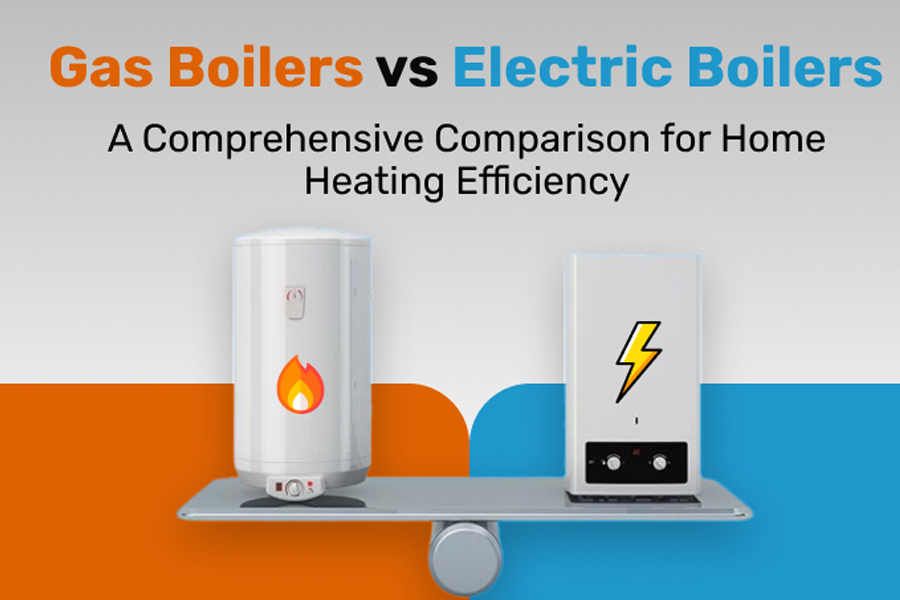
In this simple comparison, electricity-only heat is costlier to run on standard tariffs. That equation can shift if you:
- Exploit off-peak time-of-use periods with a cylinder or thermal store
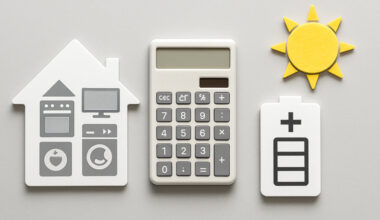
- Pair the electric boiler with solar PV and battery storage
- Cut the heat demand via fabric upgrades and low-temperature distribution
Maintenance counts too. Gas appliances need annual servicing to retain efficiency and safety, and parts like fans, electrodes, and pumps can add costs over time. Electric boilers have fewer moving parts and no flue, generally lowering routine upkeep.
Electrical Realities for Electric Boilers
Electric boilers are compact and simple, but their appetite for amps is real.
- Single-phase homes usually have a 60 to 100 A main fuse. After allowing for cooking, EV charging, and other loads, practical boiler sizes often land around 6 to 9 kW. Larger 12 kW units can be feasible with careful load assessment.
- Dedicated circuits, RCD protection, cable sizing, and proper isolation are essential. Voltage drop and cable routes need early coordination.
- Three-phase service unlocks larger capacities and smoother load distribution. Upgrades can be a meaningful investment and require coordination with your network operator. Factor lead times into your renovation schedule.
If you are staying single-phase, lean on thermal storage. A well-insulated cylinder charged at strategic times can cover peak draws with a modest boiler.
Gas Practicalities You Must Plan
Modern gas boilers are compact and strong on high hot water demand, but the details matter.
- Flue position must meet clearance rules. Plan runs before cabinetry and finishes. Horizontal flues through new cladding need careful sealing to prevent water ingress.
- Condensate drains must resist freezing. Internal routing or trace heating protects winter reliability.
- Pipe sizing is not set-and-forget. Older 15 mm gas lines often starve modern appliances. Engineers may need to upgrade to 22 mm or larger.
- For best efficiency, condensing boilers crave low return temperatures. Achieve this by upsizing radiators, balancing circuits, and enabling weather compensation.
- Fit carbon monoxide alarms in the right locations. Keep ventilation pathways clear.
Hydrogen-ready labels indicate tolerance for a blend in future networks, but do not automatically guarantee full hydrogen service. Choose on present-day comfort, efficiency, and lifecycle value while staying flexible.
Comfort and Controls
Controls are the conductor of your comfort orchestra. The right setup turns equipment into a system.
- Weather compensation trims flow temperature on milder days, lifting condensing efficiency and smoothing warmth.
- Load compensation modulates boiler output to match real-time demand, cutting cycling.
- Smart zoning with TRVs or room stats prevents overheat and allows tailored schedules. Prioritize often-used zones and simplify seldom-used rooms.
- Open protocols allow boilers and controls to share data. Modulation beats all-on or all-off.
- Avoid deep nightly set-backs in well-insulated homes. Gentle glides save energy and feel better.
Fabric First Still Wins
No boiler can outgun a leaky envelope. During renovations, invest where heat is lost and drafts creep in.
- Seal cracks and service penetrations. Airtightness testing reveals the hidden highways.
- Upgrade loft insulation and consider internal or external wall treatments where viable.
- Replace or refurbish windows and doors with attention to frames, spacers, and seals.
- Plan ventilation deliberately. If you tighten the shell, provide fresh air with trickle vents or mechanical ventilation with heat recovery.
As demand drops, your boiler can be smaller, quieter, and cheaper to run. Lower-temperature operation becomes realistic, amplifying efficiency.
Resilience and Futureproofing
Both gas and electric boilers use electric pumps and controls. A tiny battery-backed UPS can keep the system and circulators running during frequent outages. Use a portable generator changeover switch and a licensed electrician for extended reliability.
Solar PV and a hot water cylinder can save sunny kWh for afternoon showers if you build an electric boiler. In addition, a thermal store lets you buy cheap off-peak electricity for dinner. If you plan to install a heat pump later, install huge radiators or underfloor zones and a cylinder with a large coil. This is like constructing train tracks ahead.
Installation Timing in a Renovation
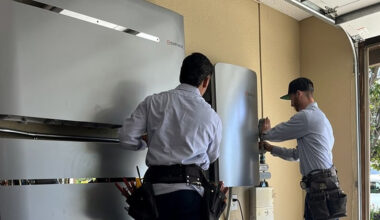
Sequence is everything. Agree on plant location and clearances before the first fix. If a flue is required, cut and sleeve openings before the facade is finished. Run electrical feeds and controls cabling ahead of plastering. Pipework should be pressure-tested before close-in. On day one of commissioning, require a proper system flush, magnetic filtration, inhibitor, and water quality checks. In hard-water areas, add scale protection to protect plates and coils.
A tidy plant room or kitchen cupboard with labeled valves and accessible filters saves hours later. It also invites proper annual servicing, which is how efficiency remains on paper and in practice.
FAQ
How do I estimate my peak heat demand during a renovation?
Ask for a room-by-room heat loss calculation using your planned insulation, windows, and airtightness. It should specify watts per room at a defined outdoor temperature. Use the total to size the boiler and use the per-room values to pick radiator outputs at the chosen flow temperature.
Can an electric boiler heat a large house?
The feasibility relies on electricity capacity and hot water strategy. Large properties typically surpass single-phase supply capacity. A cylinder or thermal storage can bridge brief bursts. Three-phase service or alternate heat sources are needed for heavy needs.
What size electric boiler is realistic on single-phase power?
In many homes, 6 to 9 kW is a practical ceiling once other loads are considered. Some properties can support 12 kW with careful load management. A competent electrician should perform a load assessment and coordinate protective devices and cable sizing.
Do modern gas boilers save energy if my radiators are old?
They can, but savings grow when radiators are sized to allow lower flow temperatures. Old undersized emitters force hotter water and reduce condensing efficiency. Upgrading key radiators or adding panels in cold rooms enables the boiler to run cooler more often.
Is a hydrogen-ready boiler a safe bet for the future?
Hydrogen-ready typically means compatibility with a blend rather than a guarantee of pure hydrogen supply. Choose equipment that performs efficiently with current fuels and controls. Design the distribution system for low temperatures so you remain flexible regardless of the fuel landscape.
Will an electric boiler work during a power cut?
No. Like gas boilers, electric boilers rely on electricity for controls and pumps. A small UPS can ride through short outages. For longer resilience, plan for backup power and consult a qualified installer.
Should I choose a combi or a system boiler during a kitchen remodel?
If space is tight and hot water demands are modest, a combi saves room by removing the cylinder. If you want multiple taps running at once, prefer stable temperatures, or want to exploit off-peak electricity or solar, a system boiler with a cylinder provides better buffering and flexibility.
How do smart tariffs change the equation for electric boilers?
Time-of-use tariffs reward shifting consumption into cheaper periods. Pair an electric boiler with a well-insulated cylinder or thermal store and schedule heating when rates drop. This can materially narrow the running-cost gap relative to gas, especially when combined with solar generation.