Map Your Goals With Precision
First, define your goal. Privacy, safety, pet management, pool compliance, noise reduction, and style diverge. Look for solid or semi-solid patterns that break sightlines at sat and standing heights if your yard feels like a goldfish bowl. For security, consider discouragement, delay, and detection. Lockable entrance points, height, and stiffness matter.
Pool areas often need self-closing, self-latching gates and heights. Acoustic performance matters if you live near busy roadways. Noise can be muted via dense boards, few holes, and bulk. Plan for height and anti-climb in deer and coyote habitats. Choose designs that allow airflow to ease pressure if your lot is windy. Each property has a tale. Make your fence a customized chapter.
Smart Layout and Height Choices
Good layout is subtle magic. With stakes and string, walk the perimeter. Plan setbacks, easements, and slopes. If unsure, survey the property line. Locate gates where people move naturally. A 36-inch gate handles most foot traffic. A 48-inch gate allows wheelbarrows and mowers. If you need vehicle access, install a 10- to 12-foot double gate.
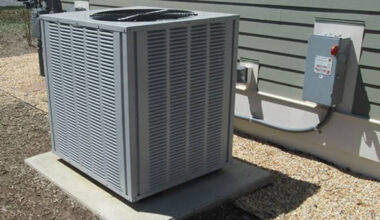
Choose stepped portions for a clean terraced look or racked panels that follow grade on slopes. Brace corners to maintain geometry. Keep fences clear of drainage swales. Make room for trash, HVAC, and deliveries. Height is an aid, not an estimate. Based on your privacy line and local laws, choose heights and plan decorative toppers within restrictions.
Before digging, call your local utility marking service. Striking a buried line turns a weekend project into a crisis.
Material Deep Dive You Can Live With
Materials are the personality of your fence. Look beyond first impressions and think lifecycle.
- Composite blends resist rot and do not need paint, with a look that nods to wood. They are heavier than wood, so posts and hardware should match the load.
- Galvanized steel provides serious strength. Powder coating adds color and extra corrosion resistance. For coastal zones, scrutinize coating quality and hardware grades.
- Aluminum brings low maintenance and clean lines. It is ideal where airflow is important and rust is a concern, but it flexes more than steel and is not a barricade material.
- Bamboo and woven reed panels create a natural screen. They excel as lightweight privacy layers or as cladding on a sturdier frame.
- Living fences such as hedges or espaliered trees soften edges and invite wildlife. They can pair with low rail or mesh for containment while greenery matures.
Ask about UV stability, recycled content, and warranty terms. Not all vinyl, composite, or coatings are equal. Choose options that match your climate and your tolerance for upkeep.
Hardware and Fasteners Matter
What binds a fence together determines its strength. Stains and premature failure can be avoided with hot-dip galvanized or stainless fasteners. Pull-out resistance and repair ease are better with exterior-rated structural screws than nails. For self-closing, hinges should be sturdy and adaptable. If security counts, buy a two-sided latch. Consider anti-lift pins or continuous hinges for fragile gates. Choose load-rated gate posts and hinges if you add an automated opener later.
Foundations, Soil, and Wind
Soil sets the rules. In clay, water expands and contracts through seasons, so deeper posts and proper drainage are critical. In sandy soil, broader footings or soil stabilization helps. Where the ground freezes, set posts below frost depth so winter does not heave your fence. Bell-shaped footings resist uplift. Gravel at the bottom of post holes can improve drainage. In very wet areas, some builders favor compacted gravel backfill over solid concrete collars to let water move.
Wind alters calculus. Solid panels sail. Reduce panel width, adopt an air-bleeding design, or increase post diameter and depth. Release pressure via expansion gaps and relief spaces on lengthy lengths. Mix open portions near wind-heavy bends. Use rated anchors and a load path-savvy installer for retaining walls or masonry tie-ins.
Security Without the Fortress Look
Graceful security. Keep horizontals within to lower climb points. Narrow vertical spacing limits footholds. Curved railings or ornamental spikes inhibit scaling without looking prison-like. Ensure visibility near gates. Excellent lighting multiplies force. Pair it with a quality latch and a simple camera if needed. Landscapers can help. Thorny bushes behind windows and along fences add a natural second layer without looking fortified.
Pet and Wildlife Considerations
Pets creatively test design. Use a kickboard or a welded wire apron to attach bottom rails close to grade for diggers. Give jumpers height or inward-angled toppers. Small dogs need closer pickets. Rollers at the top prevent cats from escaping without seeming heavy. Consider elevated parts or periodic openings near ground level in wildlife corridors, or use mesh widths that let turtles and small animals pass while containing pets. Use a double fence offset many feet to disrupt deer depth perception or 7–8 feet.
Maintenance Plans and Lifespan
Prepare your maintenance plan before buying. Wood rewards care. Back-prime boards, pre-seal cut ends, and keep a waterblock finish. Wash annually and recoat every few years depending on exposure. A mild wash eliminates algae and dust from vinyl. Dark colors in direct sunlight should be avoided unless rated for high heat. Wash and touch up aluminum and coated steel with damaged coatings. Lubricate latches and hinges twice yearly. Keep soil and mulch off bottom boards to prevent deterioration. Seasonally adjust gates. Early detection of little faults will let your fence age gracefully.
Sustainability and Cost Control
Sustainability may be simple. Use local materials to reduce travel. Search composites and steel for recycled content. Use low-VOC coatings. Repairable design with screwed assembly and removable panels. Cost control begins with scope. Divide lengthy runs logically. Panel sizes should be standardized to reduce bespoke cuts. Premium materials should be prominently displayed and simpler solutions used in back or utility areas. Avoid trenching by pre-wiring gate power or lighting. Make one smart purchase to save money over time.
Permits, Neighbors, and Etiquette
Fences are good, but friendly neighbors are better. Share your plan before building. Show heights, gates, and finished side orientation. Many communities prefer the finished side out. Cost-sharing agreements for a shared boundary fence should be documented. Respect driveway and intersection sight triangles. Define corners and shoot pre-construction. Keep work hours reasonable and clean regularly. Courtesy is cheap and prevents long-term problems.
FAQ
How tall should my fence be for real privacy?
Consider surrounding windows and decks’ average sightlines. Six feet handles many sat and standing angles. Rise where allowed or add a trellis topped with climbing plants to obscure sightlines without exceeding maximums if neighbors are uphill or have second-story windows.
What is the best post setting method for longevity?
Set posts below frost depth where applicable. Use a gravel base for drainage, then backfill with either concrete that crowns above grade or compacted gravel depending on soil and moisture. Slope the top away from the post to shed water. Seal cut ends on wood posts before setting.
Can I mix materials to balance privacy and airflow?
Yes. A hybrid design with solid sections in social areas and open metal or horizontal slat sections elsewhere offers privacy where you live and breeze where you need relief. Transitions look intentional when posts, caps, and colors tie the styles together.
How do I reduce street noise with a fence?
Aim for mass, height, and continuity. Use dense boards with minimal gaps, overlap seams, and avoid holes. Add a secondary layer on the street side or plant a dense hedge inside the fence line. While a fence will not silence traffic, thoughtful design can soften it significantly.
What kind of gate hardware do pool rules usually require?
Most regions require self-closing hinges, a self-latching mechanism mounted at a specified height, and outward opening gates. Latches must be child resistant. Confirm local code details before purchasing hardware so you choose compliant components the first time.
Are there low-maintenance options that still look warm and natural?
High-quality composite or aluminum framed fences with wood-like infill deliver warmth without frequent refinishing. Stainable thermally modified wood is another option with improved stability and decay resistance compared to standard lumber.
How can I keep my dog from digging under the fence?
Install a buried barrier. Extend welded wire or hardware cloth at least 12 to 18 inches below grade and bend it inward to form an L shape. Alternatively, add a concrete mow strip or pressure-treated kickboard tight to the ground. Pair this with training to complete the solution.