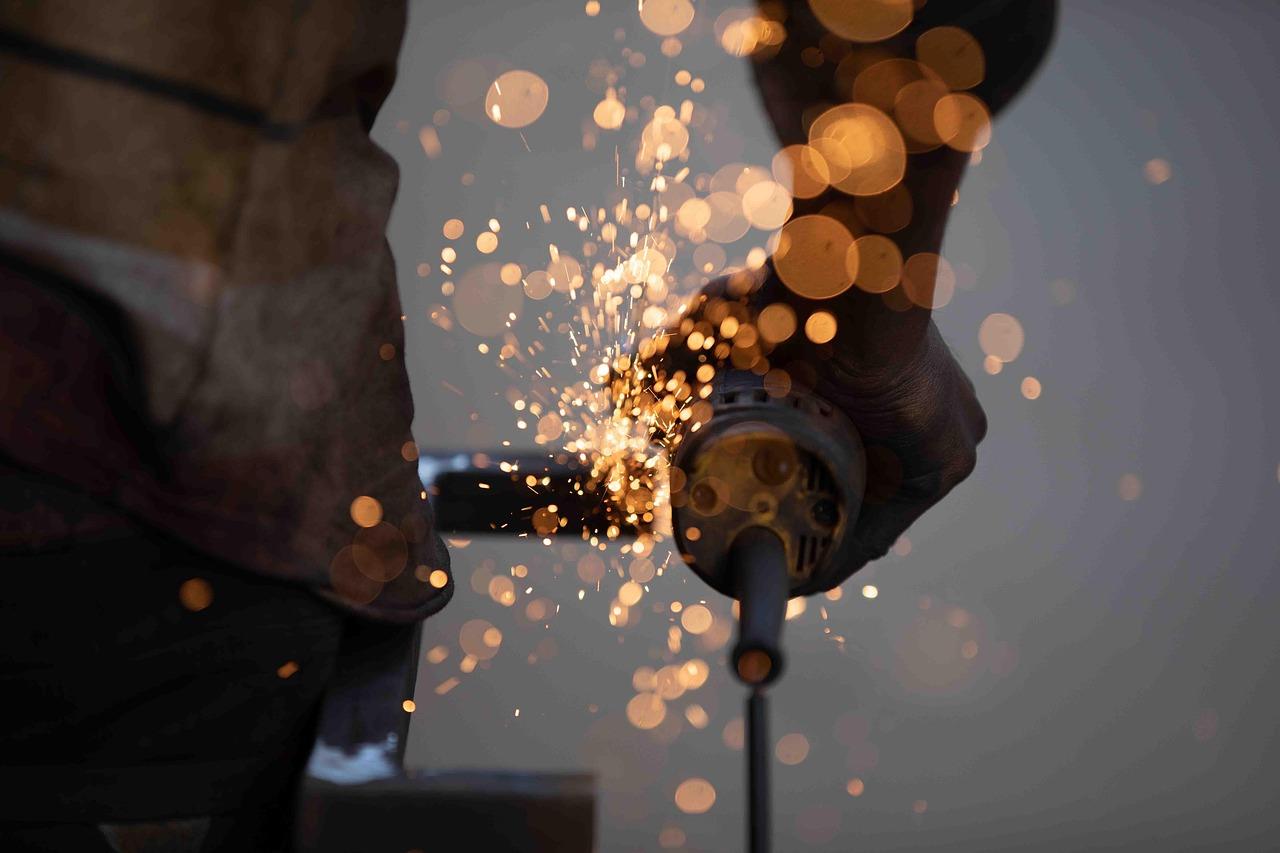
One of the most satisfying accomplishments for a hobbyist or weekend builder is establishing a functional metalwork shop at home.
Done correctly, your workshop will be where you build practical projects… projects that support weight, look professional, and won’t send you to the ER.
Done wrong? It gets ugly fast.
Welding isn’t just for professionals anymore. The global welding market size is $25 billion as of 20 24. We are seeing more home users buying torches and stick welders for actual builds.
So how do you outfit a shop the right way?
What you’ll pick up:
- Why Home Workshops Need Real Equipment
- Gas Cylinders & The Valves That Matter Most
- Welding Machines For Serious Projects
- Safety Gear You Can’t Skip
- Workshop Layout That Actually Works
Why Home Workshops Need Real Equipment
Many people attempt to scrimp and save when doing metalwork. Buy the cheapest welder, smallest cylinder, lowest end torch possible.
Then they ask why their welds keep cracking. Or why their cuts look awful. Or why they constantly burn through consumables.
Here’s the thing:
Metalwork at home isn’t the same as casual hobby crafting. You’re dealing with:
- Extreme heat
- Pressurized gases
- Heavy steel and aluminum
- Open flame and live arc
This is why equipment is so important to you and your gas. Take the soft seat valve found on your acetylene cylinder for instance. It utilizes a flexible soft seat (typically made of PTFE or nylon) versus a hard metal-to-metal seal. This provides a tighter shutoff, fewer leaks and a longer service life.
When the day comes and you need to purchase acetylene valves online, look for industrial grade soft seat valve construction. Low priced valves leak. Leaking acetylene is one of the quickest ways to change your hobby into a major incident.
Gas Cylinders & The Valves That Matter Most
Your gas configuration is the most important part of any oxy-fuel cutting or brazing operation. Fail here and you fail at everything else.
For a home workshop, you’ll typically want:
- One oxygen cylinder (medium or large)
- One acetylene cylinder
- A solid pressure regulator on each
- Quality hoses with anti-flashback arrestors
- Approved cylinder valves (a soft seat valve is the preferred option)
Why does the soft seat valve matter so much?
A hard-seat valve seals by mating two areas of metal together. Dirt, scoring, or frequent openings wear that surface away. When the seat is gone, gas leaks — gradually at first, then rapidly.
A soft seat valve addresses that issue by incorporating a replaceable elastomer or polymer seat. The seal closes tightly every time you shut off, even after years of use. That’s a big deal for acetylene, which is extremely flammable and reactive.
Don’t forget cylinder valves when performing routine checks. Inspect the threads. Inspect the seat. If it sticks, leaks, or makes a hissing noise… replace it. Don’t try to “fix” it.
Welding Machines For Serious Projects
Your welder is the heart of the shop.
There are three main types you should know about:
- MIG (Metal Inert Gas): The easiest welding process to learn. Good for beginners and clean welds on mild steel and aluminum.
- TIG (Tungsten Inert Gas): Slowest, but cleanest weld. Best for thin metals and stainless applications.
- Stick (Arc): Tough as nails. Outdoor welding. Windy conditions. Rusty ferrous metals. Will work when others break down.
For a serious home welder, a multi-process welder is hard to beat. This gives you MIG, TIG, and stick welding all in one welder. They are more expensive initially but you won’t have to buy 3 welders later.
Look for:
- 200 amp output (minimum)
- Dual voltage capability (110V and 220V)
- Reputable brand with available spare parts
- A solid warranty
Don’t cheap out here. A bad welder will frustrate you for years.
Safety Gear You Can’t Skip
Welding seriously isn’t funny. Over 560,000 people get injured every year in welding related accidents in the US, according to the Bureau of Labor Statistics.
You think that only happens in industrial shops? Think again. Home injuries occur frequently, largely due to home users neglecting safety equipment.
At a bare minimum, every home workshop needs:
- An auto-darkening welding helmet (good lens, fast switching)
- Heavy welding gloves (separate pairs for MIG/TIG)
- A flame-resistant jacket or apron
- Safety boots with steel toes
- Hearing protection
- A respirator for fume protection
Remember ventilation. Welding fumes are nasty — they cause short-term problems like metal fume fever and long-term lung damage. Crack open the garage door, install an exhaust fan, or buy a dedicated fume extractor.
Keep a fire extinguisher arm’s reach away. Class ABC works well for home shops.
Workshop Layout That Actually Works
Now to the layout.
A messy workshop makes you slower, causes trips, and complicates cleanup. Learn how to organize properly.
Start with three zones:
- Wet zone — for grinding, cutting, and dirty work
- Dry zone — for welding and assembly
- Storage zone — for tools, cylinders, and consumables
Chain cylinders upright to a wall away from heat sources and direct sunlight. Always.
Make sure your welding table is made of heavy steel and is sized to accommodate the projects you most frequently weld. Do not use a wood top — it’ll catch sparks and be a fire hazard.
Lighting is often more important than most realize. Make sure you have bright, consistent lighting above your workspace. Combine overhead light with portable task lighting that you can move around.
Lastly, allow yourself enough room to walk around the piece. A cluttered workshop is a unsafe workshop.
Tying It All Together
A serious home metalwork shop isn’t something you build in a weekend.
Real shop ownership is an incremental process. It’s investing in decent tools over time, making wise decisions about safety features, and designing a smart floor plan. The reward is having a space where you can build, repair, and make things that have true utility — and not have to worry about a flaky cylinder valve blowing up your project (or you).
To quickly recap:
- Start with quality gas equipment, including soft seat valves on your acetylene cylinder
- Invest in a multi-process welder that suits your skill level
- Never skip the safety gear — helmet, gloves, ventilation, fire extinguisher
- Lay out your shop in zones for cleaner, safer working
- Build it up over time — quality always beats quantity
Don’t rush. Buy it once, cry once. And have fun with EVERY project you do.