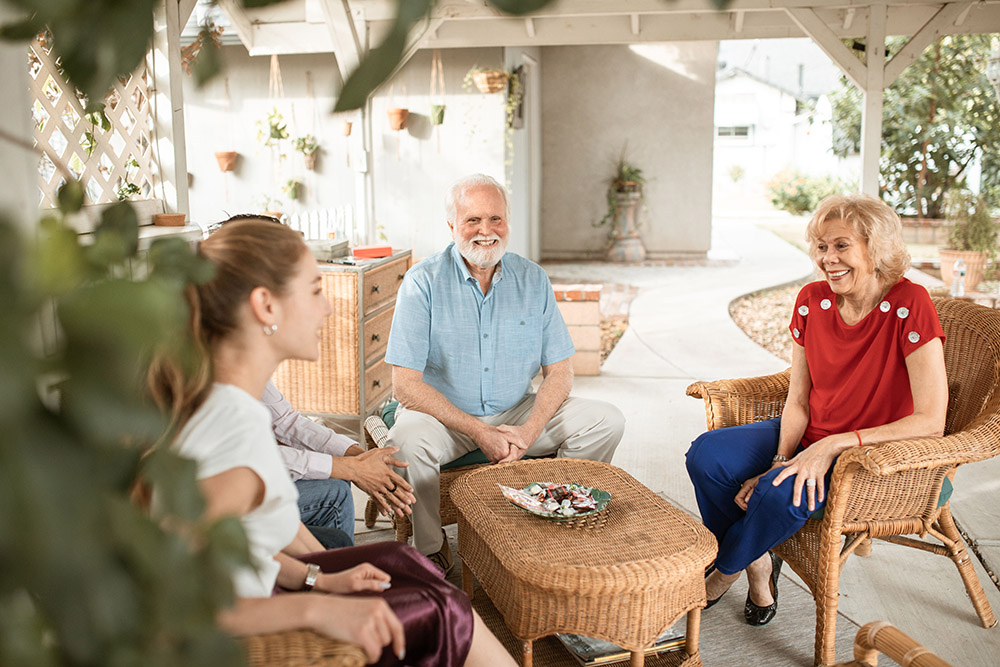
Retirement is often viewed as a time to relax and enjoy the rewards of a lifetime of hard work, but it also represents a significant life transition. As daily routines shift and social circles change, maintaining a strong sense of connection can become more challenging. While physical health often takes center stage in conversations about aging, social wellness is emerging as an equally important factor in overall quality of life.
Social wellness focuses on the ability to build and maintain meaningful relationships, engage with others, and feel a sense of belonging. In retirement communities, this aspect of well-being is gaining increased attention as more people recognize its lasting impact. By fostering environments that encourage interaction and engagement, these communities are redefining what it means to age well.
Understanding Social Wellness and Its Role
Social wellness goes beyond simply being around others, as it involves forming genuine connections that provide emotional support and companionship. These relationships help individuals feel valued and understood, which is especially important during periods of change. In retirement communities, social wellness is often woven into daily life through shared activities, group events, and communal spaces.
Maintaining these connections has a direct influence on emotional health, as individuals who feel socially connected are less likely to experience loneliness or depression. Positive interactions can elevate mood, boost confidence, and create a sense of stability. This emotional foundation supports other aspects of wellness, making social engagement a critical part of a healthy lifestyle.
Communities that prioritize social wellness often design programs and spaces that make it easier for residents to connect naturally. This intentional approach helps ensure that everyone has opportunities to participate and feel included, regardless of their individual preferences or abilities.
The Link Between Social Engagement and Cognitive Health
One of the most compelling reasons for the growing focus on social wellness is its connection to cognitive health. Regular interaction with others encourages mental stimulation, which is essential for maintaining memory and problem-solving abilities. Conversations, games, and shared experiences all challenge the brain in ways that support long-term function.
For individuals experiencing memory-related conditions, structured social engagement can be particularly beneficial. Programs offered through environments such as SHINE® Memory Care in Richmond, VA are designed to combine cognitive support with meaningful interaction. These approaches create opportunities for residents to stay mentally active while also enjoying the benefits of connection.
Social engagement also helps reduce stress, which can have a positive effect on brain health. When individuals feel supported and connected, they are better equipped to navigate challenges and maintain mental clarity. This connection between social wellness and cognition highlights the importance of fostering interactive communities.
Creating a Sense of Purpose Through Connection
A strong sense of purpose is closely tied to overall well-being, and social wellness plays a key role in maintaining that sense of direction. In retirement communities, residents often have opportunities to participate in activities, share their skills, and contribute to the community. These experiences help reinforce a sense of value and identity.
When individuals feel that they have something meaningful to offer, they are more likely to stay engaged and motivated. Whether it is leading a group activity, mentoring others, or simply being an active participant, these roles contribute to a fulfilling daily life. Purpose is not limited to large achievements, as even small interactions can have a meaningful impact.
Communities that encourage participation create an environment where residents feel empowered to take part in shaping their experiences. This collaborative atmosphere strengthens connections while also promoting individuality and self-expression.
Building Stronger Community Bonds
The design and structure of retirement communities have evolved to place greater emphasis on interaction and accessibility. Shared spaces such as dining areas, gardens, and activity rooms serve as natural gathering points where residents can connect with one another. These environments make it easier to form relationships and build a sense of camaraderie.
Social events and group activities further support these connections by providing structured opportunities for interaction. From educational workshops to recreational outings, these experiences bring residents together in meaningful ways. Over time, these shared moments create a strong sense of community that enhances daily life.
Care staff also play an important role in fostering these bonds by facilitating interactions and encouraging participation. Their support helps create an inclusive atmosphere where residents feel comfortable engaging with others. This combination of thoughtful design and supportive leadership strengthens the overall community experience.
The Impact on Overall Quality of Life
Social wellness has a ripple effect that extends across multiple aspects of life in retirement communities. Individuals who feel connected and supported are more likely to maintain positive mental health, stay physically active, and engage with their surroundings. This holistic approach to wellness creates a more balanced and fulfilling lifestyle.
In addition to improving emotional and cognitive health, strong social connections can lead to increased resilience. Residents who have supportive networks are better equipped to handle challenges and transitions, which contributes to long-term stability and well-being. This resilience is an important factor in maintaining independence and confidence.
As awareness of these benefits continues to grow, more retirement communities are placing social wellness at the center of their approach. By recognizing its importance, they are creating environments that support not only physical health but also emotional and social fulfillment.
Conclusion
The growing emphasis on social wellness in retirement communities reflects a deeper understanding of what it means to live well in later years. By prioritizing connection, engagement, and a sense of belonging, these communities provide a foundation for emotional, cognitive, and overall well-being. As more individuals seek environments that support meaningful relationships, social wellness will continue to play a central role in shaping the future of retirement living.