Want to recover faster from workouts, injuries, or just the daily grind?
Having a home recovery room used to be a perk reserved only for pro athletes. Now it’s one of the smartest investments you can make for your health — and it’s never been more budget-friendly. The best news?
You can build one piece by piece without breaking the bank.
Learn what recovery equipment works – and what doesn’t.
Here’s what’s coming up:
- Why Home Recovery Rooms Are Booming
- The Must-Have Recovery Gear
- Oxygen Concentrator Therapy Explained
- Setting Up Your Space The Right Way
- Common Mistakes To Avoid
Why Home Recovery Rooms Are Booming
Recovery is finally getting the attention it deserves.
Muscles didn’t grow outside the gym. Lifters just trained hard. They increased their weight. Runners went longer. Nobody cared about recovery. Now the science shows that sleep and rest is where the growth happens.
The recovery equipment category now represents a $2.1 billion sub-market and it’s growing fast.
Here’s why it matters:
- You sleep better with proper recovery
- Performance increases over time
- Injuries heal faster
- Inflammation drops significantly
This trend is not stopping anytime soon. Everyone isn’t satisfied with a treadmill just sitting in their garage. They want complete recovery setups.
The Must-Have Recovery Gear
Creating your dream home recovery room does not require you to drop thousands of dollars on every device imaginable. Invest wisely in what you need.
Here are the essentials worth the money.
Oxygen Concentrator Therapy
Oxygen concentrator therapy is probably the most underrated recovery tool out there.
It works by drawing in ambient air and removing everything but oxygen–supplying a concentrated flow that the body utilizes to heal tissue, decrease swelling and improve energy. Athletes have been using oxygen therapy for years, but only recently has it been available at an affordable price for home users.
For those who are devoted to oxygen concentrator therapy, you can step it up even further with a 2.0 ATA hyperbaric chamber. Hyperbaric chambers increase pressure, allowing more oxygen in your blood and tissue than traditional concentrators by themselves. Benefits include:
- Faster muscle recovery
- Reduced inflammation
- Better sleep quality
- Improved cognitive performance
- Quicker healing from injuries
- More energy throughout the day
The market is exploding too. The hyperbaric oxygen therapy market was $7.88 Billion in 2026, with growth in home use leading every other category.
Cold Plunge or Ice Bath
Cold exposure is having a moment — and for good reason.
Cold plunges reduce muscle soreness, promote recovery, and make you happier too! You also don’t need a $10k unit. Get thrifty with a stock tank and ice chest.
For best results:
- Aim for 50-59°F water temperature
- Stay in for 2-5 minutes
- Use it after intense training sessions
- Pair it with breathing techniques
Infrared Sauna
Instead of heating the air around you, infrared saunas directly heat your body. This allows for deeper tissue penetration at lower temperatures — much more comfortable than traditional saunas.
The benefits include:
- Detoxification through sweating
- Improved circulation
- Pain relief
- Better skin health
An infrared sauna designed for one person is ideal for your home recovery room. These units are surprisingly small.
Massage Tools
These are the affordable workhorses of recovery:
- Percussion massage gun
- Foam roller (basic and textured versions)
- Lacrosse balls for trigger points
- Resistance bands for mobility
Quality really does matter here. Low end models snap easily and lack power/tension that others do. The proper device for only 10 minutes a day can work wonders for chronic soreness/tightness.
Red Light Therapy Panel
Red light therapy has become ubiquitous fairly quickly. What was once just a niche biohack is now a mainstream recovery method. Research suggests it can improve skin quality, joint pain and muscle recovery. Panels are relatively inexpensive when compared to other high-dollar recovery tools. And you can even use them while watching TV.
Setting Up Your Space The Right Way
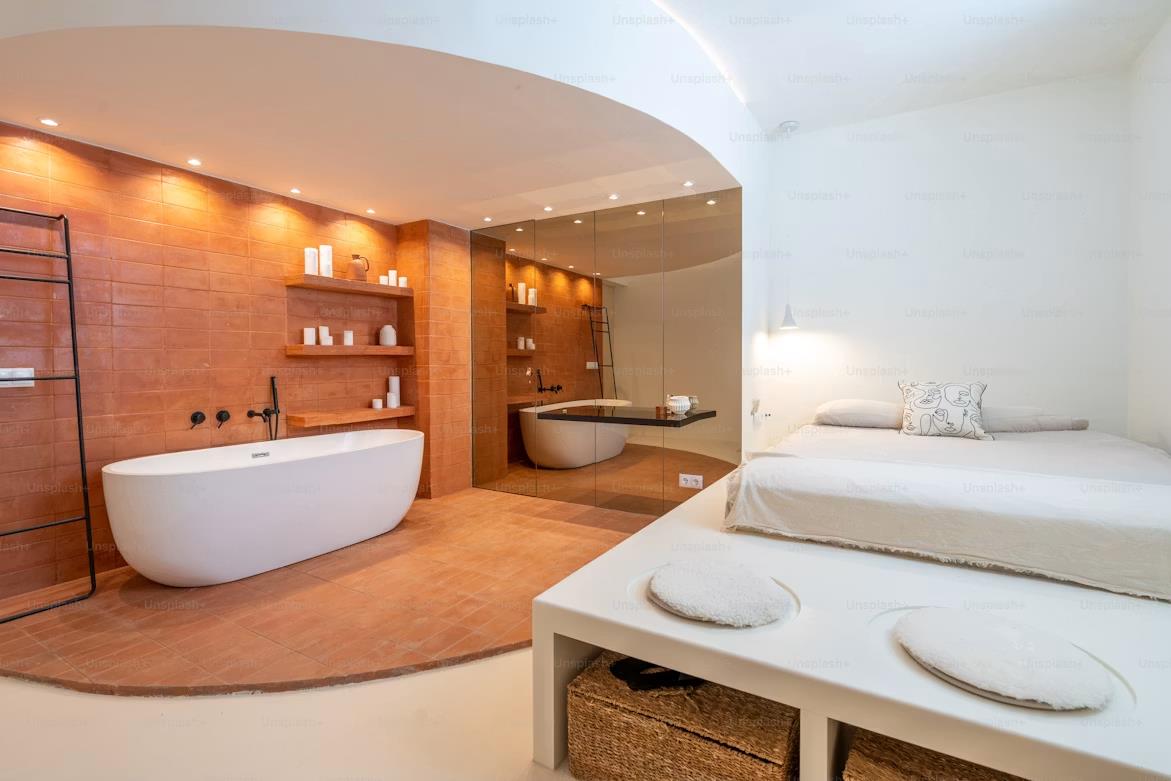
A great recovery room isn’t just about the gear. The space itself matters too.
You want your room to feel serene, organized and welcoming — a place you enjoy being in. There are five elements to keep in mind:
Lighting: Dimmable lights or red light therapy panels are game changers. Bright overhead lights kill the vibe and ramp up stress levels.
Temperature regulation: You need a decent fan/ac since you’ll be sweating in the sauna, then shivering from the cold after.
Sound: A good sound system for peaceful meditations or calming music allows the nervous system to move into a recovery state.
Flooring: Rubber mats or cork flooring is great. It’s durable, comfortable and easy to clean. Carpets should be avoided.
One common error people make when building a pack is overpacking. Simple. Less Stuff. Choose only the equipment you know you will use and give it space to exist.
Common Mistakes To Avoid
Many beginners become impatient and want to jump right into building their recovery area. Don’t rush!
Here are the most common mistakes to watch out for:
- Purchase in bulk: Purchase one or two and add later as you see what you use often
- Picking aesthetics over practicality: That cute sauna that will look so good on Instagram may not be the best sauna for you
- Ignoring electrical requirements: Some equipment needs dedicated circuits
- Skipping ventilation: Saunas and oxygen equipment need proper airflow
- Failing to budget for maintenance: Filters, water treatments and replacement parts can become costly over time
A bit of planning saves you tons of money and frustration down the road.
The individual home oxygen therapy market is already growing at a 8.02% CAGR, which means the equipment becomes more advanced and cheaper every year. Don’t rush – invest wisely and piece your room together with quality products over time.
Bringing It All Together
Investing in a home recovery room is one of the best things you can do for your health in the long run.
Gear is more available, more efficient and cheaper than ever. From an elite athlete to an everyday fitness enthusiast wanting to feel good day-to-day, having the right equipment can change how you work out, sleep and live your life.
To quickly recap:
- Focus on essential, high-impact gear first
- Oxygen concentrator therapy is an absolute game-changer
- Design the space for calm and function
- Start small and build over time
- Avoid the common mistakes that trip people up
Recovery doesn’t have to be optional anymore. It’s the cornerstone of every successful training program … delivered right to your home.