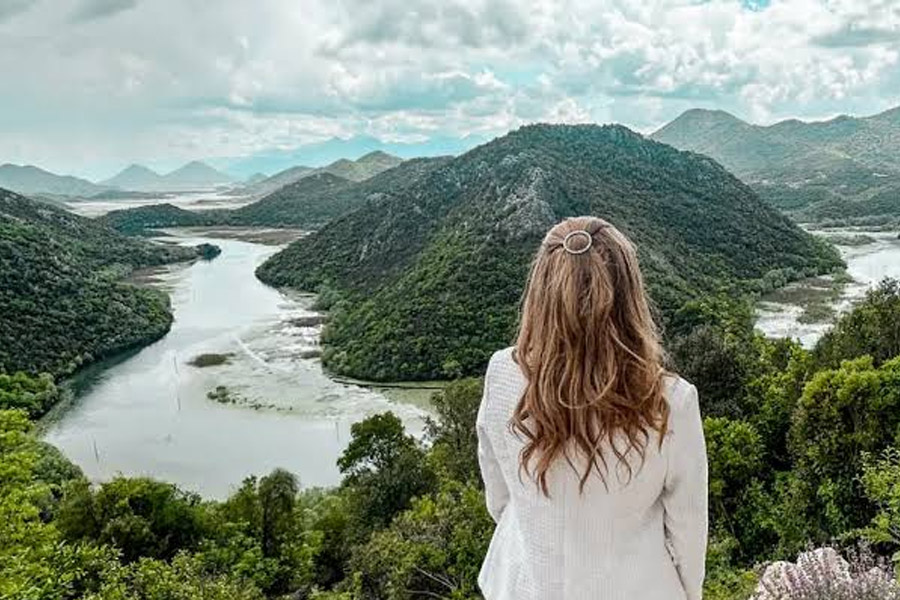
A country the size of Connecticut, Montenegro packs fjord-like bays, medieval walled towns, and mountains topping 8,000 feet into a space you can drive across in a few hours. That compact geography is exactly what makes it tricky to plan for. You could spend a week on the coast and never see the dramatic canyons inland, or bounce around so fast you miss why people fall in love with the place. Here’s what actually helps once you’re on the ground.
Rent a car, but know what you’re getting into
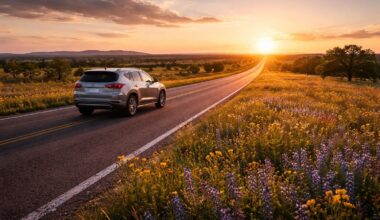
Montenegro’s coastal road between Herceg Novi and Bar is one of the most scenic drives in the Balkans, but it’s also narrow, cliffside, and jammed with tour buses in summer. If you’re comfortable with hairpin turns and occasional traffic standstills near Kotor, a rental car opens up villages and viewpoints that buses skip entirely. Book a smaller vehicle than you think you need, since parking in old towns like Kotor and Budva often means squeezing into spaces barely wider than the car itself.
If mountain driving isn’t your thing, that’s fine too. Buses connect the major coastal towns cheaply and frequently, and Kotor Bay itself is walkable or bikeable once you’re settled somewhere central.
Visit Kotor before 10am or after 5pm
Kotor’s old town is stunning, but cruise ships dock several times a week and can unload thousands of passengers within an hour. By midday, the narrow stone streets inside the walls turn into a slow shuffle, and the climb up to the fortress backs up with foot traffic. Check the cruise schedule online before you go, or just default to early morning, when the light on the bay is better anyway.
Staying overnight inside or near the old town lets you experience Kotor after the ships leave, when the plaza empties out and the restaurants stop rushing you. That quieter version of Kotor is the one worth remembering.
Don’t skip the interior for the coast
Most first-time visitors plant themselves on the Adriatic and never leave it, which means missing Durmitor National Park, the Tara River Canyon, and the old royal capital of Cetinje. Durmitor alone justifies two or three days inland, with hiking trails around Black Lake and one of the deepest canyons in Europe carved by the Tara River. Rafting trips down the Tara run from spring through early fall and require no prior experience.
The temperature difference matters too. Coastal summers regularly hit the mid-90s, while the mountain towns stay noticeably cooler, which makes the interior a smart midsummer escape rather than just a scenic detour.
Carry cash for smaller towns and markets
Montenegro uses the euro despite not being in the EU, which surprises some travelers, but card acceptance is spottier than in Western Europe once you’re outside major hotels and restaurants. Family-run konobas, produce markets, and parking attendants often want cash only. ATMs are common in Kotor, Budva, and Podgorica, but less so in smaller inland villages, so withdraw what you need before heading out for the day.
Small bills help too. Vendors in local markets frequently can’t break a 50-euro note for a 3-euro coffee.
Learn a handful of basic phrases
English is widely spoken in tourist areas, especially among younger Montenegrins working in hospitality, but a little Montenegrin goes a long way in smaller towns and with older locals. Hvala (thank you) and dobar dan (good day) are simple enough to remember and genuinely appreciated. Menus and signage in coastal towns are often bilingual, but inland restaurants may only have Montenegrin, so a translation app is worth having installed before you need it.
Book accommodations early for July and August
Montenegro’s coast gets crowded in peak summer, particularly with visitors from Serbia, Russia, and Western Europe who treat it as a budget-friendly Adriatic alternative to Croatia. Prices in Budva and Kotor can double between June and August, and the best guesthouses fill up months ahead. If flexibility allows, late May, June, and September offer warm weather, thinner crowds, and noticeably better rates without sacrificing beach season.
For visitors who’d rather not plan every stop themselves, several operators run Montenegro tours that combine the coastal highlights with inland stops like Durmitor or the Ostrog Monastery, which is worth building in given how difficult that monastery is to reach independently.
Respect Ostrog Monastery’s dress code and crowds
Built into a sheer cliff face above the Zeta Valley, Ostrog Monastery is one of the most visited religious sites in the Balkans and draws pilgrims from across Orthodox Christian communities. Modest dress is required, meaning covered shoulders and knees for everyone, and the site can involve a fair amount of walking uphill depending on where you park. Weekends and religious holidays bring significant crowds, so a weekday visit gives you a much better sense of the setting.
The road up is steep and narrow with limited parking, so arriving early in the day avoids both the crowds and the traffic bottleneck partway up the mountain.
Montenegro rewards travelers who slow down enough to see past the coastline. The bay towns are worth every photo, but the real texture of the country shows up in the mountain villages, the canyon roads, and the quiet hour in Kotor before the tour groups arrive. Build in time for both, and the trip stops feeling like a checklist and starts feeling like the place it actually is.