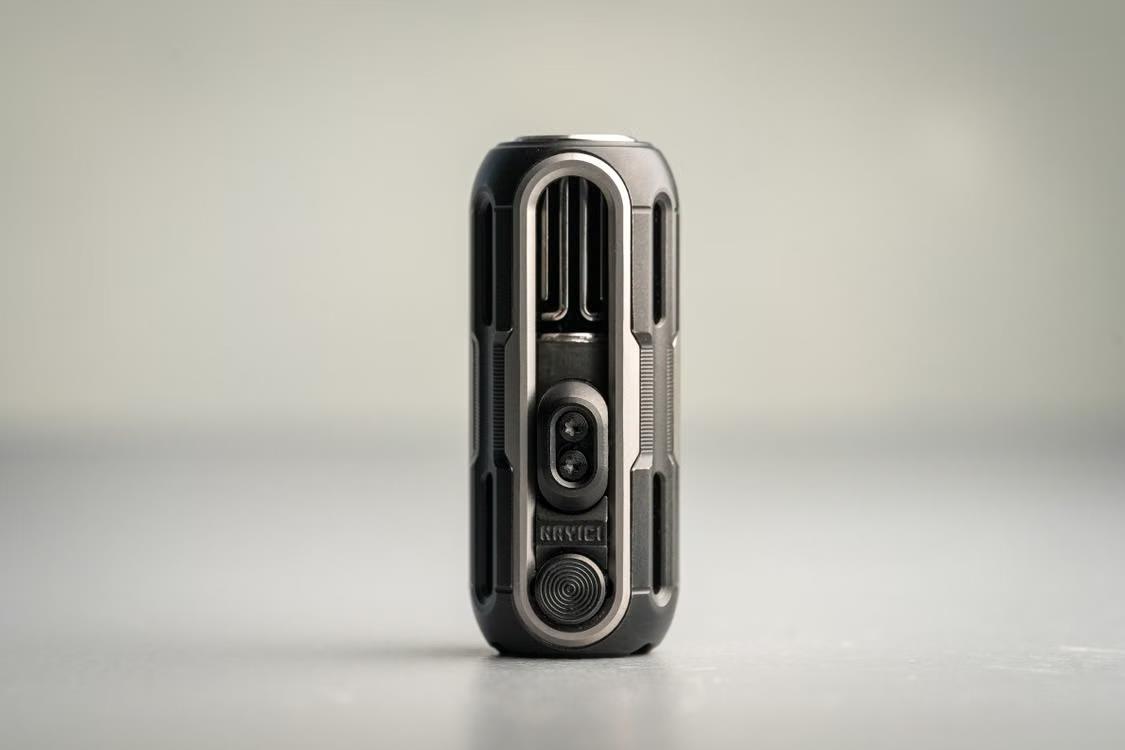
Ever noticed how everything is getting smaller these days?
Wireless ear buds. Portable battery packs. Lifestyle products are getting smaller and more powerful every year. It’s more than a trend – it’s a complete design evolution transforming how brands are designing products today.
Think about it. Ten years ago, a smartwatch barely existed. A pair of decent headphones took up half a bag. Products were bulky by default because that was just… normal. But now? Sleek and small isn’t a nice-to-have anymore. It’s the baseline expectation for pretty much anything worth buying today.
Consumers want it all:
- Sleek looks
- Small footprint
- Serious performance
And brands that fail to deliver? They get left behind fast.
Below are reasons why this trend is happening and why minimalistic and small are now considered the premium standard for lifestyle goods across all categories.
Inside this guide:
- What’s Fueling The Compact Design Boom
- Why Modern Consumers Crave Simplicity
- The Rise Of The Inconspicuous Vape
- Design Features That Define Great Compact Products
- How Brands Are Winning With Minimalism
What’s Fueling The Compact Design Boom
No trends act in isolation and especially when it comes to the smaller is better trend, many powerful forces are converging to move brands to create products that will fit into today’s lifestyles.
Here are the main drivers:
- Urban living and smaller apartments
- Remote work and mobile lifestyles
- Rising demand for discreet products
- Instagram and TikTok aesthetics
Cities are expanding. Living quarters are shrinking. People just don’t have space for large gadgets and huge doodads. Think mini.
Now consider mobility. Today’s consumers are on-the-go. They travel. They commute. They work from coffee shops. They want products they can easily toss in a jacket pocket or throw in their backpack without being burdensome.
Social media is huge too. Clean, minimalist products photograph better, are shared more, and become viral sensations. Cluttered, busy designs just don’t translate well to Instagram close-ups.
Why Modern Consumers Crave Simplicity
The stats speak for themselves… Minimalist design preferences are being driven by consumer habits. Studies indicate that 78% of millennials exhibit buying habits that favor minimalism. Baby boomers? Only 59%.
That’s huge.
It means the largest consuming generation in the world craves streamlined products. Products that are simple. Small and do their job. No fluff. No oversized boxes. Just products that quietly work.
But here’s the economic reality. Seven out of 10 consumers are reducing spending on nonessentials. That means each purchase better earn its keep. Compact packages score big because they:
- Take up less storage space
- Feel more premium in the hand
- Signal thoughtful design
- Fit modern minimalist aesthetics
Fundamentally small products seem crafted. And craftsmanship is more important to the modern consumer than ever before.
The Rise Of The Inconspicuous Vape
One of the clearest examples of compact design taking over? The inconspicuous vape market.
Big box mods and mile-high clouds were vaping’s trademark. That’s changed. Today’s vapers want hardware that fits their lifestyle… something that doesn’t overpower it. They’re reaching for a concealable vape that resembles a car key or USB drive—not a vaping device. The brands that are thriving have fully embraced this evolution of vaping culture by engineering compact, low-profile devices you can keep discreetly in your pocket. An inconspicuous vape won’t call attention wherever you are, be it a rooftop patio, music festival, or peaceful nature walk.
Why is this shift happening now?
Even the vape industry has boomed. Sales of portable cannabis vaporizers hit $2.9 billion in 2024 and rose to $3.3 billion in 2025. Growth like that doesn’t occur unless these products are performing well.
Key features driving demand for the inconspicuous vape:
- Pocket-sized form factor
- Minimal branding and clean lines
- Fast USB-C charging
- No obvious “vape” look
Neither is this just a vape thing. It’s everything. Anything that works for consumers without screaming at them is dominating every product category.
Design Features That Define Great Compact Products
Just because something is small doesn’t make it well made. Sleek design is hard work. Far more than simply miniaturizing.
The best compact lifestyle products share these features:
- Clean minimal aesthetics – no flashy logos or busy patterns
- Premium materials – metal, glass, and matte finishes
- Intuitive controls – one-button operation is everywhere
- Long battery life – smaller doesn’t mean weaker
Look at Apple’s products or Muji’s recent releases… Check out how they fill all four boxes. Simple doesn’t mean cheap. Simple means thoughtful. Everything on that product has earned its spot.
Poorly designed compacts resemble scaled-down versions of older models. Thoughtfully designed compacts look as if they were created small.
Materials are more important when there are fewer of them. A cheap plastic coating screams ten times louder on a compact device than it does on something large. Which is why high-end companies are investing more than ever in matte metals, soft-touch coatings, and glass… even on small items.
How Brands Are Winning With Minimalism
Minimalist brands are taking over customers’ hearts. Why? Because clean cuts appeal to customers on an emotional level.
Consumers now associate simple design with:
- Higher quality
- More trustworthy brands
- Better user experience
- Longer-lasting products
Large brands are taking note. Whether it’s skincare brands such as The Ordinary or tech like Apple, the big winners across most categories are simplifying.
Here’s the thing:
Brands don’t need a large-scale design operation to get on board with this trend. Brands just need discipline — the dedication to stripping away the unnecessary features that don’t benefit users and doubling down on those that do. It’s not about working less. It’s about working intentionally.
That’s what compact design is really about… Doing more with less.
The Bottom Line
Minimal, portable doesn’t just happen to be a trend. It’s where lifestyle goods are heading and brands who don’t embrace it will be left in the dust. Today’s consumer desires:
- Products that fit their lives
- Designs that feel intentional
- Small footprints with big performance
- Discreet, pocket-friendly options
May it be a stealthy vape, a slim wallet or a wireless bud. It all translates over. Less stuff, more intention. Better materials, reduced size. Cleaner lines, higher emotional impact on the consumer.
Companies that are winning right now are taking “minimal” and “small” less as marketing terms and more as an ethos. Consumers around the world in every major economy are showing that this philosophy still has miles to run.
Small is the new big.