Choosing a pool is about more than finding a design that looks good online. The best pool size should match how your household spends time outside, how much yard space you want to keep open, and what you can maintain over time. Homeowners comparing high quality fiberglass pools from Alaglas should think about the full backyard plan before selecting a pool shell.
A pool that fits well in the yard can create a comfortable space for swimming, relaxing, meals, and family time. A pool that is too large may leave little room for seating, walkways, landscaping, or safe access. The goal is not to fill every available foot of space. It is to create a backyard that works well every day.
Why Pool Size Matters
Pool dimensions affect far more than the view from the patio. A larger pool usually holds more water, needs more cleaning, and may require more energy for circulation or heating. It can also reduce the space available for chairs, dining areas, gardens, play areas, and walking paths.
Think about how the pool will be used most often. A couple who wants a quiet evening swim may be happier with a compact pool and a roomy lounge area. A family that hosts cookouts may need more deck space and open seating than extra water depth.
For homeowners seeking expert pool installation in Spartanburg, SC, a site review can help turn those priorities into a layout that feels balanced instead of crowded.
How to Measure the Yard
Start with the usable part of the yard, not the full lot size. Measure property lines, then mark the house, sheds, patios, trees, retaining walls, and other fixed features. Also note slopes, wet spots, shade patterns, and drainage paths that may affect placement.
- Mark property boundaries and fixed structures.
- Identify utility areas, easements, and access routes.
- Reserve space for equipment, fencing, and decking.
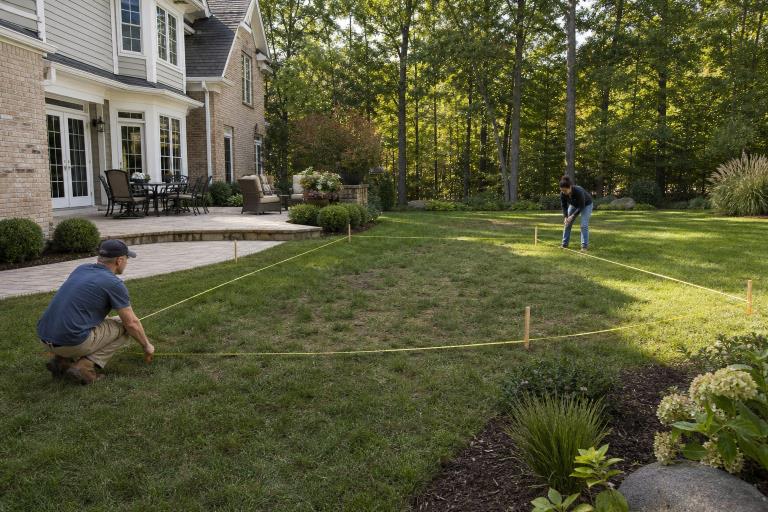
- Use stakes, rope, or chalk to outline possible pool sizes.
- Walk around the outline to test clearances and traffic flow.
Seeing the pool footprint at full scale can prevent surprises. A design that appears modest on paper may feel much larger once it takes up space in the yard.
Match the Pool to Its Main Use
One pool can support several activities, but every design has strengths. Decide what matters most before choosing length, width, depth, and features.
Common Pool Goals
- Exercise:Choose a longer, clearer swimming path with fewer interruptions.
- Family play:Consider easy entry, shallow-water areas, and room to move.
- Entertaining:Plan for dry seating, food areas, and safe paths around the water.
- Relaxation:Focus on shade, comfortable depth, tanning ledges, and privacy.
Be honest about daily habits. A pool built mainly for lap swimming may not be the best fit for frequent group gatherings. Likewise, a wide social pool may not provide the uninterrupted lane an active swimmer wants.
Choose a Shape That Fits the Space
Rectangular pools often work well in modern yards because their straight lines support lap swimming, furniture placement, and simple walkways. Curved or freeform pools can soften a yard with informal landscaping and may fit around trees or existing features.
Look at the pool from inside the house and from the main outdoor seating area. The shape should feel connected to the home, preserve useful walking routes, and leave enough deck space where people will actually gather. Complex curves can be attractive, but they may reduce usable deck area and increase the number of edges to clean.
Plan for Clearance and Local Rules
Before finalizing a design, check local requirements. Setbacks, permits, drainage rules, easements, and utility lines can limit where a pool, deck, or equipment pad may go. HOA standards may also control fencing, finishes, visibility, or construction access.
- Confirm required distances from property lines and structures.
- Call for utility marking before digging plans are approved.
- Ask about permits for the pool, electrical work, decking, and fencing.
- Keep service access open for pumps, filters, heaters, and valves.
Include Safety Features Early
Safety should influence the layout from the beginning. Plan clear sightlines from the home, non-slip walking surfaces, secure gates, good lighting, and safe entry points. A barrier should not be treated as an afterthought, since its location affects the entire yard design.
The CDC’s pool safety guidance recommends close supervision, water safety skills, proper chemical handling, and steps that help prevent unsupervised access. For barrier planning, the CPSC residential pool barrier guidelines provide useful guidance on fences, gates, and access points. Local codes should always be confirmed before construction.
Compare Maintenance and Operating Needs
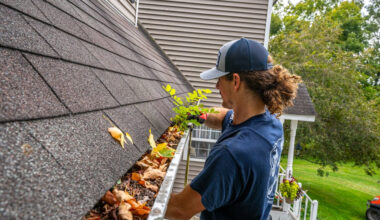
Pool size, water volume, shape, sunlight, and nearby landscaping all affect upkeep. Larger pools can require more water, chemicals, energy, and cleaning time. Heavy leaf fall can create extra work, while a tight equipment area can make future service difficult.
Leave room for covers, cleaning tools, and water-care supplies. Consider how much direct sun the pool receives, especially if heating is important. Planning practical storage and access now can make routine maintenance much easier later.
Common Planning Mistakes to Avoid
- Choosing dimensions before measuring the full usable yard.
- Leaving too little space for seating, walking, or landscaping.
- Ignoring drainage, slope, shade, and soil conditions.
- Blocking the best view from the home or patio.
- Forgetting equipment access and future repairs.
- Assuming an existing fence meets pool barrier requirements.
- Focusing only on installation cost instead of long-term upkeep.
A Simple Pool Planning Checklist
- What will the pool be used for most often?
- How many people will typically use it at one time?
- How much open lawn or patio space should remain?
- Where will people sit, walk, store supplies, and access the pool?
- Which safety features are required or preferred?
- How much time and money can be devoted to regular care?
- What is the full budget for the pool and the surrounding outdoor space?
- Which permits and approvals are needed before work begins?
Conclusion
The right pool size is the one that supports your lifestyle while leaving room for the rest of the backyard to work. Compare a few layouts, test them at full scale, and verify local requirements before making a final decision. A well-proportioned pool can make the entire outdoor space more comfortable, useful, and enjoyable for years to come.