An ordinary day can quickly turn upside down when a window breaks. Suddenly, you have glass on the floor, wind whistling through the opening, and a thousand concerns about who or what could come through it. The best news is that securing your premises after a glass break is simple. It just needs to be done in sequence.
The First 15 Minutes: Stop Anyone Getting Hurt
Before you start worrying about security, worry about safety. Shattered glass creates shards that can be easily overlooked, particularly on patterned carpets or dark floors. Keep children, pets, and anyone not wearing shoes out of the room until you’ve had a thorough scan of the floor.
Don’t rush in to clean up immediately. Stand at the doorway and take stock. Is it a ground-floor window, and your entryway now has street access? Or an upstairs pane that’s only a concern because of the rain blowing in? That distinction changes what you do next. If necessary, keep everybody well away – broken glass can mean a trip to the emergency room, and you don’t want to have to dig out the vacuum cleaner twice in five minutes.
If the glass broke from an obvious impact (i.e. a tree branch in a storm) rather than somebody trying to break in, take photos first. Insurers can be difficult about this sort of thing, and claims are often denied simply for lack of evidence of how the damage happened. If you suspect someone tried to force entry, this step matters even more – the area may need to stay as it is until it’s been looked at properly.
Clearing The Glass Without Adding More Injuries
After the room has been assessed, you should wear thick gloves – gardening gloves will do the job – and begin by removing the largest pieces of glass first. It is important to lift them out rather than sweep them up, sweeping often pushes smaller pieces of glass under furniture or into the carpet where they remain hidden for weeks before someone discovers them, usually with their foot.
For the smaller pieces, a vacuum cleaner works better than a brush frequently going over the area as glass shards are small and easily cling to shoes and socks and walk through the house on the underside of feet.
Toughened glass is slightly different. Although it is designed to break into small pellet-like pieces and not long shards, it is still glass and not something you want to walk across the floor on your bare feet. Laminated glass will remain largely held together by the interlayer even when cracked, so you may have one large, damaged sheet to deal with rather than lots of smaller pieces.
The First Hour: Board It Up Properly
This is something that many people don’t understand. A board propped up from the outside might seem like a quick fix, but in fact, it can be removed in seconds by anybody wanting to gain access. Instead, use plywood or a heavy board from the inside which is then screwed directly into the frame rather than just forced in place. That’s the one that will actually stand up to the weather and to a potential intruder.
A board-up is supposed to tide you over, not to be a permanent solution. It blocks out the rain and makes the opening look less attractive, but it doesn’t actually stop a thief, and it’s not even a great look when it comes to anyone scoping out the neighborhood for an easy mark. Once you’ve sealed things off in a rudimentary manner, the next move is to call someone to come and install real glass. And that’s when it makes a lot more sense to rely on an Emergency glass repair service than to put up with plywood for a few more days. A 24-hour glazier can measure, source, and fit a new pane so quickly that you won’t need to board anything up for a whole week.
Broken ground-floor windows are one of the most common entry points for would-be thieves and boarding it up doesn’t replace the risk with security the way a real fix does.
The Next Day: Repair, Upgrade, And Check The Frame
After the glazier has done their job, do not neglect the frame, sills, and surrounding brickwork. These can frequently suffer damage too, particularly if the breakage has been caused by force. A cracked frame will destabilize even the newest pane of glass. Therefore, you should ask the person fitting the replacement to check these while they are there.
It is also a good time to consider what type of glass you want in your window. Standard float glass will break in the same way it just has. Laminated glass will hold together on impact and not shatter. This makes it far more difficult to get through in a hurry. Toughened glass will not stop a determined thief, but it will slow them down and make plenty of noise in doing so – also very off-putting for opportunistic burglars. If the original breakage happened once, an upgrade now is far cheaper than next time.
Don’t Forget The Paper Trail And The Wider Security Picture
Keep your photos, your glazier’s invoice, and any police reference number together in one place. Insurers move faster with a complete file, and you’ll want it on hand if you need to follow up.
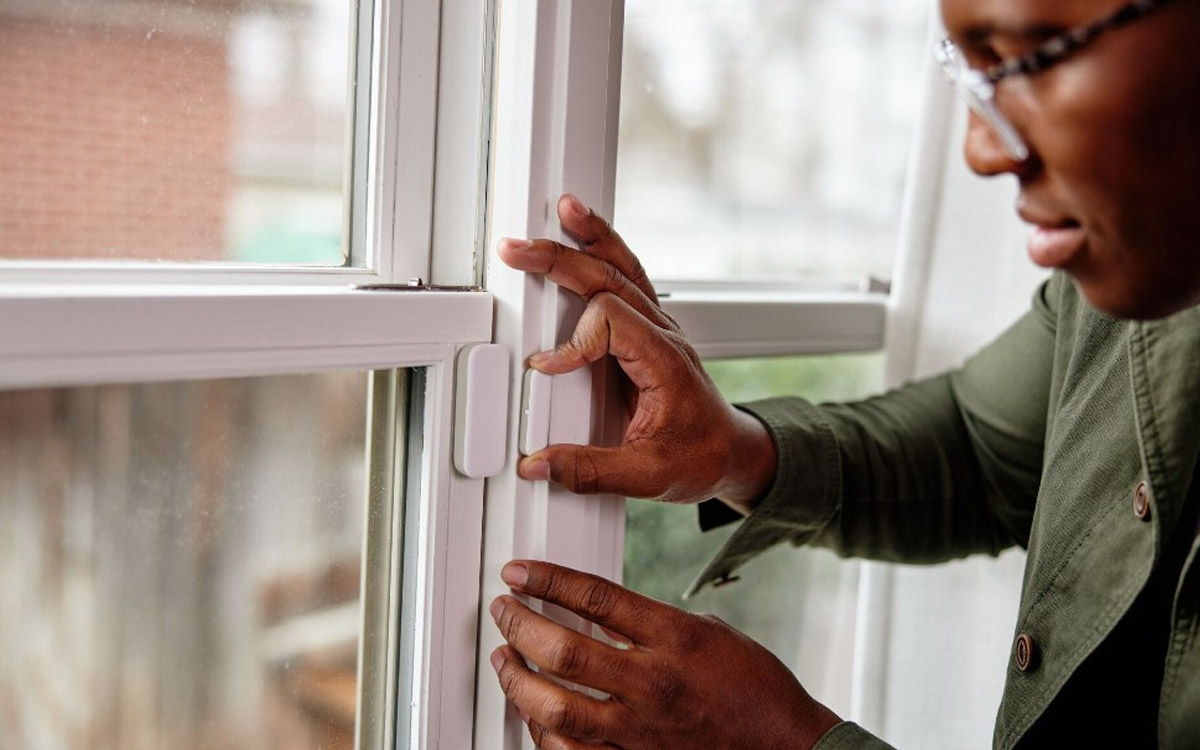
While you’re at it, take a look at the rest of your property safety setup. A broken window is sometimes the moment people realise their alarm hasn’t been armed properly in months, or that a motion sensor light burned out and never got replaced. Fixing the glass matters, but pairing it with basic home security – alarms, sensors, a camera near the entry point – closes the gap that let the problem happen in the first place.
A broken window feels chaotic in the moment, but it’s a manageable sequence once you know the order: clear the danger, document it, seal it properly, then get it fixed for good. Handle it in that order and you’ll have your property back to normal – and genuinely secure – well before you’d have thought possible standing in that doorway an hour earlier.