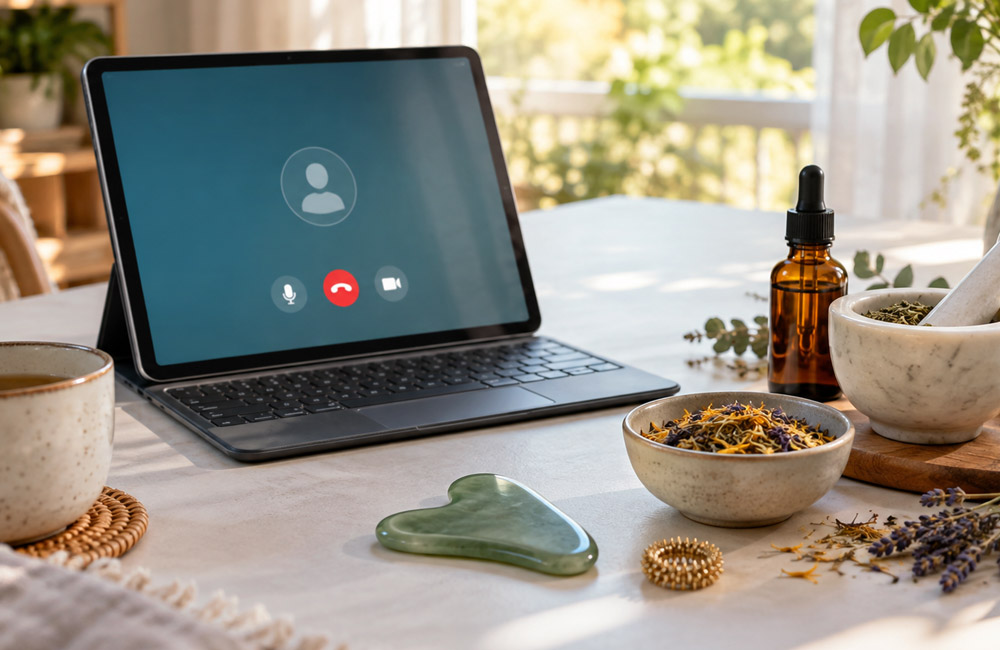
Natural therapies have a long history and a wide following, but they can be hard to make sense of from the outside. The language is often vague, the claims range from sensible to overblown, and it is not always clear what you can actually access or how. Telehealth has changed part of that picture by making it easier to talk with a doctor about these options from home. This guide explains, in plain terms, what natural therapies are, how a telehealth consultation works, and what to keep in mind so your care stays safe and joined up.
What “natural therapies” actually covers
“Natural therapies” is a broad label rather than a single thing. It generally refers to approaches that focus on lifestyle, diet, and the body’s own processes, often used alongside conventional medicine. In practice it takes in areas such as nutritional and herbal medicine, along with lifestyle-based approaches to sleep, stress, and general wellbeing. Some people also group practices like mindfulness and gentle movement under the same heading.
Because the label is so broad, the evidence behind different therapies varies a great deal. Some approaches have reasonable support for supporting general wellbeing, while others have very little. This is worth knowing before you start, because it helps you weigh what is reasonable for your situation rather than assuming everything under the “natural” banner works equally well. A useful rule of thumb is that natural therapies may support how you feel day to day, but they are not a substitute for medical treatment when you need it.
How telehealth makes these therapies easier to access
The main thing telehealth changes is access. Instead of travelling to a clinic, you can speak with an Australian doctor by phone or video from home, which removes a lot of the practical barriers that used to get in the way. That matters if you live in a regional or rural area, if getting to appointments is difficult, or if you simply prefer the convenience of a consultation you can fit around work and family.
A telehealth consultation for a whole-person or natural therapies approach usually starts with a proper conversation. Rather than focusing on one symptom in isolation, the doctor asks about your history, your lifestyle, your sleep and stress, and what you have already tried. From there they can offer general guidance and talk through options that may suit you. Any prescribing stays at the doctor’s discretion, and a good consultation is honest about what is and is not likely to help.
What a first consultation is like
If you have never done this before, it helps to know what to expect. After a short eligibility check, you choose an appointment time, often with after-hours and weekend options, and connect with the doctor at the booked time. There is no waiting room and no travel, and you can take the call somewhere you feel comfortable, which many people find makes it easier to talk openly.
During the appointment, it is worth being upfront about your full health picture, including any medicines or supplements you take. This is not just a formality. Some natural products can interact with prescription medicines, so telling your doctor helps keep your care safe. It is also a good idea to come with a sense of what you are hoping to address, since that gives the doctor useful context and makes the time more productive.
Keeping natural therapies safe and joined up
The safest way to use natural therapies is alongside your regular medical care, not instead of it. Your GP remains central for diagnosis and for managing anything serious or ongoing, and a whole-person or natural therapies approach is best thought of as an addition to that care. If a therapy is ever presented as a replacement for proven medical treatment, that is a reason for caution.
It also pays to be a considered consumer. Be wary of anything that promises guaranteed results, and remember that a product being available does not prove it works for a particular purpose. When in doubt, discuss the option with your doctor before starting, especially if you have an existing condition, are pregnant, or already take regular medicines. A short conversation up front can save a lot of trouble later.
Key Things to Know About Natural Therapies and Telehealth
Natural therapies are a broad category, not one treatment. They cover lifestyle, nutritional, and wellbeing-focused approaches, and the evidence behind each varies, so it helps to be selective.
Telehealth mainly improves access. It lets you talk through these options with an Australian doctor from home, which is especially useful in regional and rural areas or when getting to a clinic is hard.
They work best alongside conventional care. Natural therapies may support your general wellbeing, but they are not a replacement for medical treatment, and your GP should stay central to your care.
Being open keeps you safe. Tell your doctor about any supplements or products you use, since some can interact with prescription medicines, and discuss new options before starting them.
Frequently Asked Questions
What are natural therapies?
Natural therapies are approaches that focus on lifestyle, diet, and the body’s own processes, often used alongside conventional medicine. They cover a broad range of practices, and the evidence behind each one varies.
Can I access natural therapies through telehealth in Australia?
Yes. Telehealth lets you discuss whole-person and natural therapy approaches with an Australian doctor by phone or video from home. Your doctor will let you know if something is better handled in person.
Are natural therapies a replacement for seeing my GP?
No. They may support your general wellbeing, but they are not a substitute for medical care. Your GP remains central for diagnosis and for anything serious or ongoing.
Do I need to tell my doctor about supplements I take?
Yes. Some natural products and supplements can interact with prescription medicines, so telling your doctor helps keep your care safe and effective.