Key Takeaways
- Confirm the VIN, engine, trim, and original part number before ordering.
- Compare total repair value, including fitment, warranty, labor, and expected service life, not price alone.
- OEM, aftermarket, used, and remanufactured parts each suit different repair needs.
- Use extra care when selecting parts related to braking, steering, airbags, tires, fuel delivery, or driver-assistance systems.
- Keep receipts, repair orders, warranty details, and photos of the original component.
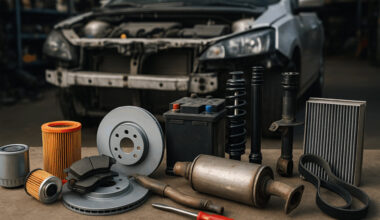
Tampa drivers ask a lot of their vehicles. Daily traffic, intense sun, summer downpours, heat, humidity, and occasional coastal salt exposure can all make dependable maintenance more important. When it is time for a repair, choosing the right car parts Tampa drivers need starts with more than finding a listing that looks similar to the old component.
A replacement part must match the vehicle closely enough to install correctly and perform as intended. That means checking vehicle-specific information before shopping, then weighing quality, warranty coverage, installation requirements, and the part’s role in the vehicle’s safety and reliability.
Why Correct Fitment Matters in Tampa
Two vehicles with the same model name can use different parts because of engine choices, trim packages, production dates, sensor connectors, brake packages, or drivetrain configurations. A cabin filter, headlamp assembly, brake pad set, or alternator may look nearly identical in a product photo while having different mounting points or electrical connections.
For Tampa commuters, a poor fit can mean more than an inconvenient return. It can leave a vehicle unavailable when needed for work, school runs, hurricane-season preparation, or a long drive across the Bay Area. The least expensive listing is not necessarily the best value if it creates extra labor, delays, or another repair appointment.
Before making a final choice, shoppers looking for Tampa auto parts should compare the exact application, supplied hardware, warranty terms, and installation needs. A part that fits the first time correctly can make a routine repair simpler and more predictable.
Vehicle Details to Gather Before Shopping
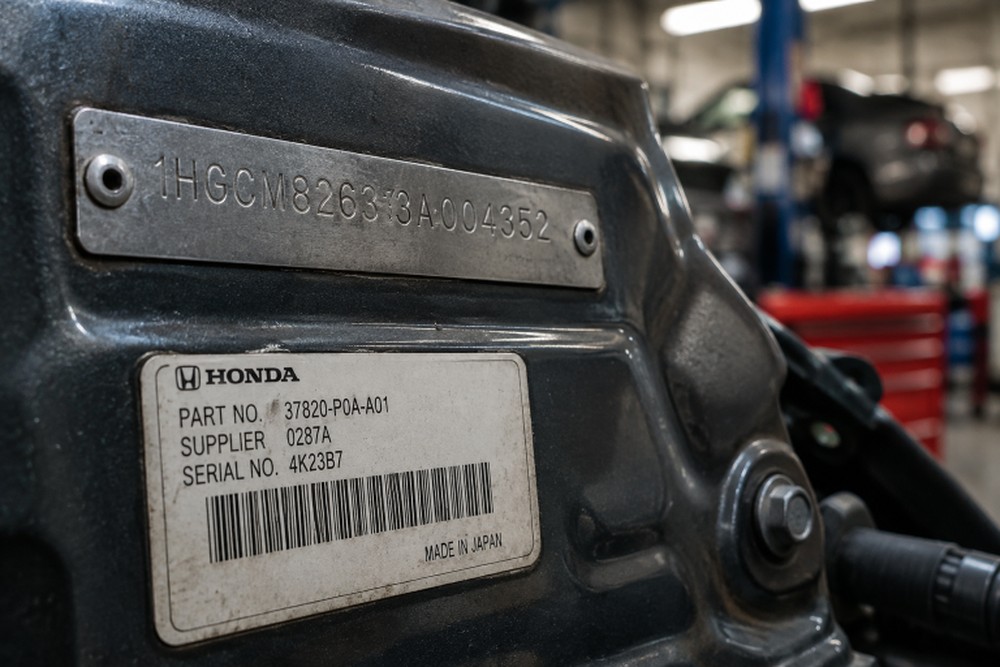
Collect the vehicle identification number, year, make, model, engine size, fuel type, trim level, body style, transmission, and the original part number when available. The VIN is especially useful because it helps distinguish vehicles that share a model name but have different factory equipment.
The VIN is commonly visible through the lower corner of the windshield on the driver’s side and may also appear on registration and insurance documents. Take clear photos of the removed part, including labels, plugs, bolt locations, hose fittings, and mounting tabs. Those details can prevent confusion when a supplier asks for verification.
OEM and Aftermarket Parts: How to Compare Them
OEM parts are made for the vehicle manufacturer or produced to its specifications. They are often a straightforward choice when predictable fit and familiar design are priorities. Aftermarket parts are made by independent manufacturers, and quality can vary by brand, material, engineering, and category.
- OEM may be a strong option for: body electronics, sensor-dependent components, trim pieces, and repairs where exact matching matters.
- Aftermarket may be a strong option for: routine maintenance items, replacement wear parts, or products from an established manufacturer with clear specifications.
- Either option requires review: verify what is included, whether new seals or hardware are needed, and whether the warranty fits the repair.
When comparing estimates, ask for parts and labor to be listed separately. The written estimate should identify the repair, needed parts, and anticipated labor charge, making it easier to understand the full cost before work begins.
When Used or Remanufactured Parts Make Sense
Used parts can be practical for certain repairs, particularly body panels, mirrors, interior trim, wheels, and other components where condition can be inspected closely. A matching used door or mirror can be a sensible solution when appearance and cost matter, provided its condition, color match, and mounting points are checked. Parts pulled from vehicles that spent years in northern salt-belt states may show underbody or bracket corrosion, while parts from Florida vehicles may show sun-faded trim or heat-brittle plastic, so inspect them carefully before installation.
Remanufactured parts are previously used components restored to working condition through rebuilding and testing processes. Starters, alternators, brake calipers, and some steering components are commonly available in remanufactured form. Before buying, ask whether the part has been tested, which components are included, whether a core return is required, and whether labor is covered if the part fails.
Parts That Need Extra Safety Checks
Brakes, tires, steering components, suspension parts, seat belts, airbags, fuel-system parts, and advanced driver-assistance sensors deserve greater scrutiny. Select components that match the vehicle’s requirements, follow the manufacturer’s repair procedures, and avoid installing safety-related parts when their origin, condition, or compatibility is unclear. In Tampa’s hot, humid climate, rubber hoses, fuel-system seals, and electrical connectors can age faster, so a replacement part should be compatible with the vehicle and suited to local conditions.
Before paying for a repair that may relate to a known defect, use the VIN recall lookup to check for unrepaired safety recalls. A recall remedy follows a different process from ordinary maintenance, so confirming status first can prevent unnecessary spending.
How to Avoid Common Ordering Mistakes
- Do not rely on a stock photo as proof of fitment.
- Do not assume every version of one model uses the same part.
- Match connector shape, sensor placement, mounting holes, and included hardware.
- Check production-date notes when a catalog lists them.
- Read the return policy before opening packaging or arranging installation.
- Keep the old component until the replacement has been compared and confirmed.
- Make sure the underlying problem was diagnosed before replacing a part.
DIY Installation Versus Professional Service
Some tasks, such as replacing wiper blades, air filters, cabin filters, bulbs, or certain batteries, may be manageable for a prepared vehicle owner. Tampa’s heat can shorten battery life and stress wiper and cabin components, so these jobs are often worth checking early in the year. More complex repairs can require diagnostic equipment, torque specifications, programming, alignment, fluid bleeding, or safety procedures.
Brake hydraulic work, airbag components, high-voltage systems, steering and suspension repairs, and camera or radar calibration are examples where professional service is often appropriate. Include installation time in the decision. A lower-priced part may cost more overall if it takes longer to fit, requires additional hardware, or fails prematurely.
Warranty, Returns, and Repair Records
Review warranty length, exclusions, proof-of-purchase rules, and whether labor reimbursement is included. Electrical parts, special-order items, opened packages, and installed components can have stricter return policies. Keep the receipt, part number, purchase date, mileage, installation date, warranty paperwork, and final repair invoice.
A Simple Tampa Parts-Buying Checklist
- Confirm the VIN and exact vehicle configuration.
- Record the original part number and photograph the old part.
- Compare the new component before installation.
- Review the manufacturer, specifications, warranty, and return terms.
- Confirm whether seals, clips, fluids, or other supporting hardware are included.
- Check recall status before purchasing a safety-related repair part.
- Save every receipt and repair record for future maintenance decisions.
Conclusion
Choosing replacement parts for a Tampa vehicle requires more than comparing prices or matching a product photo to the original component. Verify the VIN, part number, and exact vehicle configuration, then consider compatibility, manufacturer quality, warranty coverage, installation costs, and expected service life. Give safety-critical components extra attention and keep detailed purchase and repair records in case a warranty claim or future replacement is needed. Taking these steps can help Tampa drivers make more reliable repair decisions while avoiding unnecessary expenses and preventable fitment problems.