Key Takeaways
- Flexible, dynamic office designs are becoming the standard to accommodate hybrid work models.
- Integration of advanced technology is essential for seamless collaboration.
- Employee well-being and sustainability are central to modern office planning.
As companies navigate the ever-changing landscape of work, it’s vital to stay attuned to the latest trends shaping office environments. With the rise of remote and hybrid work models, organizations must craft spaces that support both productivity and employee satisfaction. Whether you’re evaluating options for a Manhattan office rental or planning a full office overhaul, knowing how to optimize your workspace is key to success in today’s business climate.
Office design is no longer just about desks and chairs. Successful workplaces are evolving into sophisticated hubs that blend flexibility, advanced technology, and well-being to create environments where people can thrive. As we look ahead, it’s clear that modern office spaces are being shaped by shifting employee expectations and technological advancements.
Embracing Flexibility in Office Design
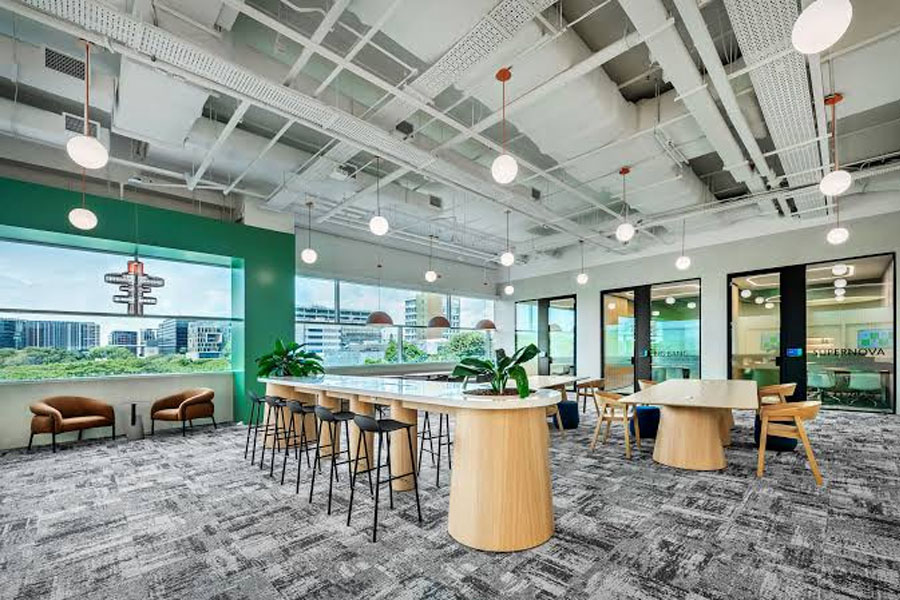
With the shift to hybrid and flexible work arrangements, rigid office layouts are quickly falling out of favor. Modern businesses are adopting open floor plans and adaptable zones that can easily be transformed to meet changing team needs. This flexibility not only allows for reconfigured workspaces depending on headcount but also fosters a culture of innovation and collaboration. Providing areas for both group projects and solo work supports varying work styles and empowers employees to choose spaces that best suit their daily activities.
Modular furniture, movable partitions, and multipurpose rooms are just a few of the features that give office managers versatility in space planning. According to Harvard Business Review, organizations adopting activity-based working models have reported improved employee engagement and better use of real estate.
Integrating Advanced Technology
Seamless, smart technology lies at the core of today’s connected office. From AI-equipped video conferencing rooms to integrated smart lights and sensors, modern offices are designed to facilitate efficient collaboration between on-site and remote workers. Ultra-wide monitors and cloud-based productivity suites help reduce friction and ensure all team members, regardless of location, enjoy a consistent work experience.
Companies are also investing in technology that solves long-standing pain points, such as unreliable connectivity or poor audio-visual quality during meetings. Touchless entry systems and integrated booking platforms for conference rooms are becoming more common, reflecting a commitment to safety, efficiency, and user experience.
In addition to these upgrades, “digital twins” and smart building management solutions are gaining traction in forward-thinking companies. Digital twins, virtual models of physical office environments, enable real-time monitoring and optimization of everything from energy use to meeting room availability. Businesses can leverage this cutting-edge approach to track trends, identify bottlenecks, and further improve workplace experiences. Employees benefit from intelligent climate control, automated lighting, and personalized space settings, all orchestrated for maximum comfort and productivity. This holistic integration represents a paradigm shift in how companies approach both day-to-day operations and long-term strategic planning.
Prioritizing Employee Well-Being
Employee wellness now takes center stage in office design. Research has shown that environments with natural light, ergonomic furniture, and dedicated relaxation spaces correlate with higher job satisfaction and lower turnover rates. Features such as indoor plant walls, dedicated wellness rooms, and access to on-site fitness studios are increasingly incorporated into modern workspaces.
Some companies are blurring the lines between work and wellness by merging offices with fitness facilities or meditation zones. These “workplace-plus” environments cater to the holistic needs of employees, recognizing that physical and mental health are essential for sustained productivity and creativity.
Beyond these amenities, more organizations are supporting mental health and social connection through dedicated mindfulness programs, counseling services, and even “unplugged” areas where technology use is limited. These initiatives not only contribute to a happier workplace but also help reduce stress, absenteeism, and burnout. Companies are increasingly realizing the business benefits of a comprehensive wellness approach and are prioritizing investments that foster a healthy, resilient workforce.
Sustainability in Office Spaces
Sustainability is no longer an afterthought in office design. Companies are integrating eco-friendly practices into every aspect of their spaces, from construction materials to daily operations. The use of recycled, natural, and non-toxic materials is on the rise, along with investment in energy-efficient lighting and HVAC systems.
Large windows and skylights not only provide aesthetic benefits and boost morale but also help offices reduce dependence on artificial lighting. Incorporating green design principles reduces a company’s carbon footprint and aligns its values with growing employee and client concerns about environmental impact.
Additionally, certification programs such as LEED and WELL are gaining popularity as organizations demonstrate their commitment to sustainable and healthy workspaces. These certifications acknowledge efforts in indoor air quality, water efficiency, and the use of locally sourced materials. Employees increasingly value working for companies whose office spaces reflect environmental consciousness and a broader sense of corporate responsibility.
The Rise of Activity-Focused Workspaces
Instead of one-size-fits-all spaces, today’s offices often include purpose-specific areas, such as focused work zones, collaboration hubs, and informal lounges. By clearly defining these spaces, companies give employees autonomy over their work environments and ensure they have the resources needed for every task.
These activity-based spaces facilitate both deep concentration and lively brainstorming, helping everyone maximize their productivity throughout the day. Social zones and break rooms also foster relationship-building and morale, which are key to organizational culture and long-term business success.
As organizations grow and employee preferences diversify, the need for even more granular and adaptive workspace solutions is likely to accelerate. Forward-thinking office designs are now experimenting with modular acoustic pods, creative brainstorming corners, and flexible communal areas equipped for everything from casual team huddles to impromptu training sessions. Organizations that empower their people by offering diverse work environments will position themselves to attract, retain, and inspire top talent well into the future.
Adapting to the Future of Work
As workplace expectations continue to evolve, adaptability remains the cornerstone of office design. Layouts must be able to adapt to shifting team sizes, remote work strategies, and technological advancements. By implementing flexible environments, cutting-edge technology, and a wellness-driven design philosophy, companies can ensure their office spaces remain resilient and attractive for years to come.
Continuing to monitor trends in office design is paramount for business leaders who want to keep their teams engaged and competitive in a fast-paced world.
Ultimately, the integration of flexible layouts, smart technologies, wellness initiatives, and sustainability practices is redefining what it means to create a successful office environment. Leaders who proactively invest in these trends signal their commitment to innovation and employee satisfaction, ensuring the workplace continues to be a driving force for productivity and growth even as the way we work keeps evolving.