Common Heating and Plumbing Vulnerabilities in Residential Homes
Even the most robust home systems are susceptible to wear and tear, especially in a dynamic climate like Melissa, TX. Understanding the common vulnerabilities in your heating and plumbing systems is the first step toward proactive maintenance and preventing costly emergency repairs. Factors such as significant temperature fluctuations between seasons, the natural aging and component wear of mechanical parts, and potential pressure imbalances within plumbing and ductwork systems can all contribute to energy waste and eventual breakdowns. In Melissa, where nearly half of all residents rely on natural gas furnaces, understanding these specific vulnerabilities is particularly important for maintaining efficient and safe heating.
Identifying Warning Signs in Heating Systems
Your furnace often provides subtle clues before a complete breakdown. Learning to recognize these warning signs can save you from unexpected discomfort and expense.
One of the most frequent issues homeowners encounter is ignition failure or problems with the pilot control. If your furnace struggles to ignite, or the pilot light frequently goes out, it’s a clear signal that something is amiss with the ignition system. Strange noises emanating from your furnace—such as banging, squealing, grinding, or rattling—often indicate mechanical problems like loose components, worn belts, or issues with the blower motor. These sounds should never be ignored, as they can escalate into more severe damage.
Another common complaint is short cycling, where the furnace turns on and off frequently without completing a full heating cycle. This can be caused by anything from a clogged air filter to a faulty thermostat or an improperly sized unit. Blower malfunctions, such as the blower running constantly or not at all, can severely impact heating distribution and efficiency. Furthermore, a burning smell, often indicative of burner soot accumulation or an electrical issue, requires immediate attention. Uneven heating throughout your home, with some rooms being significantly colder than others, suggests problems with airflow, ductwork, or the furnace’s ability to produce consistent heat. Addressing these signs promptly can prevent minor issues from becoming major repairs.
Recognizing Plumbing and Ductwork Inefficiencies
While often out of sight, your home’s ductwork and plumbing systems play a critical role in overall comfort and efficiency. Inefficiencies here can directly impact your furnace’s performance and your energy bills.
Duct leakage is a pervasive problem, with improperly sized or sealed ducts potentially reducing HVAC system efficiency by up to 30%. This means your furnace works harder to heat your home, leading to higher energy consumption and increased wear on components. Leaks also contribute to thermal loss, where heated air escapes into unconditioned spaces like attics or crawl spaces, and can lead to issues with air distribution, resulting in hot and cold spots. Ensuring proper sealing standards and regular inspection of your ductwork is crucial.
In plumbing, issues like pressure loss can affect everything from water heater efficiency to overall water delivery. While less directly tied to furnace operation, a robust plumbing system is part of a healthy home infrastructure. Pipe corrosion, drainage backup, and other plumbing issues can also contribute to overall home maintenance costs. Addressing these inefficiencies holistically contributes to a more comfortable, energy-efficient, and ultimately affordable home environment.
Key Components of Reliable HVAC and Plumbing Solutions
Achieving and maintaining affordable furnace repair in Melissa, TX, goes beyond just fixing problems when they arise. It involves a commitment to comprehensive solutions that prioritize safety, efficiency, and longevity. Reliable HVAC and plumbing services focus on preventative measures and expert diagnostics to ensure your home systems operate optimally. This is especially vital in October 2026, as homes in Melissa continue to age and new construction demands high standards.
Diagnostic Standards for Reliable HVAC and Plumbing Solutions
The foundation of effective and affordable furnace repair lies in accurate diagnostics. Without precisely identifying the root cause of an issue, repairs can be temporary, inefficient, and ultimately more expensive. A skilled technician employs a range of diagnostic tools and expertise to assess your system thoroughly.
This includes troubleshooting accuracy to pinpoint electrical faults, sensor malfunctions, or mechanical wear. Electrical testing ensures all components receive proper power and that safety circuits are functioning correctly. Combustion analysis is critical for gas furnaces, verifying safe and efficient burning of fuel and preventing carbon monoxide hazards. Furthermore, proper system sizing is paramount; an improperly sized furnace will lead to inefficiency, poor performance, and a shortened lifespan, regardless of its quality. When seeking services, look for providers who emphasize thorough and accurate diagnostics expert solutions to ensure you’re getting repairs that last and address the core problem, rather than just a symptom. This approach saves you money in the long run by avoiding repeat visits and unnecessary part replacements.
Preventive Tune-Ups and Safety Inspections
Regular maintenance is arguably the most effective strategy for ensuring affordable furnace repair and extending the life of your heating system. An annual tune-up is not just about cleaning; it’s a comprehensive check-up designed to catch potential problems before they escalate.
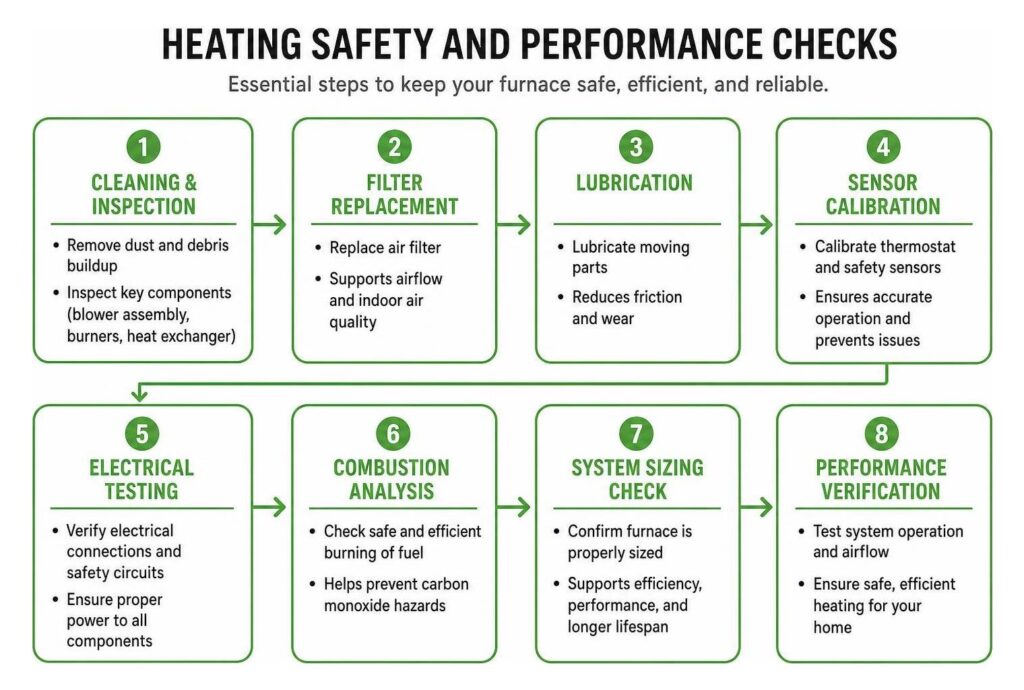
Essential heating safety and performance checks include:
- Cleaning and Inspection: Dust and debris buildup can hinder efficiency and lead to breakdowns. Technicians clean critical components like the blower assembly, burners, and heat exchanger.
- Filter Replacement: A clean air filter is fundamental for airflow and indoor air quality. Regular filter changes prevent strain on the furnace and improve efficiency.
- Lubrication: Moving parts require lubrication to reduce friction and wear.
- Sensor Calibration: Thermostat and safety sensors must be accurately calibrated to ensure proper operation and prevent overheating or short cycling.
- Safety Shutoff Testing: Critical safety features, such as the high-limit switch and flame sensor, are tested to ensure they will shut down the furnace if a hazardous condition arises.
- Carbon Monoxide Testing: Crucial for gas furnaces, this test detects any potential leaks of this odorless, colorless, and deadly gas.
- Heat Exchanger Inspection: A cracked heat exchanger can leak carbon monoxide and is a serious safety concern.
These preventive measures not only enhance energy efficiency and extend your furnace’s lifespan by several years but also significantly reduce the likelihood of unexpected and costly emergency repairs. Furnaces typically reach the end of their life after 15 years, but annual tune-ups can help them perform optimally throughout that period.
Evaluating Repair vs. Replacement: Making Cost-Effective Decisions
One of the most challenging decisions a Melissa homeowner faces when their furnace acts up is whether to repair it or invest in a new system. This choice has significant implications for both immediate costs and long-term savings. As of October 2026, with energy costs fluctuating and technology advancing, this decision requires careful consideration of equipment lifecycle, utility expenses, system reliability, and warranty coverage.
The 50 Percent Rule and Equipment Age
A widely accepted guideline in the HVAC industry is the “50 percent rule.” This rule suggests that if the cost of a repair is 50% or more of the cost of a new furnace, replacement is generally the more economical choice. This is especially true for older units. Furnaces over 15 years old should generally be considered for replacement if repair costs exceed this threshold.
Consider the following factors when weighing repair vs. replacement:
Factor Repair Considerations Replacement Considerations Equipment Age Unit is less than 10-12 years old. Unit is 15 years or older (end of typical lifecycle). Repair Frequency Infrequent, minor issues. Frequent breakdowns, multiple repairs in recent years. Repair Cost Minor part replacement, less than 50% of new unit cost. Major component failure (e.g., heat exchanger), over 50% of new unit cost. Efficiency Unit still operates relatively efficiently. Unit is inefficient, leading to high utility bills. Reliability System provides consistent, dependable heat. Unreliable, prone to unexpected failures, especially in cold weather. Safety No safety concerns (e.g., no carbon monoxide leaks). Safety concerns present (e.g., cracked heat exchanger). Warranty Repairs covered under existing warranty. Existing warranty has expired. While an emergency repair might seem like the quickest fix, the capital costs and depreciation of an aging unit, combined with the potential for future breakdowns, often make replacement a wiser long-term investment.
Long-Term Value of Reliable HVAC and Plumbing Solutions
Investing in a new, high-efficiency furnace offers substantial long-term value, particularly for Melissa residents looking to save money on heating. Modern high-efficiency furnace installations can reduce heating costs by 40% or more compared to systems installed just 15 years ago. This is largely due to improved AFUE (Annual Fuel Utilization Efficiency) ratings, which indicate how efficiently a furnace converts fuel into usable heat.
Beyond the furnace itself, optimizing your home’s thermal envelope can significantly enhance efficiency. This includes ensuring proper duct sealing to prevent the 30% efficiency loss caused by leaks. Many utility companies also offer rebates for installing high-efficiency systems, further offsetting the initial cost. The reduced operating overhead and increased comfort provided by a reliable, modern system contribute to a more affordable and enjoyable home environment for years to come. When planning for the future, consider not just the immediate repair bill, but the overall impact on your energy consumption and home value.
Frequently Asked Questions About Residential Systems
Homeowners in Melissa, TX, often have questions about maintaining their heating and plumbing systems to ensure longevity, efficiency, and affordability. Understanding diagnostic routines, budgeting for preventative maintenance, and prioritizing equipment safety are key to a comfortable home, especially as we head into another North Texas winter in October 2026.
How often should home heating and plumbing systems be inspected?
For optimal performance and to prevent unexpected breakdowns, we recommend an annual inspection for your heating system, ideally before the colder months set in. This annual tune-up ensures that your furnace is clean, efficient, and safe. For plumbing systems, while a full annual inspection isn’t always necessary, regular checks for leaks, proper drainage, and consistent water pressure are advisable. Bi-annual servicing for HVAC systems (once for heating, once for cooling) is even better, addressing seasonal demands. Additionally, simple homeowner tasks like checking filter schedules and performing visual plumbing pressure checks can go a long way in early detection of issues. Proactive maintenance is the best defense against costly emergency repairs.
What is the average lifespan of a residential gas furnace?
The average lifespan of a residential gas furnace is typically between 15 and 20 years. However, this can vary significantly based on several factors, including the quality of the initial installation, the frequency and thoroughness of maintenance, and the intensity of use. A furnace that receives annual tune-ups and regular filter changes is more likely to reach or even exceed its 15-year lifecycle. Conversely, a neglected system may experience equipment depreciation much faster, leading to premature failure. Key components like the heat exchanger are vital for the furnace’s operation and safety; issues with this part often necessitate replacement, regardless of the unit’s age. Understanding your furnace’s age and its maintenance history is crucial for planning a replacement timeline and avoiding unexpected heating outages.
How do duct leaks affect heating efficiency and repair frequency?
Duct leaks have a substantial negative impact on your home’s heating efficiency and can indirectly increase the frequency of furnace repairs. As mentioned earlier, improperly sealed ducts can lead to a 30 percent efficiency loss, meaning a significant portion of your heated air never reaches its intended destination. This thermal loss forces your furnace to run longer and work harder to maintain the desired temperature, leading to increased energy bills.
The constant strain on the furnace due to poor airflow and static pressure issues can also lead to premature wear and tear on components like the blower motor. An overworked blower motor is more prone to failure, requiring more frequent repairs. Additionally, leaky ducts can pull in dust and contaminants from unconditioned spaces, leading to dirtier filters and potentially impacting indoor air quality and the internal components of your furnace. Addressing duct leaks through professional sealing is a highly effective way to improve efficiency, reduce energy costs, and extend the life of your furnace.
Conclusion
Ensuring your home’s furnace provides reliable and affordable heating in Melissa, TX, is a priority for every homeowner. As we’ve explored, achieving this involves a combination of proactive maintenance, informed decision-making, and partnering with trusted professionals. By understanding common vulnerabilities, recognizing early warning signs, and committing to regular tune-ups, you can significantly extend your system longevity and prevent costly emergency repairs.
When faced with the repair-versus-replace dilemma, remember the 50 percent rule and consider the long-term energy savings and enhanced comfort that a modern, high-efficiency system can provide. Prioritizing diagnostic precision ensures that any repairs are effective and lasting, contributing to overall energy efficiency and cost management. For Melissa residents, the benefits of choosing local HVAC technicians include their familiarity with the specific climate challenges and local building codes, ensuring tailored and efficient service. While we don’t discuss specific financing options or guarantees here, many reputable local providers offer various solutions to make essential repairs and replacements more accessible. We encourage you to research local customer reviews to find a service provider known for their reliability and transparency.
A comfortable and energy-efficient home is within reach. By taking these steps, you can ensure your furnace performs optimally, keeping your family warm and your budget happy for years to come.