From Booth To Studio: How Performance Tools Became Composition Engines
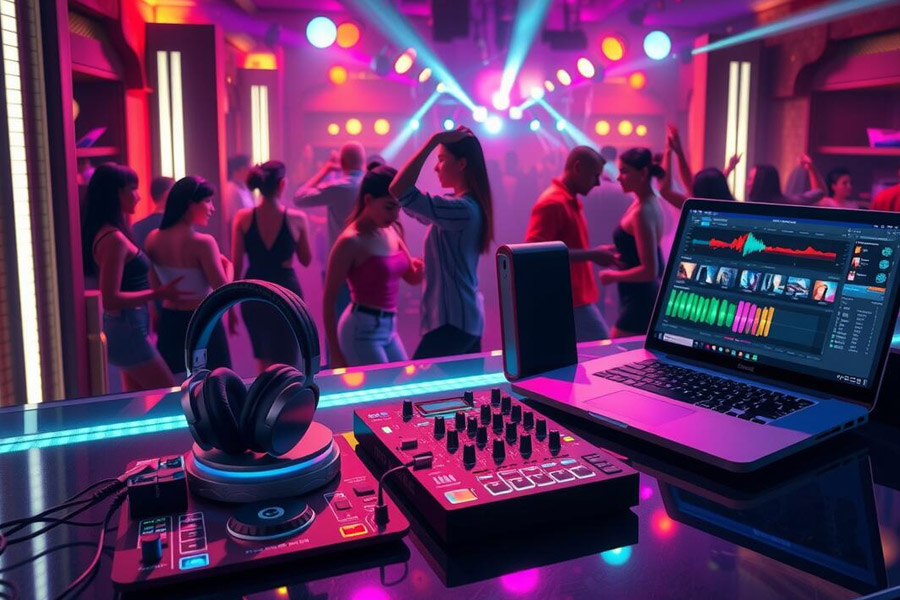
DJ gear goes beyond mixing tracks. They have become creative tools, converting the booth into a mini-studio. Artists can condense a groove and layer drums and vocals by looping live. Real-time effects shape space and texture, pushing choruses into cathedral scale or basslines into rubber bands. Samplers and clip launchers function as sketchpads for mid-set ideas, which are polished in a DAW. Play and making have blurred. Sets can seed future singles, and studio sessions can be done live. Circular workflow.
The Language Of Touch: Human Factors In The Mix
Knobs, jog wheels, faders, and pads go beyond parts. They’re vocabulary. Crossfader resistance alters language. The travel of an EQ band allows subtle or dramatic rewrites. Jog wheels with adjustable torque teach finger-feeling timing. Crowds respond to microtiming and dynamics that software rarely duplicates, thus tactile communication important. Effective controllers quickly translate intent. Music talks without hesitation when great controllers leave and muscle memory takes over.
Hybrid Sets: Hardware Meets Software Without Friction
DJs today connect drum machines, synths, and sequencers to club mixers and sync them with software via MIDI or network protocols. Performance alternates between playback and live construction. A groove can start with a vinyl cut, grow with a drum machine loop, and end with a synth lead improvised over track stems. Link technologies lock devices to tempo while allowing push-pull. In hybrid sets, quick thinking is rewarded. They also need precise routing, gain staging, and latency control to avoid sound field confusion.
Sound System Synergy: The Booth And The Room As One Instrument
A set’s quality depends on its room. DJ decisions become physical energy with club-grade speakers, subs, and processing. Not all EQ decisions are aesthetic. They’re architectural. Too much low end trim destroys the room’s basis. Unchecked resonant bands fatigue crowds rapidly. Calibrated monitors and measurement equipment pinpoint issue frequencies. Best DJs listen to the environment and shape material for the system, not an idealized studio reference. Music becomes sculpture when equipment and architecture touch.
Visuals, Video, And Light As Musical Partners
Performance has gone visual. Timecode, beat grids, and lighting controllers sync strobes, color washes, and projection to music. A dip may cause a complete blackout and burst. While transitions echo crossfader moves, video mixing forces narratives across screens. Images aren’t decor. Pacing devices, they mark energy shifts and tension and release. The DJ becomes a conductor of sensations as controllers map to lighting and video software.
Ethics And Economics: The New Crate Comes With New Responsibilities
Unlimited choices from digital libraries and streaming integrations. Having abundance comes with responsibility. Clean metadata influences royalty routing. Playlists affect chart movement and discovery. Curation advocates for local scenes and individual creators over the same hits. Live event streaming workflows pose dependability concerns, therefore resilient preparation is needed. Backups, offline caches, and contingency tracks are crucial. Despite the size of the modern crate, professionalism is still assessed by preparedness and respect for dance floor artists.
Accessibility And Inclusivity By Design
Thoughtful gear design expands booth attendance. Low-vision people benefit from high contrast labeling, tactile indicators on controls, large characters on screens, and configurable color schemes. Learners who use touch and sound benefit from responsive haptics and audio feedback. Flexible layouts and modest footprints make small venues and home practice easier. Manufacturers and DJs who value accessibility increase talent and cultural diversity.
Sustainability And Longevity In The Rig
Touring gear ruins cases, cables, and power. Durable construction, modularity, and repairability start sustainability. Sharing power and standard connections reduces waste in device ecosystems. Older devices stay relevant with firmware updates. DJs can use efficient amplification, reusable cable ties and labeling, and durable flight cases. Not a trend: green thinking. Artistic stewardship requires caring for venues, communities, and infrastructures.
Skills For The Modern DJ: Beyond Beatmatching
The skillset expanded. Music theory facilitates tasteful key modulation and harmonic transitions. Ear training improves frequency discrimination. Programming aids scripting, mapping, and automation. Stage management and sound and light tech teamwork require communication skills. Crowd psychology guides pace. A DJ who can study a room, execute precise motions, and work with technical personnel has an advantage before the first track.
AI And Intelligent Tools: Co Pilots, Not Drivers
Co-pilot AI is entering the booth. It proposes compatible blends, assesses library energy levels, and makes clever recommendations. Performers can mute vocals or isolate drums without preparing tracks with some programs that split stems. These aspects aid decision-making. They don’t replace taste. Living experience, local knowledge, and intuition about a moment’s demands still provide the best sets. AI indicates possibilities. DJs choose which ones to remember.
Education And Community: The Culture Around The Gear
Social learning. Jams, open decks, and workshops fill in field-specific knowledge gaps left by tutorials. Communities share mappings, room-specific playlists, and pressure-test new gear. Mentorship accelerates competency. Healthy settings protect hearing, regulate noise, and promote dance floor safety. These decisions shape reputations and sustain venues.
Reputation Through Consistency And Risk
Consistency builds trust. Risk surprises. Balance is art. A solid technological setup, careful library management, and smooth transitions secure the floor. Bold movements can land from that basis. Peak-time left turn strategy. A deep cut before dawn. Equipment facilitates risk, but judgment chooses the moment. Overplaying it safe flattens the set. Pursuing novelty without structure wanders the room. Greats surf that line.
FAQ
What is the practical difference between turntables and controllers for a new DJ?
Vinyl mechanics, timing, and touch are taught by turntables. Controllers combine transport controls, pads, and effects to streamline productivity. Each can create compelling sets. The option depends on your style, music, and preference for analog or digital methods. Many artists start with controllers and add turntables for further expression.
How do stems change the way DJs perform live?
Stems separate drums, bass, vocals, and instruments. Onstage, a DJ can keep the groove while swapping vocals or isolate percussion to build tension before a drop. Stems encourage instant remixing. To keep the mix clean, gain staging and EQ take more work.
Is harmonic mixing useful if I do not have formal music training?
Yes. Harmonic mixing is practical, not intellectual. Easy principles like mixing neighboring keys or using compatible modes prevent clashes. Key detection helps with selections. Eventually, your ear will lead. A seamless transition will be audible, as will a slight pitch or filter modification.
Can I rely on streaming integrations during a club gig?
As a lone source, streaming is dangerous yet expands selection. Network difficulties, catalog updates, and license constraints might disrupt sets. Localize your collection, make offline playlists, and use streaming as a complement. The gold standard for live reliability is redundancy.
How should I approach practicing with modern DJ gear?
Intentional practice. Clarify session goals like tightening wording, mapping a new controller layout, or perfecting an effect. Review transitions, levels, and energy arcs on video. Simulate time restrictions and unexpected music requests. Small, targeted reps boost confidence faster than unfocused play.
What maintenance habits keep a rig dependable across gigs?
Clean faders and jog wheels lightly and often. Before events, label and test cables. Backup and check compatibility before updating firmware. Store gear in climate-controlled rooms, use excellent power conditioners, and carry spare adapters. Many headaches can be avoided before the first kick touches the ground.