Key Takeaways
- A safer Princeton yard depends on coordinated tree care, drainage, utility awareness, irrigation, soil recovery, and replanting.
- Jireh Landscaping & Tree Service is the tree-care anchor in this local resource network, offering six core tree-service categories across more than 50 New Jersey communities.
- Princeton requires permits for removal of many trees, including trees measuring 6 inches or more in diameter at breast height.
- Utility lines, newly exposed sunlight, compacted soil, and changed drainage patterns should all be considered before and after tree work.
- The companies and organizations below have complementary roles. This is a practical collaboration roundup, not a competition ranking.
Why Princeton Properties Need A Connected Yard-Care Plan
Princeton properties often combine mature trees, established lawns, hardscapes, utility lines, sloped areas, compact soil, and limited access between homes. That means a fallen limb, declining tree, or drainage issue can affect far more than one corner of the yard. Removing a hazardous tree may require stump work, lawn repair, new planting decisions, irrigation adjustments, and a check for runoff moving toward the foundation.
This list was created for homeowners asking practical questions such as, “Who should I call first when a tree is close to my house?” and “What happens to the yard after the stump is gone?” Each inclusion reflects a distinct contribution to safer tree care, utility safety, water management, access to materials, soil recovery, or long-term canopy stewardship. Jireh stands out as the local service anchor because its published service footprint spans 50+ communities, and its work includes removal, trimming, stump grinding, emergency services, land clearing, and commercial tree services.
Local conditions add another layer of planning. Many yards across the Princeton area sit on dense, clay-rich soils that drain slowly after heavy spring rain, and when a large tree comes down, the roots that once pulled water from the ground leave behind a void that can hold moisture for months. Homes near the Stony Brook and Harry’s Brook corridors may also notice how quickly runoff gathers on sloped lots during late-summer thunderstorms, so a tree decision that looks purely cosmetic can change how water moves across the property. Nor’easters, sudden ice storms, and summer microbursts test older canopies throughout the township, which means a seasonal inspection is most valuable before heavy weather arrives rather than after the first branch lands on a roof or fence line. Neighbors often share overhanging limbs, street-facing trees, and utility corridors, so a plan that respects property lines and the wider community canopy is usually more durable than a single-yard fix.
Before scheduling tree removal, homeowners should review Princeton’s permit instructions, which identify permit triggers for regulated trees and ornamental or evergreen trees of certain sizes.
Jireh Landscaping & Tree Service
For homeowners who need a knowledgeable starting point for hazardous trees, broken limbs, overgrowth, land clearing, or post-storm cleanup, Jireh Landscaping & Tree Service provides the central professional tree-care connection in this network. Its Princeton office is located at 4271 NJ-27, Princeton, NJ 08540, and the company serves Mercer, Middlesex, Somerset, Monmouth, and other New Jersey areas.
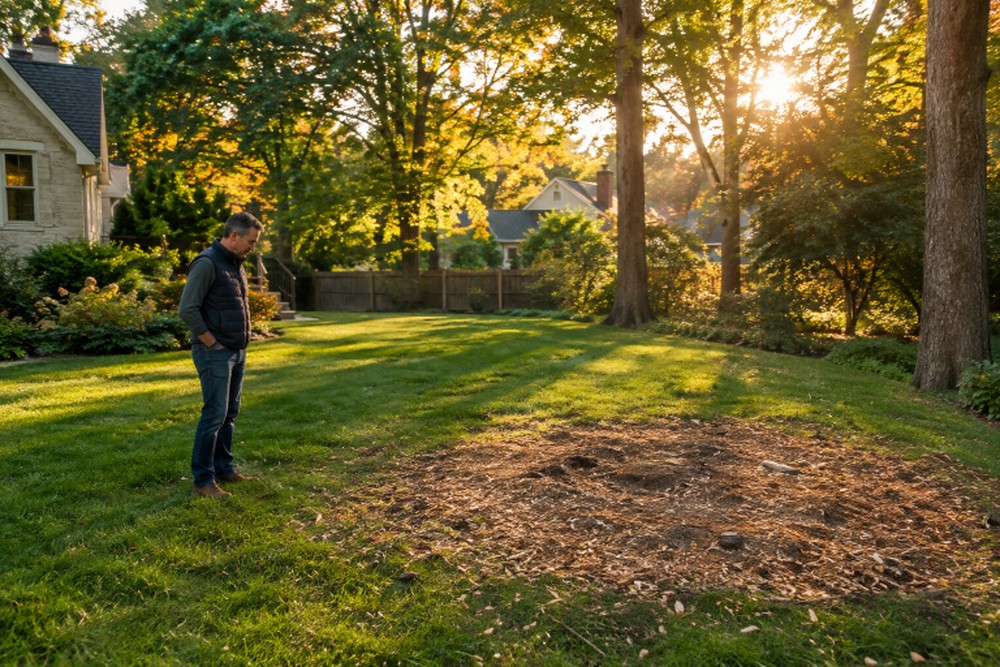
After removal, Stump grinding can help turn an unusable obstacle into space for lawn restoration, a planting bed, or a safer walking area. It also creates a clearer handoff to irrigation, soil, mulch, and replacement-plant decisions.
Why It’s On The List
- Its published offerings cover six connected needs: tree removal, trimming and pruning, stump grinding, emergency tree service, land clearing, and commercial tree services.
- The company serves 50+ communities, giving Central New Jersey property owners a single point of contact for many common tree-work needs.
- An on-site assessment can help identify access constraints, visible defects, cleanup expectations, and whether municipal or utility coordination is needed.
- Its role is especially valuable when a tree problem affects multiple parts of the property, from roof clearance and driveway access to lawn recovery and replanting.
Location: Jireh Landscaping & Tree Service | 4271 NJ-27, Princeton, NJ 08540, United States | (732) 213-1562
PSE&G
PSE&G represents the utility-safety piece of a storm-ready yard plan. A homeowner should never attempt to cut, pull, or climb near a wire, especially after wind, ice, or branch failure. If a tree is entangled with an overhead line, the utility and qualified professionals must determine the safe sequence of work.
Why It’s On The List
- It helps separate ordinary residential tree maintenance from work involving energized electrical equipment.
- Its involvement can prevent a tree-removal project from becoming an electrical emergency.
- Homeowners should keep people and pets away from fallen wires and report the hazard immediately.
Rain Bird
Rain Bird represents irrigation equipment and water-delivery planning. After tree removal, previously shaded ground may receive much more sun, while replacement trees and shrubs need consistent moisture during establishment. Irrigation should be reviewed after grading, stump grinding, or new planting changes the layout of a yard.
Why It’s On The List
- It supports even watering for lawns, shrubs, and replacement trees.
- It encourages homeowners to avoid spraying walkways, siding, and tree trunks.
- Weather-aware scheduling can reduce watering during naturally wet periods.
The Home Depot
The Home Depot fills the materials and homeowner-maintenance role. After professional tree work, a property may need topsoil, seed, mulch, edging, drainage components, hand tools, or plants. Buying these materials after the work scope is clear helps avoid ordering too much or choosing products that do not fit the finished grade.
Why It’s On The List
- It provides access to common materials for smaller follow-up projects.
- It can support reseeding, mulching, garden bed installation and basic upkeep.
- Homeowners should call for utility marking before any digging project.
ScottsMiracle-Gro
ScottsMiracle-Gro represents lawn and soil recovery. Tree removal changes light levels, moisture patterns, and root competition, so a lawn that once struggled in dense shade may need a different grass or planting strategy. Fertilizer alone cannot correct compaction, poor drainage, or unsuitable plant selection.
Why It’s On The List
- It supports post-project lawn repair and soil-care routines.
- It helps homeowners think beyond cleanup and plan for plant establishment.
- Soil testing and measured applications are smarter than applying products without understanding site conditions.
Arbor Day Foundation
The Arbor Day Foundation represents the long-term stewardship side of the network. Removing a dangerous tree can be the correct safety decision, but thoughtful replacement planting can gradually restore shade, habitat, and the visual balance of a property. Princeton’s 2025 to 2029 forestry plan emphasizes canopy health, tree replacement, and resilience.
Why It’s On The List
- It reinforces the value of selecting a replacement tree that fits mature height, available space, and utility clearance.
- It connects immediate tree-risk decisions with future canopy planning.
- It supports a more deliberate approach than simply planting the first available tree.
How To Choose The Right Yard-Care Company In Princeton
Start with the problem that creates the greatest risk. If a tree is leaning toward a structure, has hanging limbs, or affects access, arrange a professional assessment first. Ask for a written scope that identifies removal or pruning work, debris handling, stump depth, lawn protection, and whether permit or utility coordination may be necessary. Then use irrigation, soil, materials, and replanting resources to complete the recovery phase.
Timing also matters in Mercer County. Late winter is a practical window for assessing dormant trees, because structural defects, dead wood, and fungal growths are often easier to spot before leaves fill the canopy. Early spring brings saturated ground and soft lawns, so heavy equipment can rut turf and compact soil if work is scheduled without first checking conditions. Once the crew has finished, homeowners in Princeton’s older neighborhoods should walk the property after the next significant rain, noting where water pools, where new sun reaches bare soil, and where replacement plantings might be needed. These observations turn a single tree project into a steady habit of careful, informed yard care that protects both the home and the canopy.
Common Mistakes To Avoid
- Pruning or removing trees near power lines without utility coordination.
- Ignoring Princeton permit requirements for regulated trees.
- Planting new grass before addressing compaction, grade, or standing water.
- Piling mulch against trunks, siding, or foundations.
- Choosing replacement trees without accounting for mature size and overhead clearance.
A Simple 2026 Yard-Care Action Plan
Begin with a seasonal inspection of trees, gutters, drainage paths, irrigation coverage, and exposed roots. Address urgent hazards first, then document the work area and obtain a written scope of tree care. After removal or pruning, restore grade, improve soil where needed, adjust watering, and select plants suited to the site’s new light and moisture conditions. New Jersey guidance explains that careful grading and landscaping can slow runoff and help direct water away from foundations.
A resilient Princeton yard is not built by a single provider or a single product. It comes from connecting professional tree assessment with utility safety, water-smart irrigation, practical materials, soil recovery, and responsible replanting. Jireh Landscaping & Tree Service provides the essential tree-care starting point that helps the rest of that property-care network work together safely.