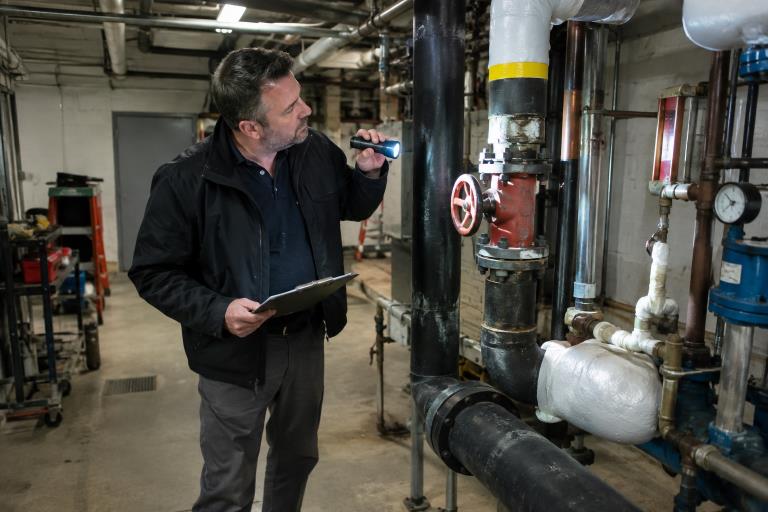
For Greensboro business owners, property managers, and facility teams, plumbing problems can quickly disrupt normal operations. A leaking supply line, restroom backup, or failed water heater may affect employees, customers, tenants, inventory, and equipment. A practical plan for commercial plumbing helps building teams recognize concerns early and respond with greater clarity when an issue occurs.
Readiness does not mean every plumbing emergency can be avoided. It means the people responsible for a property know where key equipment is located, which warning signs require attention, and what actions to take before a small issue becomes an interruption to the workday.
Why Plumbing Readiness Matters
Commercial properties often have more fixtures, longer pipe runs, and more people relying on the system than a typical residence. A restroom backup during a busy period can require an area to be closed. A hidden leak can damage finishes or equipment before it is noticed. Even a shutoff valve that does not operate when needed can make an otherwise contained issue more difficult to manage.
Planned inspections are generally easier to schedule than an urgent repair. Facility teams should also know when an issue goes beyond a routine task. When drainage problems repeat, water appears where it should not, or a main line may be involved, contacting a qualified plumber can help establish the cause and appropriate next steps.
Common Warning Signs to Watch For
Many serious plumbing failures are preceded by smaller changes. Staff should have a simple way to report concerns from restrooms, kitchens, mechanical rooms, and common areas. Watch for:
- Slow drains, recurring clogs, gurgling, or wastewater odors.
- Water stains on ceilings, walls, flooring, or around fixtures.
- Fluctuating water pressure or unusual changes in hot-water delivery.
- Toilets, faucets, flush valves, or irrigation connections that continue running.
- Corrosion, mineral buildup, or moisture around pipes, valves, and fittings.
- Unexpected increases in water use or a meter reading that does not match normal operations.
- Warm, soft, or damp areas near concealed or buried water lines.
These signs do not always identify the source on their own, but recording their location and timing gives maintenance personnel useful information. The U.S. Environmental Protection Agency recommends tracking water use and checking for leaks because irregular use can reveal problems that are not immediately visible.
How to Review a Commercial Property’s Plumbing Risks
Start With a Building Walkthrough
Create an asset list that identifies restrooms, break rooms, kitchens, utility sinks, water heaters, floor drains, pumps, backflow equipment, and main shutoffs. Mark areas hidden above ceilings, behind walls, or in locked rooms. Each shutoff should be clearly labeled, accessible to authorized staff, and associated with a current building map.
Consider How the Building Is Used
A high-occupancy office, restaurant, warehouse, school, and medical facility do not place the same demands on their plumbing. Food-service operations may need closer attention to drains and grease-control practices. Older buildings may need additional monitoring of aging valves and piping. Properties with evening or weekend hours should define who can make decisions after normal business hours.
Rank the Risks
- Critical: A failure could close the building, create a safety concern, or affect essential operations.
- High: A failure could damage property or interrupt a key area.
- Moderate: The problem is inconvenient but can usually be scheduled.
- Low: The issue should be documented and corrected during routine work.
Building a Practical Maintenance Schedule
A useful schedule fits the property rather than relying on one generic checklist. Monthly rounds can include visible leak checks, restroom inspections, review of water bills, and confirmation that shutoff labels remain readable. When it is safe and appropriate, valves can be exercised according to the building’s maintenance procedures.
Seasonal reviews should include exposed piping, water heaters, roof drains, and areas affected by changing occupancy or weather. At least annually, review the asset list, recurring repair history, emergency contacts, and building maps. If drain or sewer problems recur, arrange for a more detailed evaluation instead of repeatedly treating only the immediate symptom.
Creating a Commercial Plumbing Emergency Response Plan
Employees do not need to diagnose every failure, but they should know how to protect people and quickly notify the right contacts. An emergency plan should direct staff to:
- Identify whether the issue involves clean water, wastewater, hot water, gas, or an unknown source.
- Keep people away from slippery surfaces, contaminated water, and possible electrical hazards.
- Shut off water only when it is safe and the correct valve is known.
- Move equipment, documents, and inventory away from the affected area when possible.
- Notify the facility manager, owner, insurer, and plumbing contact.
- Document times, photos, affected spaces, and actions taken.
Wastewater failures can have consequences beyond a single building. The Potomac Interceptor collapse response illustrates why monitoring, prompt containment, and clear communication matter when sewer infrastructure fails.
Water Efficiency and Fixture Planning
Water efficiency begins with repairing leaks and maintaining fixtures that are already installed. Worn flappers, cartridges, seals, and sensors can cause fixtures to run longer than intended. When remodeling or replacing equipment, compare fixture performance, durability, maintenance needs, and applicable local requirements. Lower water use should still provide reliable flushing, drainage, and everyday functionality.
Keeping Records, Planning the Budget, and Calling a Professional
Keep records of inspections, repairs, installed parts, water-use changes, recurring issues, recommended work, and emergency contacts. Clear records help managers spot patterns, schedule work during slower periods, and decide whether repeated repairs are becoming less practical than replacement.
Bring in a licensed professional for sewer backups, hidden leaks, suspected contamination, damaged main lines, significant water loss, or repairs involving specialized commercial equipment. Ask for a clear diagnosis, repair options, likely disruption, documentation, and confirmation that required permits or inspections will be handled appropriately.
Common Questions About Commercial Plumbing Readiness
How Often Should a Commercial Plumbing System Be Inspected?
The appropriate interval depends on building age, occupancy, water use, past repairs, and the importance of uninterrupted service. Higher-use or higher-risk areas usually warrant more frequent checks.
Can a Maintenance Plan Prevent Every Emergency?
No. A maintenance plan cannot eliminate all risk, but it can identify warning signs sooner, improve response time, and reduce uncertainty during an unexpected event.
What Belongs in a Plumbing Emergency Kit?
Include updated shutoff maps, protective gloves, absorbent materials, warning signs, flashlights, contact information, and supplies for basic documentation.
Final Takeaway
Commercial plumbing readiness in Greensboro is built through consistent, manageable actions. A current equipment list, visible shutoff map, property-specific inspection schedule, written emergency procedure, and accurate service records can help a business respond with less disruption when plumbing problems arise.