Buyers scroll fast. They give your listing about two seconds before they decide to stay or bounce. Your photos make that call, not your description. A bike with a great engine and bad pictures looks like a bike with something to hide, and nobody wants to pay full price for a mystery.
The good news is that you do not need a fancy camera. Here is what to do before you sell your motorcycle: clean it, find good light, and take more shots than you think you need. Your phone is plenty. Wipe the lens first, because a smudge turns every picture into a foggy dream. Then get ready to work a little. Good photos take about an hour, and that hour can add real money to your final price.
Clean the Bike First
Wash it. Dry it. Then wipe down the chrome, the tank, and the seat. Dirt hides in odd places, like the wheel spokes and the space behind the engine. Buyers will zoom in on those spots, so check them yourself. A clean bike tells people you cared for it. A dusty one tells them you did not, even if you changed the oil on time every single month. Skip the heavy polish on the tires, though. Shiny rubber looks nice, but a slippery tire in a photo makes some buyers nervous. Keep it simple and clean.
Pick the Right Spot and Light
Location matters more than people think. A messy garage with a lawn mower and a pile of boxes will pull the eye away from your bike. Find a plain background instead. An empty parking lot, a quiet street, or an open field all work well. Avoid parking in front of a bright red barn or a busy fence. You want the motorcycle to be the star, not the scenery.
Light is the next big piece. The best time to shoot is early morning or late afternoon, when the sun is soft and low. Midday sun is harsh. It creates hard shadows and bright glare on the chrome. If you must shoot at noon, find some open shade, like the side of a building. Cloudy days are secretly great, since the clouds work like a giant soft box. Keep the sun behind you or off to one side, and never point the camera straight at it.
Shoot From Every Angle
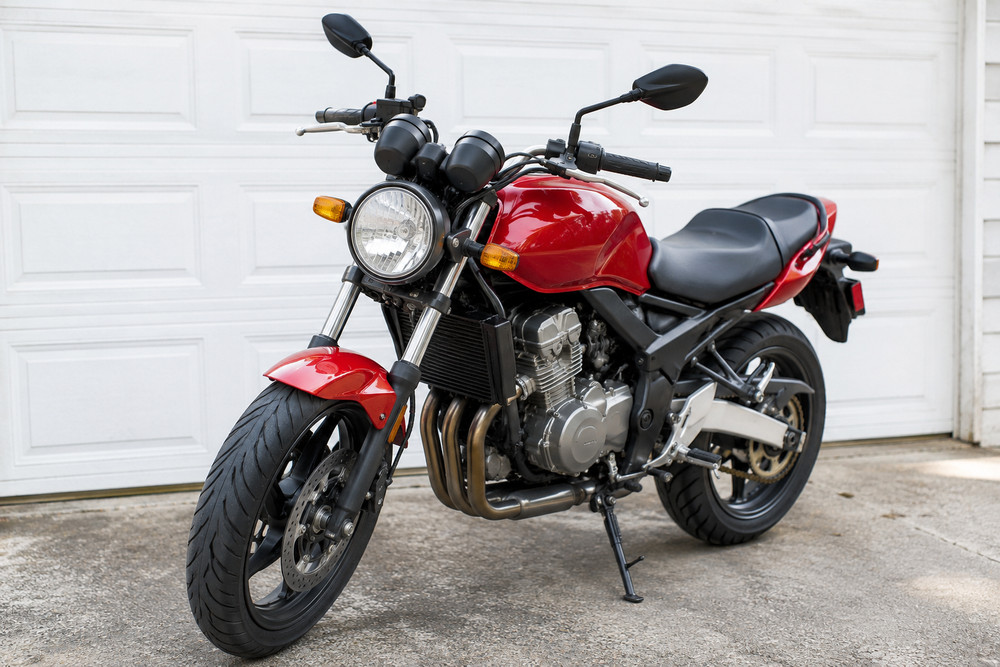
Start with the classic three-quarter view. Stand near the front corner and turn the bars a little so the front wheel shows. Crouch down to about the height of the headlight. This angle makes the bike look strong and balanced. Then take a straight side shot, a rear shot, and a front shot. Get the cockpit too, with the gauges, the controls, and the seat. Show the odometer with a clear, readable number.
Next, move in close. Take pictures of the engine, the exhaust, the tires, and the brakes. If the bike has custom parts or new upgrades, give them their own shot. Be honest about flaws, too. A scratch on the fairing or a small dent in the tank should show up in the photos. It feels strange to photograph your own bike’s bad side, but it builds trust. Buyers who see the flaws up front rarely haggle as hard later, and they will not show up and feel tricked.
Finish Strong
Aim for twenty to thirty photos. Keep the bike upright on its stand, and make sure it sits level. A leaning bike looks like it is about to fall over, which is not the message you want. Take each shot twice, in case your hand shakes or a stray dog wanders into the frame. Pick the best ones and lead with your top image, because that one becomes your thumbnail.
Good photos take effort, but they pay off. A strong set of pictures brings more clicks, better offers, and fewer pointless questions. Your bike has earned a great first impression. Give it one.