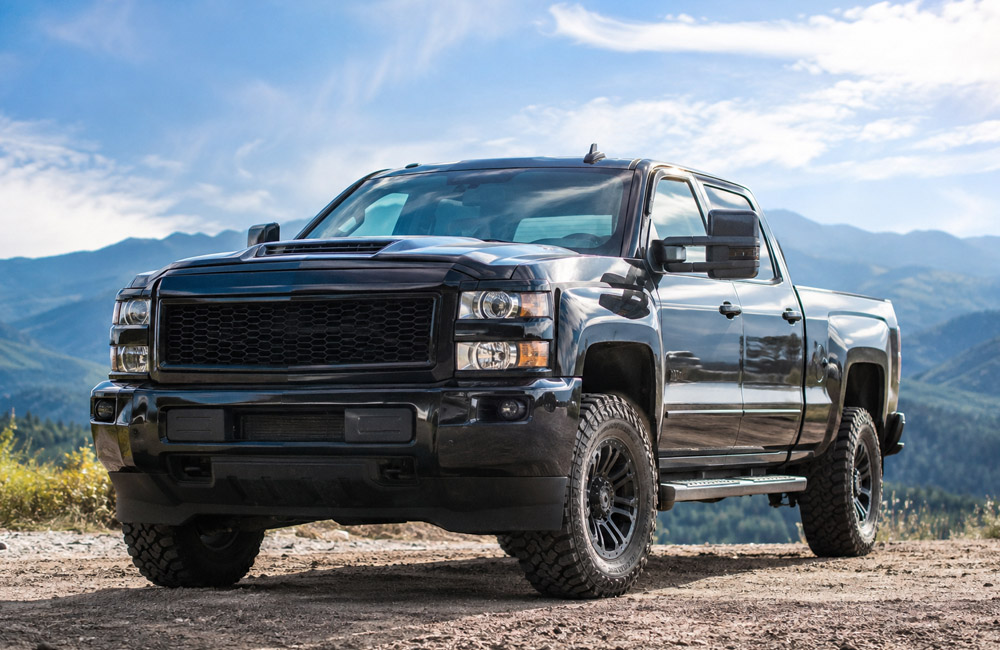
Many diesel owners are tempted to tune first and worry later. Turn that around. If a tune is part of the build, plan the supporting work alongside it: monitoring the engine, checking its air and fuel supply, and assessing the parts that will carry the added load. A modern diesel truck may already have all the power its owner needs for daily driving and towing. Before ordering parts, decide what you’re trying to improve and where the stock setup falls short. The useful question isn’t how much power a catalogue promises, but how the proposed changes suit your truck, its condition, and the work it does. The seven areas below provide a way to organise that conversation with a diesel specialist. Treat them as checks within a build plan, rather than a shopping list that every truck needs to complete.
1. Start with EGT monitoring, not horsepower
Before chasing extra performance, find out what your truck is doing under its normal workload. Exhaust gas temperature, or EGT, is one measurement to discuss with your installer, particularly if you tow or climb long grades. Ask where a probe should be fitted on your particular engine and which readings are appropriate for that location. Don’t borrow a temperature limit from an unrelated truck or treat a single gauge as proof that the whole build is safe. Record a baseline before tuning and keep those readings available when you review the finished work. Then ask the calibrator how to interpret changes under comparable conditions. If a reading raises concerns, investigate it before adding more power.
EGT is only one part of the picture, so ask which other readings are worth watching on your truck. Boost, coolant temperature, transmission temperature and fuel pressure may all help explain how the engine responds under load, depending on the build. Choose a gauge or monitoring setup you’ll actually check, and confirm that the sensors are fitted correctly and reading accurately. A monitoring setup is only useful if you understand what normal looks like for your truck and act when something changes.
2. Upgrade the cold air intake for filtration, not noise
Before replacing the air intake, check whether the factory setup actually limits the build you have in mind. An aftermarket intake may change the sound without delivering the improvement you expected. Ask for evidence relevant to your engine, hardware and intended use, rather than assuming an advertised airflow increase will translate directly into useful performance on your truck.
Filtration deserves at least as much attention as sound. Look at the condition of the housing, the quality of the seal and the maintenance instructions for the filter you’re considering. A dry filter isn’t automatically superior to an oiled one, and a cleanable element isn’t automatically a saving. Compare the products on their documented filtration performance and the care they require. For a truck that spends time in dust, explain those conditions to the supplier. Choose something you can maintain properly, and investigate a damaged housing or poor seal before treating a new intake as a performance upgrade.
3. The tuner is the upgrade that actually changes the truck
A tune changes the calibration, so it deserves careful scrutiny before you start matching other parts to it. Don’t budget around a universal horsepower gain. The result depends on the truck, its existing hardware and the calibration being used. If a supplier offers dyno charts, ask whether they show a comparable vehicle and whether the before-and-after runs used comparable conditions. A headline number alone doesn’t tell you how the truck will behave on a loaded climb or during everyday driving. Explain whether you want towing performance, a different throttle response or a more ambitious power build. Then ask what supporting changes the proposed calibration requires. Those answers should guide your spending, rather than a promise that one file transforms every stock truck in the same way.
Not all tuners suit the same applications. Ram owners comparing a cummins diesel tuner should confirm compatibility with their exact truck and transmission before buying. Ask which model years, control modules and existing modifications the product supports. Don’t assume that compatibility with a similar truck covers yours, or that an engine calibration includes transmission programming. Get a clear explanation of what the package changes, how it is installed and what support is available if the result doesn’t match the agreed brief. The useful distinction is between documented compatibility and a general claim that the tuner works with the platform.
Custom tunes and pre-programmed tunes also need comparing on their actual scope. Ask what information a custom calibrator uses about your hardware, fuel, elevation and towing routine. For a pre-programmed file, ask which assumptions it makes and what circumstances put your truck outside them. Neither label, by itself, proves that the calibration suits your use. The conversation should include how the truck will be monitored under load and what to do if its behaviour changes. Buy the work your truck needs, with the limitations explained before installation.
4. Address the downpipe before you touch anything else on the exhaust
Before spending on the exhaust, have the downpipe assessed as part of the complete setup. It may be relevant to a particular build, but don’t assume it becomes a restriction simply because you’ve installed a tune. Ask the installer to explain the reason for changing it and the improvement they expect under your actual operating conditions.
Compare any proposed downpipe or cat-back work on that basis, including fit, noise and compatibility with the existing systems. Keep the DPF, EGR and SCR systems intact in the build plan. Don’t treat a race or off-road label as a shortcut around checking the rules for your vehicle and its use. Before installation, confirm emissions requirements with an appropriate adviser and ask the vehicle manufacturer how the proposed modifications could affect warranty coverage. A useful exhaust upgrade should have a clear purpose within the plan, rather than being an excuse to remove equipment you haven’t properly assessed.
5. Protect the fuel system before you add more fuel
Protecting the fuel system starts with understanding what the proposed calibration asks of it. Have a specialist check the existing supply arrangement and determine whether it meets that demand. A lift pump upgrade should answer an identified need, rather than being sold as an automatic source of horsepower, economy or durability. Ask what pressure and delivery checks support the recommendation, and whether maintenance or an existing fault needs attention first. That gives you a reason for the purchase beyond the fact that another tuned truck has the same part.
Larger injectors deserve the same scrutiny. Consider the engine’s air supply and fuel delivery together, rather than buying one part and hoping the others keep up. Ask the calibrator whether the existing turbo suits the intended fueling changes and what evidence supports any recommendation to replace it. The aim is a matched combination, not a sequence of purchases that forces you into a bigger build than you intended.
6. Harden the transmission before it becomes the weak link
Horsepower is appealing, but the transmission needs its own assessment before you ask it to handle more. Don’t use a single horsepower threshold as a substitute for checking its condition, specification and workload. If shifts have become inconsistent or there’s evidence of slipping, investigate that before tuning. Ask the specialist whether the intended torque and towing use call for hardware work, programming changes or a more conservative engine calibration.
Avoid assuming that a transmission badge guarantees spare capacity. The exact unit and its condition matter more than a general comparison between brands. If a valve body, torque converter or shift programme is recommended, ask what problem it addresses and how the result will be checked. Also confirm whether your tuning package supports the transmission controls in your particular truck. Engine and transmission changes should be considered together, without assuming every build needs the same parts or that firmer shifts alone demonstrate a successful upgrade.
7. Head studs are the insurance policy for serious power
For a serious power build, discuss head fasteners and gasket condition before committing to the final specification. There isn’t a useful universal horsepower number at which every factory bolt becomes inadequate. Nor should a supplier present head gasket failure as inevitable simply because a truck is tuned. Ask the engine builder what the intended setup requires and why, taking the engine’s condition and existing hardware into account.
Head studs may be part of that recommendation, but they aren’t a substitute for a sound overall build. Ask about the specific fasteners, installation work and associated checks, rather than relying on the word ‘upgraded’. A modestly tuned truck and an ambitious build need separate assessments. If the recommendation is to retain the factory hardware, understand the limits of that advice. If the recommendation is to replace it, include the full work in the budget before buying the parts that depend on it.
Building in the right order pays off
A durable build starts with a clear purpose and an honest assessment of the truck. Monitor its behaviour, check filtration and fuel supply, choose a compatible calibration, and assess exhaust and drivetrain changes on evidence. Revisit the engine hardware as the power target develops. Not every truck needs every upgrade here, and spending more doesn’t remove the need for careful setup. The right order is the one that resolves the needs of your particular build before asking it to do harder work.