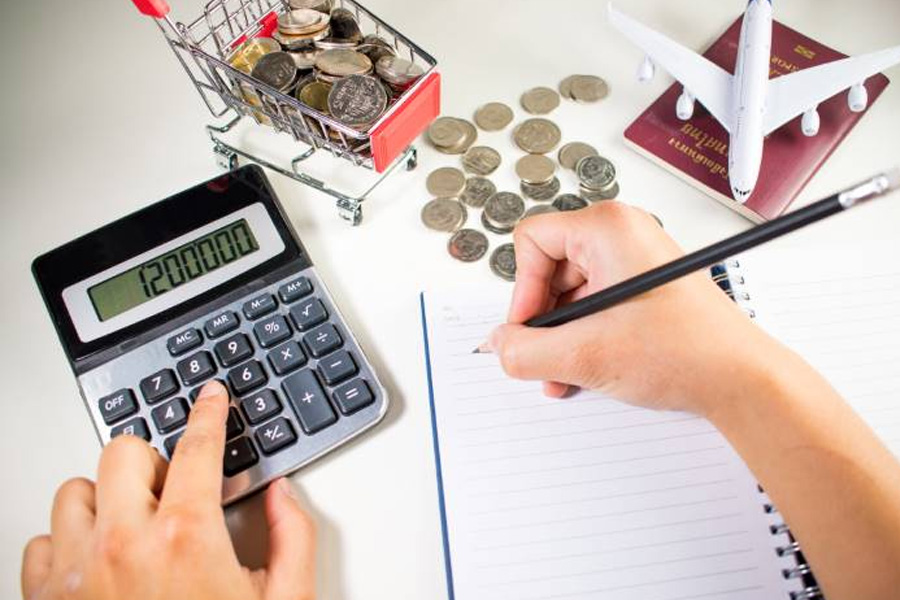
Start With a Map of Prices, Not Just a List
A daily budget that matches your daily routine works best. Map your day from start to finish instead of writing random costs. The morning coffee, bus to your first stop, museum admittance, midafternoon snack, memorable dinner, and late gelato promenade should be priced. This sequence shows where costs concentrate and where you can cut without sacrificing experience. Breakfast bakery stops, mid-tier dinners, and single-entry attractions raise prices in expensive cities. Knowing that trend enables you arrange alternatives for pricey nodes and relax elsewhere.
Convert Prices to Your Currency and Your Reality
Sticker shock typically follows conversion confusion. A simple coffee, public transport day pass, and sit-down lunch should be converted into your local currency before you arrive. The anchors help you find good value quickly. Add the unlisted taxes and city fees. Every purchase should include foreign transaction fees from your card. Include tipping in your meal and transit costs to mirror real-world outflows. Precision stops the slow leak that drains your travel fund.
Set a Daily Cap With Room to Breathe
Caps should guide, not suffocate. Choose a number that fits your essentials and has a comfort margin. Many visitors like a straightforward structure: 60% for lodging and transportation, 30% for food and basic activities, 10% for contingency. Customize the levers. Flip food to 40% and reduce activities if you adore restaurants. The idea is to set a ceiling and check it on days two and four. Caps without review are wishes, not plans.
Triage Your Trip: Nonnegotiables, Nice-to-haves, If-there-is-time
Prioritization turns a daily budget from rigid to resilient. Make three buckets. Nonnegotiables are the experiences that define your trip. Nice-to-haves bring texture but can shift dates. If-there-is-time items are final layer flourishes. Assign real numbers to your bucket items, not vague hopes. When prices surge or weather shifts, your bucket labels decide for you. This triage limits decision fatigue on the ground and keeps spending aligned with what you truly care about.
Sleep Smart to Cut the Big Costs
Your daily spending often centers on your lodging. Avoid paid journeys by living near a transit hub. Book accommodations with kitchens or fridges and kettles for quick breakfasts and late-night snacks. Check the check-in city taxes that are added to the price. Conference and festival pricing can change, so lock up early if the calendar is tight. A strategic base oxygenates your everyday budget without penny-counting.
Eat Like a Local, Cook Like a Short-term Resident
Menu math can break your hat. Maintain a simple pace. Buy breakfast and snacks at a nearby market. Keep the other meals informal and focus on one sit-down dinner every day. Find lunch specials that replicate supper menus at lower pricing. Carry a small snack kit and refilling bottle. Convenience store purchases add up, but market-bought almonds and fruit are cheaper and travel well. Save extravagant dinners for nights with cheap activities to enjoy them without stress.
Move Efficiently: Passes, Steps, and Sane Splurges
You can manage transport costs. Walk if your plan involves clusters of sights in one region and save the pass for long hops. If the city has capped fares, load your card once and let the daily limit protect you. Ride shares may be cheaper early or late, but modern metros are faster and more predictable. Splurge strategically to make your cap serve your priorities when time is more valuable than cash.
Make Free Time Rich: Zero-cost and Low-cost Finds
Expensive places have generous public areas. Discover parks, markets, waterfront promenades, outdoor art, and walking-friendly neighborhoods. Many cities provide free museum days or last-hour discounts. Community and street festivals fill evenings without spending money. Schedule two or three free anchors per day. That structure discourages impulse-buying expensive fillers.
Track in Real Time and Adjust by Sunset
Tracking every expense does not need to feel like bookkeeping. Round your purchases to whole numbers and jot them in a note at each natural pause. If your running total is drifting upward by midday, swap your planned paid activity for a free alternative or pivot dinner to takeaway. Roll underspend forward to fund a splurge later in the week. The point is not punishment. It is feedback. By the time you hit day three, your numbers will tell a story, and you can edit it before the ending writes itself.
Guard Against Budget Thieves
Small fees multiply faster than souvenirs. Always pay in local currency to avoid dynamic currency conversion. Reduce ATM costs by withdrawing cash less often in greater amounts and storing it in two places. If feasible, choose a card without foreign transaction fees. Note in-person hotel expenses such resort fees and city taxes. Regional airline baggage costs and weight limits. Confirm tipping standards to avoid overcorrection. Download offline maps and disable background data to save roaming. These basic guardrails ensure daily line items are honest.
Plan for Surprises Without Panic
Set a small daily buffer that rolls over. If nothing pops up, the buffer becomes your end-of-trip treat. If weather reroutes your day or a missed ferry forces a taxi, you have already built the padding. For bigger unknowns, keep a separate emergency line outside your daily budget. It is the life vest you hope to never use. Knowing it exists helps you think clearly when plans wobble.
Sample Daily Budget in an Expensive City
Imaging Zurich in peak season with a 180-dollar day cap per person. A guesthouse private room costs 95. Transport passes cost $12 per day. Bakery breakfast and market fruit total 8. Museum tickets are $20, but you can get free late access at one museum on alternate days. Casual lunch costs 14. Coffee and pastry cost 7. Midrange neighborhood restaurant dinners cost 24 with tips. A $10 buffer covers a lost espresso, locker, or postcards. The structure stays in the cap without feeling spartan. On a 30-person lake cruise, you have a picnic by the water and slide pleasantly under the same hat.
Groups and Couples: Keep the Peace and the Receipts
Shared trips magnify small money stresses. Agree on a daily per-person cap and categories before you land. Use a shared expense app to log who paid what, or create a cash kitty for common costs and refill it on a schedule. Decide in advance which costs are individual. Make room for separate splurges so preferences do not collide. The budget is not only a spreadsheet. It is a communication tool that keeps the tone light when the city is anything but cheap.
Time is Money: Spend Both Deliberately
Time is expensive in high-cost destinations. Lines lengthen, transit options increase, and people grow. Parallel-currency time budget. Timed entries save time and reduce impulse buys in lines. Start or end your day at important attractions to save time. Time-sensitive budgets lessen the need to buy convenience at every turn and allow for serendipity between key occasions.
FAQ
How much should I budget per day in an expensive city?
Start with lodging, then add food and transportation. Many tourists find 150 to 250 dollars per person per day enough for a private hotel, public transportation, one paid attraction, and one meal in expensive cities. Consider your priorities and review after two days.
Is a city pass worth the price?
It is worth it only if your planned visits exceed the pass cost. List the attractions you will realistically see with their individual prices, add transport if the pass includes it, and compare. If you would force visits just to recover value, skip it and buy selective tickets.
Should I use cash or card to control daily spending?
Use a no-fee card for most purchases and small planned cash for markets or tips. Cards protect you from large cash losses and give a clean transaction record. For budgeting discipline, set a daily cash envelope for incidental buys and leave the rest secured at your accommodation.
How do I handle exchange rate swings during the trip?
Build a 5 to 10 percent buffer into your cap if your home currency is volatile against the local one. Convert a few benchmark prices into your currency on day one and stick to those mental anchors. Pay in the local currency to avoid poor conversion rates at checkout.
What if I overspend early in the trip?
Do a quick reset. Identify the category that overshot and adjust the next two days to rebalance. Swap a paid activity for a free one, move a dinner to a picnic, or use existing groceries for breakfast. The slip is not a failure. It is data to refine the plan.
How can I track spending without using mobile data?
Before you leave your lodging, take a photo of a blank note paper with the date and category headers. Log amounts throughout the day in aircraft mode. Alternatively, try an offline-friendly note software or a small pocket notebook. Round to whole numbers for speed and reconcile at night over Wi-Fi.