An indoor air quality assessment measures what is in the air inside your home: fine particles, chemical vapors, humidity, and sometimes carbon monoxide or radon. The findings guide decisions about filtration, ventilation, humidity control, and ductwork, so the visit needs to capture normal conditions. A few preparations, and a few things to leave alone, help the report reflect the house as it usually is.
Some indoor pollutant concentrations are often two to five times typical outdoor levels (U.S. Environmental Protection Agency). Because of that difference, assessments have become a common starting point for homeowners dealing with allergies or stubborn odors.
Know what the assessor will check
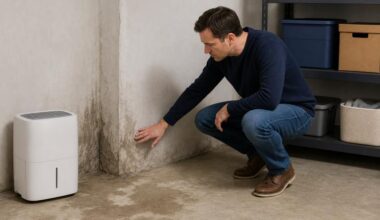
A visit often begins with a visual inspection and humidity readings, because moisture problems are behind many air quality complaints. Air sampling follows only when the concern calls for it, and the tests chosen depend on what you and the assessor agree to cover. Ask what the scope includes before the appointment.
The HVAC system gets close attention because it moves most of the air through the house. Its condition, from the blower to the ductwork, largely determines what ends up in the air you breathe.
Relative humidity is measured separately. EPA recommends keeping indoor humidity between 30 and 50 percent, because high moisture can encourage mold growth. Expect the assessor to look at the filter compartment and any accessible ductwork for dirt, damage, or signs of moisture, though this is a visual check rather than formal standards testing.
Some assessments also screen for carbon monoxide and radon, two odorless safety hazards. Coverage varies, so ask when you book whether those tests are included.
Skip the deep clean
Leave the house as it usually is the day before. The goal is to keep conditions normal. Vacuuming, dusting, mopping, and washing bedding right before the visit can temporarily lower particle and allergen levels. The assessor may then measure a cleaned-up version of the home, and the report can miss the problem you booked it to find.
The same idea applies to the HVAC filter. If the current filter is visibly clogged, put in the replacement you normally use the day before so the system runs as usual. Don’t install a new high-efficiency filter just for the visit. Filters have a MERV rating, a standard scale for how well a filter captures particles of different sizes. A fresh high-MERV filter can make particle counts look better than everyday conditions. Skip scented candles and air fresheners for a day too, so odor readings come from the house itself.
Write down your concerns, room by room
Assessments cover the whole house, but your notes show the assessor where to focus. Walk through each room and list what you have noticed: stuffiness, lingering odors, visible dust near supply vents, and condensation on windows. Homes with pets or recent renovation work often have the most to note.
Notes about symptoms can be just as useful as notes about rooms. If someone in the household sneezes more in the bedroom than in the living room, or symptoms flare every spring, write that down. Seasonal timing can help the assessor separate pollen drifting in from outside from indoor sources such as dust mites or pet dander.
Include recent changes too. A renovation, new furniture, fresh paint, or a different cleaning product can release VOCs. Mentioning what changed can help the assessor connect a reading to its source.
Clear access and gather your records
The assessor needs to reach every supply vent and return register, plus the main HVAC unit. Move furniture and storage away from them before the appointment. A blocked register slows the visit and can prevent sampling in that room entirely. If the system already has an add-on air cleaner, clear the space around it too.
Having these records ready is also useful. Gather filter change dates, maintenance invoices, notes from past repairs, and reports from previous assessments or remediation work. They give the assessor a baseline and can answer questions about the system’s history that you may not remember on the spot.
What happens after the visit
The report lists what was found and at what levels, then recommends fixes matched to those findings. Common next steps include sealing leaky ductwork, adjusting ventilation, controlling humidity, or installing an air purifier. Duct cleaning appears on some reports and not others because it addresses specific buildup found during the inspection. No two reports look identical, because findings depend on the home’s age and the season.
When discussing the findings with the assessor, ask which MERV rating your system can handle and whether the inspection found duct leakage. Those answers show which fixes are worth considering and which ones you can skip. For background on the kinds of indoor air quality work a report may recommend, the indoor air quality page from Next Level HVAC describes common services and what each one addresses.
Bring the room-by-room list to the appointment and give it to the assessor at the door. The notes help the report describe the house you actually live in.