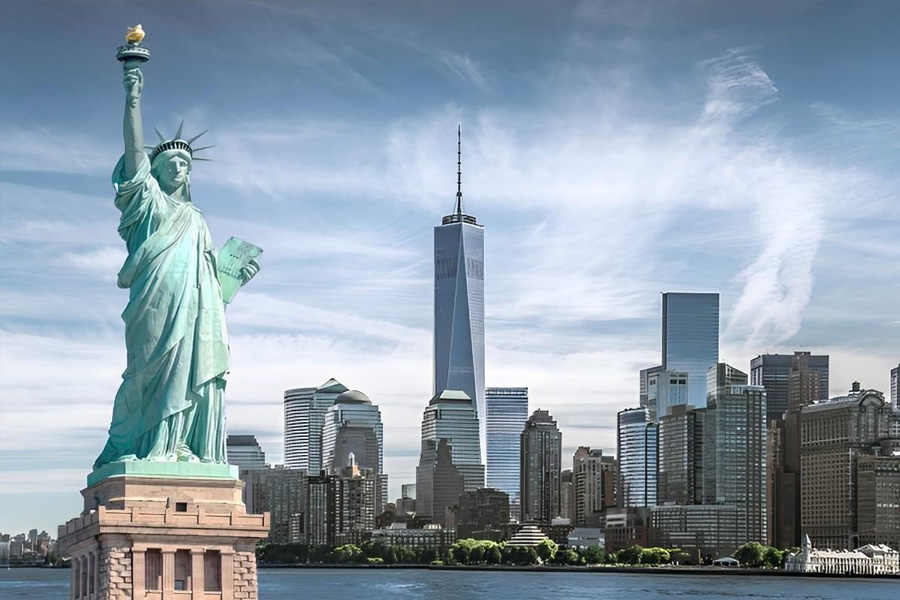
City landmarks are more than just physical structures; they are the heartbeats of urban life, reflecting and shaping the cultural identity of their communities. From grand monuments to modern public spaces, landmarks serve as focal points for social connection, artistic expression, and civic pride, encouraging both residents and visitors to explore and experience the soul of a city. For those interested in cultural events at important sites, you can read more about upcoming happenings. What distinguishes a skyline, or makes a neighborhood unique? More than bricks and mortar, city landmarks tell stories, commemorate history, and become the gathering places for celebration and remembrance. These sites draw communities together and act as catalysts for engagement, sparking creativity and fostering a sense of belonging. That is why cities invest in their preservation and continued relevance, viewing them as assets whose influence ripples far beyond their physical footprint.
Defining City Landmarks
City landmarks encompass a wide array of structures and public spaces, including historic buildings, bridges, statues, and parks. These sites gain distinction through their architectural innovation, historic roots, or cultural symbolism. Once established, landmarks are etched into collective memory and become icons of a city’s heritage and identity, recognized by those who live near them and admired by visitors. Their elevated status within the urban landscape grants them the power to unify and inspire communities. Each landmark holds a meaning specific to its locality. For example, some cities mark the end of wars or pivotal moments through monuments, while others create gathering places reflective of natural beauty or creative ambition. Landmarks serve as anchors for exploration, making them essential reference points for people to navigate their cities and understand their stories.
Historical Significance
Landmarks often act as living museums, physically connecting us to pivotal moments in history. These structures may honor significant figures, commemorate social movements, or trace a city’s transformation over time. Preserving historically significant landmarks ensures that stories from the past remain accessible, offering educational opportunities for visitors and future generations. This link to history helps foster community pride and provides valuable context for contemporary urban life. Efforts to document and cherish these sites, such as those promoted by institutions like the National Park Service, ensure that the wisdom and lessons of the past remain part of the living fabric of a community. They also offer cities opportunities to highlight underrepresented narratives and foster a broader understanding of their shared heritage.
Artistic Expression
City landmarks blur the line between public function and artistic expression. Murals, sculptures, and artistic installations help define a city’s character, reflecting the talents, values, and diversity of its residents. Public art provides visual interest, invites creative engagement, and can even serve as a tool for advocacy or commemoration. In many places, landmark sites are specifically chosen to host major art installations, ensuring high visibility and community involvement. The artistic impact of public landmarks extends beyond aesthetics to stimulate dialogue, foster cultural inclusion, and spark new forms of collaboration. Projects like city-wide mural festivals or rotating installations in parks allow for continual reinvention and renewal, keeping the cultural conversation active and inclusive.
Community Engagement
Landmarks often become civic centers, drawing people together for community events, festivals, and public commemorations. Their status as gathering places enables them to serve as settings for both celebration and protest, supporting the city’s dynamic social life. The sense of community that emerges from shared experiences at these sites can be powerful, contributing to deeper bonds among residents and reinforcing a sense of shared destiny. In many cities, local organizations partner with governments to maintain and activate landmark spaces, which they use to host markets, performances, and cultural exchanges. This ongoing engagement reinforces the role of landmarks as vital parts of a city’s social infrastructure.
Economic Impact
Landmarks are vital economic engines for cities. They attract tourists from around the globe, fueling local businesses and supporting jobs in hospitality, retail, and the arts. The presence of a landmark can enhance property values in surrounding areas and create secondary economic effects through increased foot traffic and entrepreneurial activity. As a result, urban planners and policymakers often prioritize their maintenance and promotion as civic investments. Additionally, hosting seasonal events or partnering with art organizations to animate landmark spaces can generate new revenue streams and keep sites relevant. Sustainable investment in these spaces pays dividends in terms of quality of life, business growth, and global reputation.
Preservation and Evolution
Preserving the historical character and significance of city landmarks is crucial, but so is allowing these sites to adapt and evolve. Restoration and adaptive reuse projects breathe new life into aging structures, enabling landmarks to serve contemporary needs without sacrificing heritage value. Cities worldwide are finding creative ways to reintegrate old buildings into modern life, equipping them with new amenities or transforming them into cultural centers, galleries, or public markets. This balance between conservation and innovation ensures that city landmarks remain accessible and meaningful to new generations while preserving tangible links to the past. The ongoing challenge is to keep these spaces welcoming and relevant, rather than freezing them as relics of history.
Case Studies
There are many instructive examples of the multifaceted roles that city landmarks play. Philadelphia’s Magic Gardens have become a celebrated cultural hub, transforming a once-overlooked block into a vibrant center for art, community, and tourism. The site is a testament to the power of creativity and public participation in revitalizing neighborhoods and developing a shared sense of place. Another notable example is the installation of educational play structures at eleven city landmarks in Philadelphia. These interactive additions demonstrate how public spaces can be adapted to foster learning and accessibility for families, thereby enhancing community engagement and local pride. Such projects underscore how adaptive, inclusive approaches to landmark spaces can yield lasting benefits.
Conclusion
City landmarks are indispensable components of the urban experience, weaving together history, culture, art, and community into the fabric of daily life. They serve not only as reminders of where a city has been, but as beacons for its ongoing growth and transformation. By stewarding these places with vision and care, communities ensure that urban landmarks continue to inspire, connect, and enrich the lives of those who encounter them for generations to come. These spaces also play a vital role in shaping a city’s identity, offering shared points of reference that bring residents and visitors together. As cities evolve, preserving and adapting landmark sites keeps them relevant while honoring their historical significance. In this way, landmarks become living parts of the urban landscape, continuously engaging people, telling stories, and strengthening the city’s cultural heartbeat over time.