For homeowners in Delray Beach, Florida, keeping pests outside can feel like a year-round challenge. Warm temperatures, seasonal rainfall, coastal humidity, and lush landscaping create conditions where insects and rodents can thrive. Even a well-maintained house may develop problems when small openings, moisture, and accessible food sources go unnoticed.
The surprising part is that pests rarely need an obvious invitation. A loose door seal, damp cabinet, or overgrown shrub can provide everything they need to enter and settle inside.
Understanding how pests move through a property is often more useful than simply reacting when one appears. By identifying hidden entry routes and correcting everyday conditions, homeowners can make their living spaces less welcoming to unwanted visitors.
Start With a Property Inspection Before Pests Settle In
Effective pest prevention begins with understanding where problems are likely to develop. Instead of waiting for visible infestations, inspect the areas connecting your home to its surroundings.
Check exterior walls, door frames, window seals, utility openings, and foundation gaps. Look for droppings, damaged materials, insect trails, or unexplained moisture.
Homeowners who notice recurring activity may benefit from Delray Beach home pest control services that assess both existing infestations and the conditions allowing pests to return. A professional inspection can help identify the pest involved, locate entry points, and recommend appropriate treatment.
Pay attention to areas that receive little daily attention, including garages, attics, storage rooms, and spaces beneath sinks.
Documenting suspicious activity with photographs can also help professionals evaluate the problem.
The objective is to identify the source rather than repeatedly treating visible symptoms.
Discover How Landscaping Creates Hidden Entry Routes
A beautifully landscaped yard can unintentionally provide convenient pathways for pests.
Shrubs touching exterior walls, tree branches extending over roofs, and dense vegetation near foundations can give insects and rodents sheltered routes toward the house.
Maintain a reasonable separation between plants and exterior surfaces. Trim branches that provide direct access to roofing, gutters, or upper-level openings.
Remove accumulated leaves and yard debris, particularly around foundations and outdoor storage areas.
Mulch can support healthy landscaping, but excessive buildup against exterior walls may retain moisture and create favorable conditions for certain pests.
Inspect fences, sheds, and decorative structures for signs of nesting or insect activity.
Landscaping doesn’t need to be eliminated to discourage pests. Thoughtful maintenance can preserve an attractive outdoor environment while reducing shelter and access.
Find the Moisture Sources That Attract Insects
Water is one of the most overlooked factors in household pest activity.
Leaking pipes, condensation, blocked drains, and poorly ventilated rooms can create damp environments that attract certain insects.
Cockroaches and some ant species may concentrate around kitchens, bathrooms, and utility spaces where moisture is available.
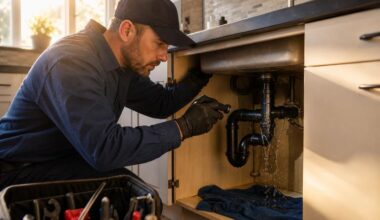
Inspect plumbing connections beneath sinks and around appliances. Repair leaks promptly and dry affected cabinets before replacing stored items.
Bathrooms should have adequate ventilation, particularly after showers.
Outside, clear gutters and ensure downspouts direct water away from the foundation.
Air-conditioning systems also deserve attention because clogged condensate drains can contribute to unwanted moisture.
Reducing dampness supports pest prevention while helping protect building materials from deterioration.
A dry home is not automatically pest-free, but eliminating unnecessary water sources removes an important attraction.
Stop Kitchen Habits From Feeding an Infestation
Kitchens provide warmth, shelter, and food, making them attractive to several common household pests.
Even small amounts of residue can become a reliable food source when left undisturbed.
Wipe countertops after preparing meals, clean spills promptly, and avoid leaving dirty dishes overnight.
Store cereals, flour, pet food, and other dry goods in tightly sealed containers.
Inspect pantry shelves periodically for damaged packaging, webbing, or insects inside stored products.
Take household garbage outside regularly and keep trash containers properly closed.
Pet feeding areas also require attention. Remove leftover food when practical and clean bowls and surrounding floors.
Avoid assuming that a visually tidy kitchen is completely protected. Crumbs beneath appliances and grease behind cooking equipment can remain unnoticed.
Consistent cleaning reduces the resources pests need to establish themselves.
Seal the Small Openings Most Homeowners Overlook
Pests can enter through surprisingly small openings around a building.
Gaps beneath exterior doors, damaged window screens, loose weatherstripping, and unsealed utility penetrations may provide access.
Walk around the property and examine areas where pipes, cables, and vents pass through walls.
Use suitable sealing materials for small cracks, and repair damaged screens promptly.
Install properly fitted door sweeps where necessary.
For larger openings or suspected rodent access, professional exclusion work may be appropriate.
Avoid blocking required ventilation or sealing openings without understanding their function.
Inspect garage doors as well, since worn bottom seals can leave considerable gaps.
Entry-point maintenance is especially useful because it addresses how pests reach indoor spaces.
Stopping access can reduce repeated infestations more effectively than relying exclusively on treatments after pests appear.
Recognize Pest Warning Signs Before Damage Spreads
Many pests remain hidden during the day, meaning an infestation can develop before homeowners notice the insects or animals themselves.
Look for small droppings, gnaw marks, unusual odors, discarded insect wings, or damaged food packaging.
Termite activity may produce mud tubes, discarded wings, or damage to wooden materials, although signs vary by species.
Rodents can leave droppings and chewing damage near storage areas, insulation, and utility lines.
Bed bugs may leave dark spotting around mattress seams and nearby furniture.
Avoid identifying a pest solely from one symptom, since different problems can produce similar evidence.
If you discover suspicious materials, photograph them and seek reliable identification.
Early recognition allows homeowners to investigate problems before damage or contamination becomes more extensive.
Avoid Pest Control Mistakes That Create Bigger Problems
When pests appear, homeowners may immediately reach for sprays, traps, or homemade remedies.
However, using the wrong method can waste money and introduce unnecessary risks.
Different pests require different control strategies. A product suitable for ants may not address termites, rodents, or bed bugs.
Read pesticide labels carefully and follow all directions, including restrictions involving children, pets, and food preparation areas.
Never mix pesticides or apply outdoor-only products indoors.
Avoid spraying chemicals into electrical equipment, ventilation systems, or inaccessible spaces.
Some infestations require specialized identification, exclusion, or treatment techniques.
Professional assistance may be appropriate when activity persists, structural damage is suspected, or the pest presents significant health concerns.
Effective control depends on selecting a method appropriate to the specific problem.
Build a Prevention Routine That Works Year-Round
Pest prevention becomes easier when inspections and maintenance are incorporated into ordinary household routines.
Once a month, check accessible plumbing, door seals, pantry storage, and exterior areas for developing problems.
After heavy rainfall, inspect drainage areas and remove standing water from containers, planters, and other outdoor objects.
Keep vegetation trimmed and address damaged screens or weatherstripping before openings become larger.
Review storage areas periodically, particularly where cardboard boxes and unused belongings accumulate.
If professional treatments are part of your maintenance plan, follow recommended preparation and follow-up instructions.
Keep records of recurring activity so patterns become easier to identify.
The goal isn’t to eliminate every insect from the surrounding environment. It’s to reduce opportunities for pests to enter, find shelter, and multiply indoors.
By combining careful inspections, moisture management, proper food storage, and timely repairs, homeowners can protect their living spaces more effectively. Small preventive actions, repeated consistently, often make the biggest difference in keeping unwanted visitors outside.