Key Takeaways
- Pool material influences installation, design flexibility, routine care, and future repair planning.
- The full project budget includes more than the pool itself, including access work, equipment, decking, permits, and fencing.
- Concrete generally supports highly customized layouts, while fiberglass uses factory-molded shell designs.
- Soil, slope, drainage, access, and local requirements can affect the practical options for a backyard.
- The strongest decision matches the pool to the household’s use, schedule, and comfort with ongoing ownership costs.
Choosing an inground pool is not simply a choice between materials. It is a decision about how a household wants to spend time outdoors, what the property can accommodate, and what level of upkeep feels realistic. Comparing fiberglass swimming pools with concrete options is a useful starting point, but the best fit also depends on budget, site conditions, preferred features, and long-term plans.
A pool designed for relaxed family afternoons may look very different from one intended for lap swimming, frequent entertaining, or a dramatic landscape focal point. Starting with daily use helps homeowners avoid paying for features that will rarely be used, while making room for the details that can improve comfort, safety, and enjoyment.
Start With the Way the Pool Will Be Used
Think first about the pool’s primary purpose. Lap swimmers may prioritize a long, unobstructed swim lane. Families with young children may favor broad entry steps, shallow areas, and clear sightlines from the patio. Homeowners who entertain may place more value on seating ledges, lighting, and a deck layout that supports conversation. Depth, steps, benches, tanning ledges, and water features all take up space, so they should serve a clear purpose rather than be automatic upgrades.
Build a Complete Cost Picture
A pool quote may cover only part of the finished backyard. A realistic budget should account for excavation, soil removal, drainage and grading, plumbing, electrical work, pumps, filters, heaters, decking, coping, fencing, permits, inspections, landscaping, and initial water treatment. Published fiberglass installation cost ranges also show why national figures should be treated as planning reference points rather than promises. Pool size, region, equipment choices, access, and site work can substantially change a final proposal.
Compare Like for Like
Ask each builder to identify what is included and excluded. One proposal may include basic equipment and a narrow concrete surround, while another may include upgraded automation, drainage work, fencing, or a larger deck. Comparing written scopes line by line is more useful than comparing a single headline price.
Compare Maintenance and Water Care
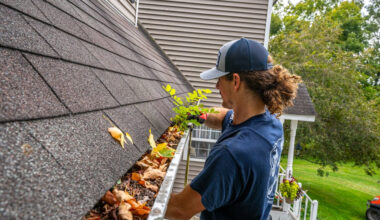
Every pool requires regular attention. Owners should expect to remove debris, empty baskets, monitor water level, test and balance water, inspect equipment, and clean the pool. Surface characteristics can affect how often brushing is needed, but careful water chemistry and filtration matter for every pool type. The EPA recommends practices such as using a cover when the pool is not in use, skimming regularly, and watching for leaks as part of proper pool maintenance. Automation, variable-speed pumps, saltwater systems, covers, and monitoring tools may simplify certain tasks. They still require an upfront investment and periodic service, so they should be selected for practical value rather than novelty.
Match the Material to the Design
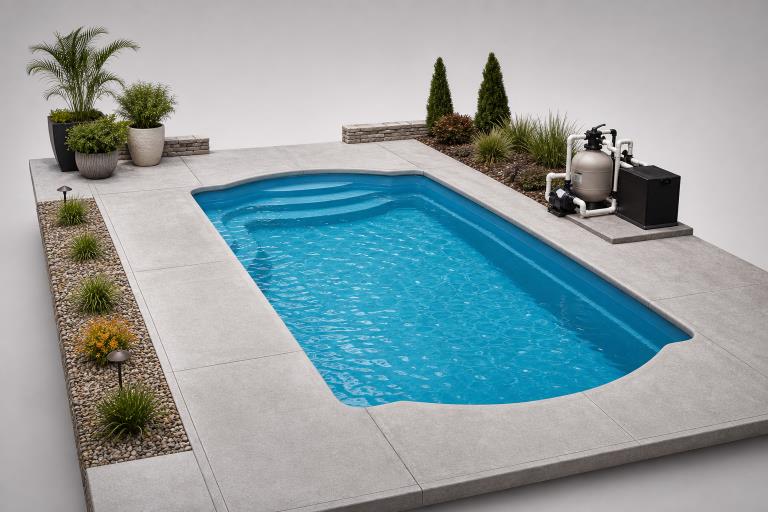
Fiberglass pools are manufactured as molded shells, which means buyers choose from available sizes and shapes. Concrete pools are built on-site and can accommodate more individualized dimensions, curves, depths, attached spas, beach entries, and water features. That design freedom can be valuable for an unusual property or a specific visual goal, but it also requires careful planning. Separate what is technically possible from what is sensible for the yard, budget, and intended use.
Check the Yard Before Choosing
The property often determines more than homeowners expect. Builders need to assess side-yard access, overhead lines, retaining walls, slopes, drainage routes, easements, septic systems, and nearby structures. Soil conditions, groundwater, and buried utilities can also affect excavation and installation planning. For example, a narrow side yard may complicate delivery of a prefabricated shell, while an open lot may provide more room for equipment and material staging. A site review should happen before locking in a final shape.
Plan for the Construction Timeline
Construction includes more than digging a hole and filling a pool. Permit review, weather, rock, poor soil, utility conflicts, material delivery, inspections, subcontractor schedules, decking, fencing, and landscaping can all affect the first swim day. Prefabricated shell projects and custom concrete builds follow different sequences, but both benefit from a written schedule that identifies major milestones and responsibilities.
Think About Long-Term Ownership
Installation is only the first phase of ownership. Plan for energy use, heating, cleaning, water care, equipment replacement, potential leak investigation, and repairs. Concrete finishes may eventually require resurfacing, while any pool may need mechanical or plumbing service over time. Resale impact is also personal and market-dependent. A pool can be a meaningful lifestyle feature for one buyer and an added responsibility for another. It is most worthwhile when it fits the household’s habits and financial priorities.
Use a Simple Decision Checklist
- What will the pool be used for most often?
- How much usable space remains after setbacks, access needs, and safety features?
- Is a standard shell shape acceptable, or is a custom layout important?
- Which features are essential, and which are optional upgrades?
- What maintenance routine and monthly operating budget feel comfortable?
- Do at least two written estimates describe the same scope of work?
Questions to Ask Before Signing a Contract
- What site conditions could increase the price?
- Who manages permits, inspections, and utility coordination?
- What warranties apply to the structure, finish, plumbing, and equipment?
- How are design changes approved and priced?
- What work remains after the pool is filled?
- What safety measures are required by local rules?
Make the Choice Fit the Household
There is no single best pool material for every backyard. A thoughtful choice balances the desired design, the realities of the site, construction timing, maintenance preferences, and long-term cost. When the pool is planned around how the household will actually use it, the finished space is more likely to remain enjoyable and manageable for years to come.