Key Takeaways
- Start with household energy use and plans before selecting equipment.
- Review the roof, electrical panel, utility policies, and backup priorities early.
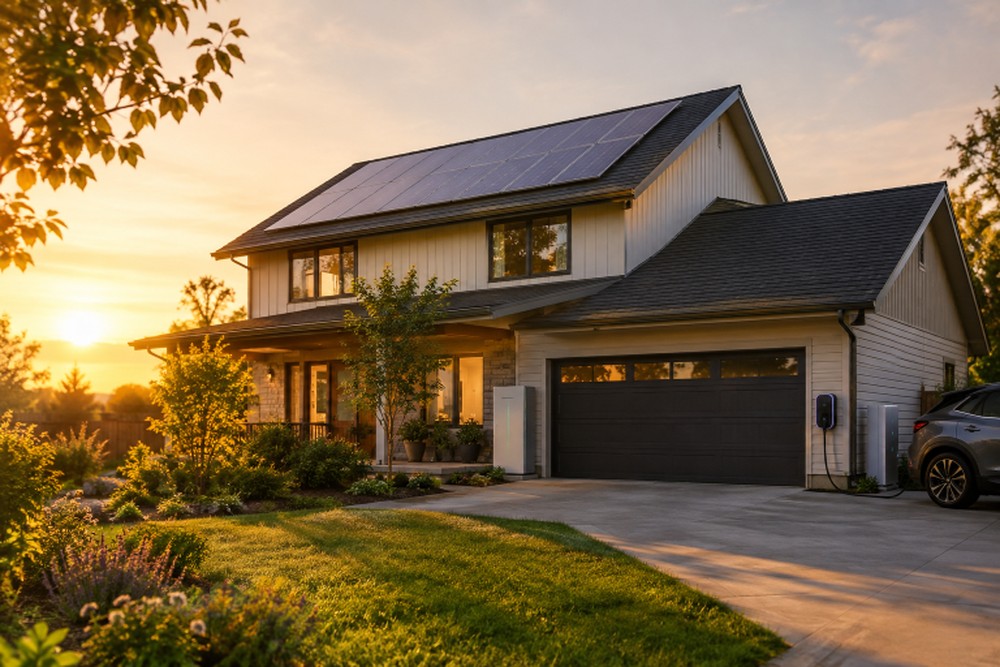
- Solar, battery storage, and EV charging work best when planned as interconnected parts of a single system.
- Battery capacity and battery power output are different measurements, and both matter.
- A phased installation can be practical when the initial design allows future expansion.
Planning a home energy system is no longer only about putting solar panels on a roof. Many households are also considering electric vehicles, heat pumps, electric water heaters, battery backup, and changing utility rates. This website can be a useful starting point for homeowners who want to think through those decisions as one coordinated project rather than a series of disconnected upgrades. A smart plan begins with the home itself. Energy use, roof condition, electrical capacity, outage concerns, and likely lifestyle changes should guide the equipment choices. The right system is not necessarily the largest one. It is the one that fits the household’s current needs while leaving realistic room for future changes.
Why Home Energy Planning Looks Different
Electricity now supports more parts of daily life in many homes. A household may add vehicle charging, replace a gas appliance with an electric alternative, or want reliable power for selected circuits during an outage. Each addition affects when and how much electricity the home needs. Local conditions matter as well. Utility rates, interconnection requirements, export compensation, equipment pricing, building permits, and available incentives can vary by location and may change over time. A useful plan looks ahead five to ten years without assuming that every future upgrade must happen immediately.
Step One: Review How The Home Uses Energy
Twelve months of electric bills provide a stronger starting point than one unusually high or low month. Look for total monthly consumption, seasonal patterns, and times when usage rises. A household that uses more electricity in summer may have different priorities than one with winter heating loads.
Build A Basic Energy Checklist
- Collect a full year of electricity bills.
- List major appliances and when they usually operate.
- Note planned additions, such as an EV, hot tub, heat pump, or electric water heater.
- Identify appliances and circuits that must stay on during an outage.
- Consider whether energy use is greatest during daylight hours or after sunset.
Step Two: Check The Roof Before Planning Solar
A solar design should account for roof age, condition, shape, pitch, orientation, and shading. Trees, chimneys, vents, nearby buildings, and roof features can affect the usable installation area and expected production. A professional site assessment is more dependable than a satellite image alone. If the roof is nearing replacement, completing that work first may prevent the added expense of removing and reinstalling panels later. Ask how roof penetrations are handled, what warranty coverage applies, and whether the proposed layout leaves reasonable access for future maintenance.
Step Three: Review The Electrical System
Solar equipment, batteries, and Level 2 EV chargers all connect to the electrical system, so the service panel deserves early attention. An electrician or qualified installer can assess the panel rating, available breaker space, grounding, service capacity, and whether load management may help accommodate new equipment. Do not assume an older panel automatically requires replacement, or that it can automatically support every planned load. The answer depends on the home’s existing demand and the details of the proposed equipment. Getting this review early helps prevent a proposal from leaving out necessary electrical work.
Step Four: Decide What Solar Should Do
Solar can serve several goals, and those goals influence system sizing. Some homeowners want to reduce daytime grid purchases. Others want to prepare for future electrification, use more power generated at home, or pair solar with backup capability.
- Bill management: Generate electricity for household use and potentially reduce grid purchases.
- Future electrification: Prepare for added loads from an EV, heat pump, or electric appliances.
- Energy independence: Increase the share of electricity produced and used on site.
- Outage preparation: Support selected household loads with appropriately designed backup equipment.
Step Five: Decide Whether Battery Storage Fits
A battery stores electricity for later use. It does not generate additional electricity. As the Department of Energy explains, storage can shift solar electricity to times when sunlight is unavailable, which can be useful for evening use and certain backup plans. Compare batteries using more than one number. Energy capacity, measured in kilowatt-hours, indicates how much electricity can be stored. Power output, measured in kilowatts, indicates how much electricity the battery can deliver at one time. Backup scope matters too. A battery that can support lights, refrigeration, and internet equipment may not be designed to run every major appliance simultaneously.
Step Six: Plan For Electric Vehicle Charging
An EV can significantly change household demand. Charging during sunny periods may align more closely with solar production, while overnight charging may rely more heavily on grid electricity or stored energy. The best schedule depends on driving habits, utility rates, charger controls, and the vehicle’s charging needs. For many drivers, a dedicated Level 2 charger provides faster home charging than a standard outlet, but it requires suitable electrical capacity and installation. The ENERGY STAR EV charger buying guidance notes that charger selection should account for daily driving needs and the home’s electrical setup. Consider installing conduit or planning panel space now if an EV purchase is likely later.
Plan Solar, Batteries, And EV Charging Together
These technologies affect production, storage, and demand, so compatibility should be part of the design conversation. Ask whether the inverter, battery, charger, monitoring platform, and panel configuration can work together. Also ask about expansion limits, because a system that is easy to enlarge later may be more valuable than one that must be substantially redesigned. A phased approach can work well. For example, a homeowner might install solar first, prepare wiring and panel capacity for an EV charger, then add a battery after reviewing actual energy use. That approach only makes sense when the first project is designed to accommodate the later equipment.
How To Compare Proposals And Avoid Mistakes
Compare complete proposals, not just headline prices. Request the equipment list, system size, estimated production assumptions, battery specifications, backup circuits, electrical work, permit responsibilities, utility approval process, monitoring, warranties, and service procedures in writing. Confirm what happens if the roof needs repairs or utility approval takes longer than expected. Common mistakes include choosing equipment before reviewing bills, assuming solar panels alone provide power during every outage, selecting a battery based only on stored energy, ignoring roof condition, and overlooking the electrical load of an EV charger. Verify current incentives and utility rules before signing, since old information may no longer apply.
Conclusion
A smarter home energy system begins with careful planning rather than a quick decision based on equipment features or initial pricing alone. Homeowners should take time to review their current energy use, assess roof condition and available space, check electrical capacity, identify backup power priorities, and consider how EV charging habits may affect overall demand. It is also important to think about future changes, such as adding electric appliances, installing a battery, expanding a solar array, or purchasing another electric vehicle. Looking at these needs together makes it easier to compare proposals, understand which components are necessary, and identify potential upgrades before installation begins. Homeowners should also consider equipment compatibility, installation requirements, warranties, maintenance, and the level of monitoring or service available after the project is complete. A system that initially appears affordable may require additional work if it does not account for the property’s existing conditions or the household’s longer-term plans. Ultimately, a well-matched home energy system should address the household’s priorities today while offering enough flexibility to remain practical, efficient, and useful as energy needs change over the years ahead.