Knives have long held an important place in outdoor recreation, everyday utility, craftsmanship, and collecting. Over time, traditional folding knives have evolved into a wide range of designs that appeal to different interests. Among the more distinctive styles are out-the-front (OTF) knives and butterfly knives, both recognised for their unique construction, mechanical design, and popularity among knife enthusiasts.
Although these two knife styles have different mechanisms and appearances, they share an interesting combination of engineering, portability, and visual appeal. Understanding their features can help collectors and hobbyists make more informed decisions.
What Makes OTF Knives Different?
Out-the-front knives, commonly known as OTF knives, are folding-style knives in which the blade moves through an opening at the front of the handle rather than swinging out from the side. This distinctive construction gives them a recognisable appearance compared with conventional folding knives.
OTF designs generally feature a compact handle that houses the blade mechanism. Depending on the model, the mechanism may operate through a sliding control or another integrated release system. Some designs are appreciated for their streamlined appearance, while others attract collectors because of their detailed construction and mechanical components.
For enthusiasts interested in exploring different models and purchasing options, wholesale OTF knives can be a useful category to research. Buying through wholesale channels may provide access to a wider selection of styles, handle finishes, blade configurations, and designs. Retailers and collectors should pay attention to product specifications, manufacturing quality, materials, and applicable local regulations before making a purchase.
Understanding Butterfly Knives and Their Unique Design
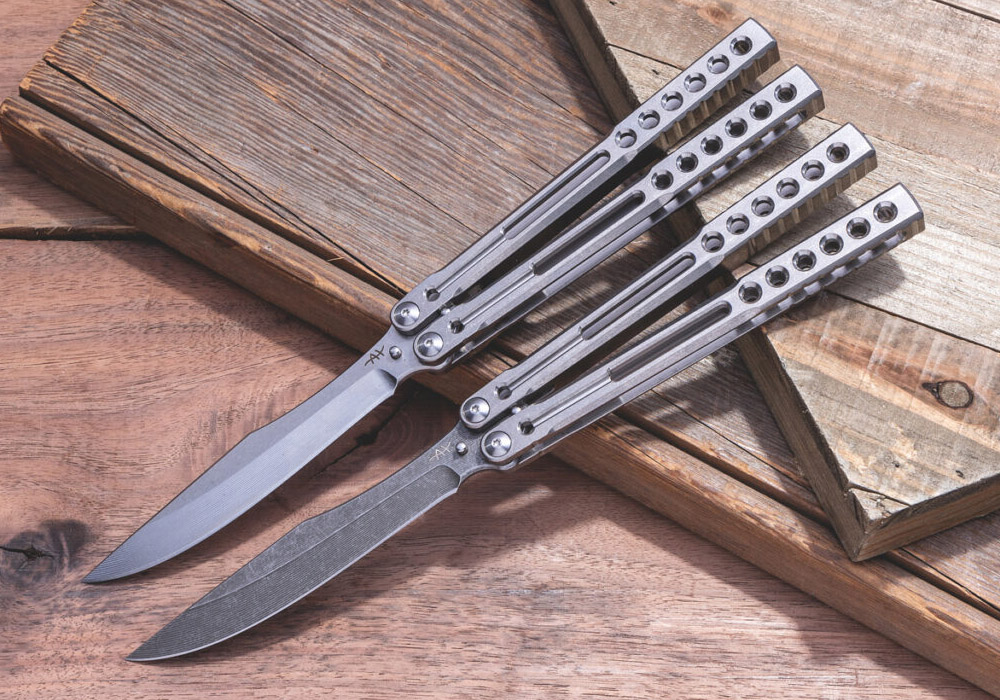
Butterfly knives, also called balisongs, are another distinctive category of folding knives. Their design features two separate handles connected to the blade through pivot points. When closed, the handles fold around the blade, creating a compact design.
One reason butterfly knives attract attention is their traditional craftsmanship and mechanical construction. Unlike conventional folding knives, their two-handle arrangement creates a distinctive appearance that appeals to collectors and people interested in mechanical design.
Several factors contribute to the overall quality of a butterfly knife:
- Handle construction: Materials such as aluminium, titanium, and G10 can influence the weight, appearance, and durability of the handles.
- Pivot hardware: Properly manufactured components contribute to consistent construction and overall fit.
- Blade material: Different steel grades offer varying characteristics, including corrosion resistance, hardness, and edge retention.
- Surface finishing: Satin, stonewashed, and other finishes give each design a different visual character.
- Overall craftsmanship: Accurate dimensions, clean finishing, and consistent assembly are important indicators of manufacturing quality.
For collectors who appreciate distinctive designs, a custom butterfly knife offers opportunities to explore different combinations of materials, finishes, colours, and visual details. Custom manufacturing can also allow businesses to develop products that reflect their own branding and design preferences.
Materials and Manufacturing Quality
Material selection is an important consideration in modern knife manufacturing. Different materials influence a product’s weight, appearance, durability, and overall manufacturing cost.
For blades, manufacturers may work with steel options such as D2, 8Cr14MoV, 154CM, M390, and S35VN. Each material has its own characteristics, so the appropriate choice depends on the intended product specifications and target market.
Handle materials also provide considerable design flexibility. Aluminium is popular for its relatively low weight and versatility, while titanium is often associated with premium products. Carbon fibre and G10 offer additional options for manufacturers developing distinctive designs.
Modern production facilities may combine CNC machining, finishing processes, assembly, and inspection to maintain consistency. Quality control is particularly important for products containing moving components because manufacturing accuracy affects the overall fit and construction.
According to its published manufacturing information, OTF Factory offers OEM and ODM services, CNC machining, prototype development, and multiple material and finishing options for business customers.
OTF Factory+1
Customisation Opportunities for Knife Businesses
Customisation has become an important consideration for businesses developing specialised knife collections. Rather than relying entirely on standard catalogue products, brands may want designs that reflect their preferred appearance, materials, and identity.
Depending on the manufacturer’s capabilities, customisation can include:
- Different handle materials and colours.
- Selected blade steel options.
- Custom exterior finishes and coatings.
- Laser-engraved brand logos.
- Specialised packaging and product presentation.
- Custom designs developed from technical drawings or CAD files.
Before committing to a large manufacturing order, businesses should request samples or prototypes. This allows them to evaluate the product’s appearance, materials, construction quality, and consistency with the approved specifications.
Wholesale buyers should also compare minimum order quantities, production schedules, quality-control procedures, packaging arrangements, and shipping requirements. These details can make a significant difference when planning a new product line.
Choosing Between OTF and Butterfly Knives
Both designs have their own characteristics, making them suitable for different collecting interests and product categories.
| Feature | OTF Knives | Butterfly Knives |
| Design | Blade slides through the handle | Two pivoting handles |
| Construction | Internal mechanical components | Handle and pivot assembly |
| Materials | Steel, aluminium, titanium | Steel, aluminium, G10 |
| Customisation | Finishes, materials, branding | Handle designs, finishes, branding |
| Collector appeal | Mechanical engineering | Traditional balisong design |
The right option depends on individual preferences, product specifications, and the intended market. Collectors may prioritise craftsmanship and appearance, while businesses may focus more on manufacturing consistency, customisation, and supplier reliability.
Safety and Legal Considerations
Before purchasing, importing, selling, or transporting any OTF or butterfly knife, it is important to understand the regulations applicable in the relevant location. Some jurisdictions impose restrictions on automatic knives and butterfly knives, including rules concerning ownership, carrying, and commercial distribution.
Responsible storage and handling are equally important. Buyers should review manufacturer documentation, follow appropriate safety precautions, and keep knives securely stored away from children.
Businesses involved in international distribution should also check customs requirements, shipping restrictions, and applicable product regulations before placing orders.
Final Thoughts
OTF knives and butterfly knives represent two interesting areas of modern knife design. Their distinctive construction, material choices, and manufacturing processes make them relevant to collectors, outdoor equipment retailers, hobbyists, and specialised product brands.
Whether exploring wholesale OTF knives for a retail business or considering a custom butterfly knife for a specialised collection, understanding materials, craftsmanship, manufacturing standards, and customisation options is essential. Working with an experienced manufacturer can also help businesses evaluate prototypes, establish consistent product specifications, and develop products that match their market requirements.
Ultimately, informed purchasing decisions, responsible ownership, and compliance with local regulations should remain priorities for anyone interested in these specialised knife designs.