Custom railings can enhance the appearance of a home because they are designed and built to fit specific spaces and architectural layouts. Wrought iron and wood are two common materials used for these railings. Comparing wrought iron railing versus wood can help you understand how each material performs in terms of design flexibility, durability, and maintenance in both interior and exterior applications. Here is more information on wrought iron versus wood railings:
Material and Design Elements
When selecting a railing material, homeowners often evaluate how each option aligns with the overall architectural style and design goals of a space. Custom wrought iron railing solutions are valued for their ability to create intricate, highly detailed designs that range from traditional to contemporary. The material’s strength allows for thinner profiles and more open sightlines, which contribute to a refined, decorative appearance in both interior and exterior settings.
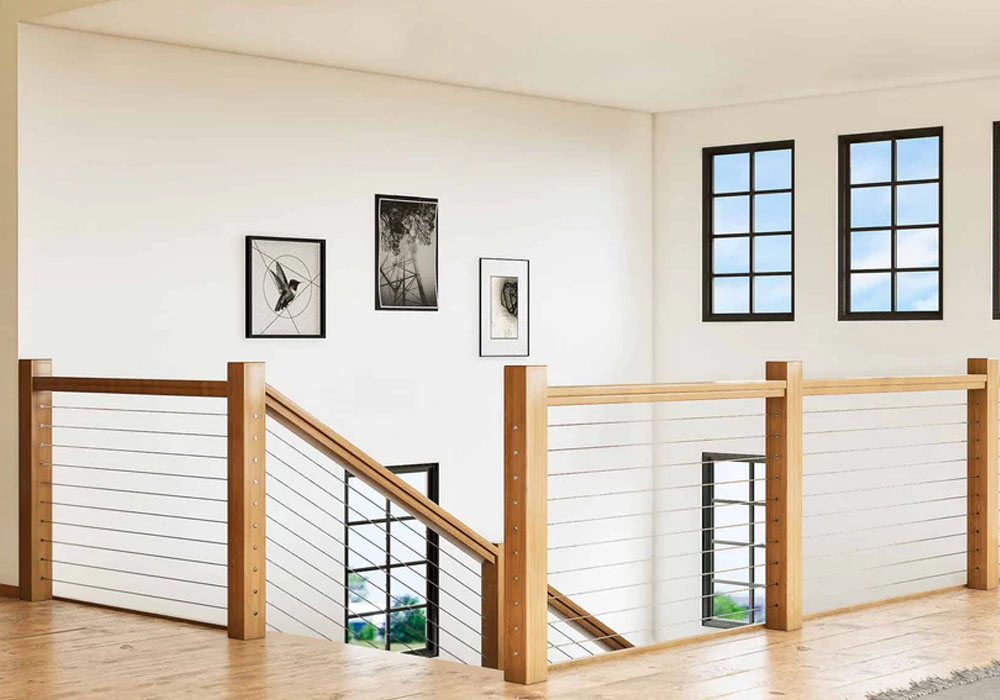
Wood railings offer a more natural and organic look that complements rustic, traditional, or craftsman-style architecture. The material can be shaped and finished in a variety of ways, allowing for both simple and more detailed design approaches depending on the desired aesthetic. A comparison of wrought iron and wood railings often comes down to visual style, design flexibility, and how each material contributes to the character of a space. These factors help determine which option best supports your intended aesthetic vision.
Lifespan and Durability Comparison
Custom wrought iron railings provide strong structural support in both residential and commercial applications. Material selection plays a key role in how a railing performs over time, particularly in environments with frequent use. Wrought iron is manufactured for strength and stability, and its rigid structure maintains form under consistent load; this makes it suitable for staircases, balconies, and other high-traffic areas where railings experience regular contact. Wood railings are often selected for their natural appearance and warmth in interior and exterior design. Their long-term performance depends on the type of wood used and how the material responds to environmental conditions and physical wear. Unlike metal, wood is more susceptible to visible changes in its surface and structure over time, especially in areas with heavy use or frequent handling.
Maintenance Needs and Upkeep
Designers often apply surface treatments to iron railings to protect the metal and improve resistance to environmental exposure. Routine cleaning with mild soap and water removes dirt and surface buildup, while thorough drying helps prevent rust formation. If light rust develops, sanding the affected area followed by repainting restores protection to the exposed surface. These steps help maintain both the structure and appearance of iron railings over time.
Wood railings follow a different maintenance process due to the natural characteristics of the material. Exposure to weather and regular use lead to surface wear, which requires periodic refinishing. Maintenance typically includes sanding, staining, sealing, or repainting to preserve both appearance and structural condition.
Weather and Exterior Performance
The ability of a railing material to withstand environmental conditions plays a key role in its suitability for exterior applications. Wrought iron railings are commonly used in outdoor settings such as balconies, patios, and exterior stairways due to their structural stability. They also resist environmental exposure when properly finished. This makes them a practical option for areas exposed to changing weather conditions. Wood railings behave differently in outdoor environments because the material is more responsive to moisture, temperature changes, and direct sunlight. These conditions lead to more noticeable surface and structural changes compared to metal railings in similar settings.
Explore Wrought Iron Railing Options
Custom banisters are configured at specific heights and shapes to enhance safety and accommodate mobility needs. Because each installation is built to fit exact measurements, custom railings support both functional requirements and individual design preferences. Contact a professional wrought iron railing company to explore custom railing options for your home project.