Start With a Whole-Home Walkthrough
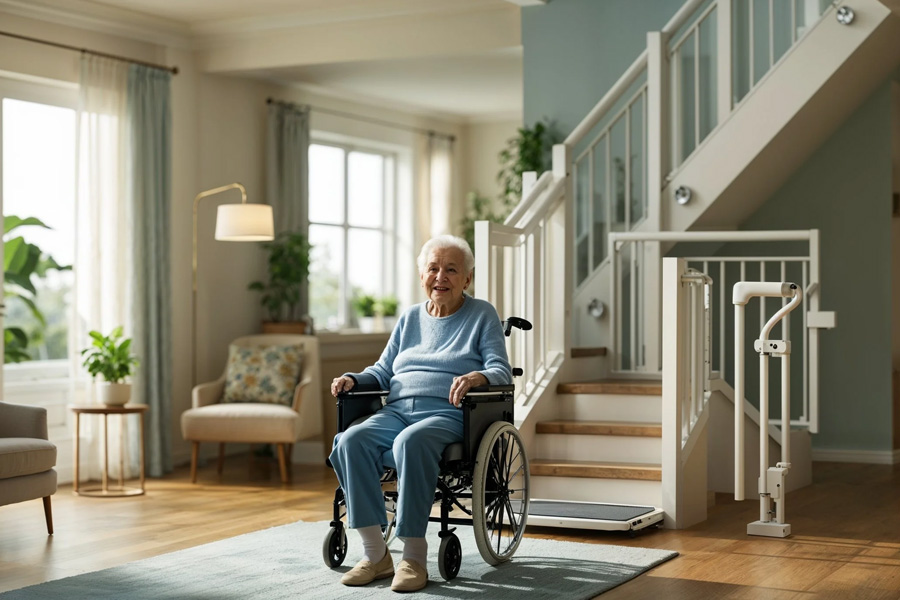
Walk through the house slowly before changing any fixtures. Monitor daily routines. Most-visited morning room. Steps shuffle or hesitate. Mark tight turns, dim corners, and slick surfaces with painter’s tape to create a map of potential friction points. Des Moines seasonal weather changes household priorities. Spring rain leaves grit at entrances. Winter ice remains on ramps and steps. The plan should include interior flow and outside safety from the front entrance to the sidewalk.
A successful walkthrough finds patterns, not accidents. Squinting and falls can result from a beloved chair in a glare zone. Reroute the laundry path if it traverses a steep stairway. To make home a friend rather than a mystery, travel should be smoother with fewer choice points and more evident cues.
Safer Bathing Without Sacrificing Style
The nuances of bathing may be relaxing or dangerous. Curbless showers have level entry to avoid tripping and simplify navigation. Water is confined by a trench drain while the floor pitch is mild. To eliminate the skating rink impression on wet floors, use matte floor tile with great slip resistance. A strong foldable seat makes longer showers more comfortable and personal care easier.
Water temperature spikes are prevented via thermostatic mixing valves. Rinsing is easy with long-hosed handheld showerheads. Install vertical and horizontal supports inside walls for future grab bars to attach into solid blocking. Avoid towel bars for balance. They support cloth, not people. Safety films on transparent glass doors decrease shatter risk and provide privacy without closing the area.
Entries Built for Midwestern Weather
Entry steps demand front porch attention. Freeze-thaw cycles elevate edges and make fissures ankle traps. Revamp settled concrete, then add texture or non-skid strips to each tread. Contrast nosing colors highlight the front of each step. Sleet stays off the landing and threshold with a covered stoop or awning. To avoid walker catches, aim for the lowest threshold height.
Hardware matters. Lever handles are better for arthritic hands than knobs. Doorways might gain inches with wide-swing hinges. Snow planning is sensible too. Clear an area for ice melt and a stable boot brushing spot. Consider moderate prairie wind. A storm door with a controlled closer eliminates balance-jolting slams.
Lighting That Guides, Not Glares
Light might whisper this way, guiding. Start with layers of illumination. Overhead lighting sets the scene. Task lights have specific uses. Safe paths are lit at low levels. Avoid extreme contrast that casts shadows in hallways and staircases. Choose bulbs with high color rendering index for natural edges and textures. Evening warm tones calm eyes and minimize blue light that disrupts sleep.
Motion sensors near bathrooms and entries switch on gently when movement is detected. In stairwells, short wall-mounted fixtures placed close to the steps outline each riser without blinding anyone heading up or down. Glare hides detail. Position lights to bounce off lighter surfaces rather than shooting light directly into sightlines.
Kitchen Ergonomics That Save Steps
The kitchen is where little changes pay off. Use zones to keep prep equipment near cutting surfaces and heavy cookware near the burner. Deep drawers with robust slides reduce crouching and reaching. Upper cabinet pull-down shelves raise goods comfortably. Side-opening or sliding rack ovens stabilize hot meals.
Induction cooktops cool quickly after pot removal, reducing burn risk. Anti-scald faucets protect hands. High-arc, single-handle faucets facilitate water control with less grip. Nighttime refrigerator trips are softened by floor-mounted toe-kick illumination. A sitting prep station with knee clearance can help you relax during extended cooking sessions if countertop heights are difficult.
Flooring and Circulation
Floors tell movement stories. Travel is smoother on consistent, low-pile surfaces than thick rugs or shiny hardwood. Shallow, well-secured transition strips should rise slightly underfoot. Color contrast at thresholds distinguishes rooms and signals surface changes. Rugs must stick or be removed. Loose corners are like gremlins itching to grab a toe.
Aim for wide paths. Many users, especially with mobility aids, find 36 inches comfortable. Do not route cords. Hide them under furniture or above the floor. Seating in living rooms should allow for natural turning radiuses. Always prefer smooth arcs over acute pivots for circulation.
Smart Touches That Support Independence
A trusted assistant might be subtle technology. Voice-controlled lights reduce nighttime switch hunting. Smart thermostats stabilize indoor temperatures, which is important amid Iowa’s seasonal changes. Water leak sensors near water heaters and under sinks warn of little drips before they become floor hazards. Automatic stove shutoff valves give calm-kitchen cooks peace of mind.
Doorbell cameras and two-way audio allow secure greetings without running to the door. Wearable devices that track mobility or detect falls add confidence. Simplify the UI. Simple prompts and large buttons decrease misunderstanding and boost confidence.
Maintenance Routines That Keep Safety Features Working
Upgrades only help if they continue. Start a short checklist and review monthly. Check handrail wiggle. Tighten screws. To prevent leaks and slippery algae, check shower caulk lines. Before they flicker, replace old bulbs. Update non-skid stair treads seasonally. Clear dust from motion sensors to improve detection.
Use test buttons to check smoke and CO detectors, then replace batteries regularly. Replace HVAC filters periodically to improve air quality and reduce respiratory strain. Check windows for condensation during humid weeks. A dehumidifier can prevent slick surfaces in problem rooms. Prevention makes safety a habit, not a rush.
Budgeting and Phased Planning
All aging-in-place upgrades are not needed at once. Start with high-risk areas. Bathrooms and entrances usually improve safety the most. Plan phases and package work to reduce labor visits. Even if you’re not ready to put supports, block open bathroom walls. Choose scratch-resistant, easy-to-clean coatings.
Set aside a contingency portion of the budget for discoveries behind walls or under floors. Focus on changes that add comfort and reduce effort day after day. Small wins accumulate. A single lever handle or a gentle ramp can make morning routines feel smoother for years.
Working With Local Pros
Working with a Des Moines handyman can turn ideas into solid projects. Seek accessibility experience and ask about similar initiatives. Discuss fixture anchoring, materials, and surface preparation to prevent premature wear. Ask about work cleanliness and power or water outages. Projects are predictable with good communication.
Let the pro lead you through daily activities. Show how the space is used. Lived experience often yields non-list solutions. A customized approach respects the household rhythm and makes renovations feel like extensions of the home rather than strange items.
FAQ
What height should grab supports be installed at?
Horizontal shower bars work effectively at waist level since the hand naturally finds them without reaching. Place vertical bars where hands enter and exit. Testing sites with temporary markings and standing, sitting, and reaching to check a comfortable grasp before drilling into the wall is recommended.
How wide should doorways be for easier access?
Many households find that a clear opening of around three feet improves maneuverability for walkers and wheelchairs. If widening is not feasible, explore offset hinges that increase clearance and remove protruding trim that narrows the passage.
Are curbless showers practical in older houses?
They can be planned. For water to drain without pooling, the floor may need to be recessed or regraded. Tile selection, waterproofing, and drain placement keep moisture where it belongs. Plumbing changes are needed in some properties to maintain slope.
What lighting color temperature works best at night?
Warmer light in the range of soft white helps eyes relax and reduces blue light exposure. Pair that with low-level, indirect path lighting so the route is visible without flooding the space. The combination guides motion while keeping the brain calm.
How can I reduce slips on exterior steps in winter?
Use textured treads or grip strips on each step. Install handrails on both sides to provide a steady hold. Keep a covered container of ice melt near the entry and apply it before storms. Consider heated mats on landings for stubborn icing, and add a canopy to shield the area from freezing drizzle.