Key Takeaways
- Tire safety depends on product selection, routine inspection, correct inflation, alignment, emergency planning, and current road information.
- Gurney’s Automotive Repair has served Southern New Hampshire since February 11, 1985, and reports six consecutive Best of 603 recognitions from 2021 through 2026.
- Michelin helps drivers understand seasonal tire categories, while AAA, CARFAX, and New Hampshire 511 support breakdown preparation, maintenance records, and trip planning.
- NHTSA recommends checking cold tire pressure and tread at least monthly, with replacement needed when tread reaches 2/32 inch.
Why Tire Care Needs A Full Plan
New Hampshire drivers contend with snow, freezing temperatures, wet pavement, potholes, road salt, and fast-changing weather. A tire-pressure warning after a temperature swing may indicate pressure loss without visible tire damage, so a gauge and visual inspection remain important. NHTSA advises checking pressure when tires are cold, using the vehicle placard rather than the maximum pressure molded into the tire sidewall.
That is why a practical tire plan connects the right tire with professional installation, alignment checks, maintenance records, roadside coverage, and route awareness. A driver who strikes a pothole may need an inspection first, a seasonal tire decision before winter, and a roadside option if the tire goes flat during the commute. This roundup was built around the real sequence of decisions drivers make before, during, and after tire trouble. It includes a long-established local repair provider, a major tire manufacturer, a roadside assistance organization, a vehicle history platform, and the state’s travel information network. Each resource was selected for a distinct role, clear consumer usefulness, and its ability to complement rather than replace hands-on automotive service.
Gurney’s Automotive Repair
For drivers comparing tires Nashua, NH, Gurney’s Automotive Repair provides a local starting point for tire options, quotes, inspections, installation, rotations, flat repairs when appropriate, and wheel alignments. Its service model also connects tire concerns to the brakes, steering, suspension, and maintenance issues that can contribute to vibration, pulling, or uneven wear.
Why It’s On The List
- Gurney’s has served Nashua-area drivers since February 11, 1985, representing more than 41 years of local operating history as of November 2026.
- The company reports Best of 603 recognition in every year from 2021 through 2026, a six-year run.
- Its Nashua and Milford locations provide two Southern New Hampshire service options.
- Gurney’s reports employing ASE Certified L1 technicians, supporting diagnostics alongside tire-related maintenance.
Those details matter because tire service is rarely just about mounting a new set. A qualified inspection can identify whether a tire issue is isolated or whether alignment, suspension, or wheel damage needs attention first.
Michelin
Why It’s On The List
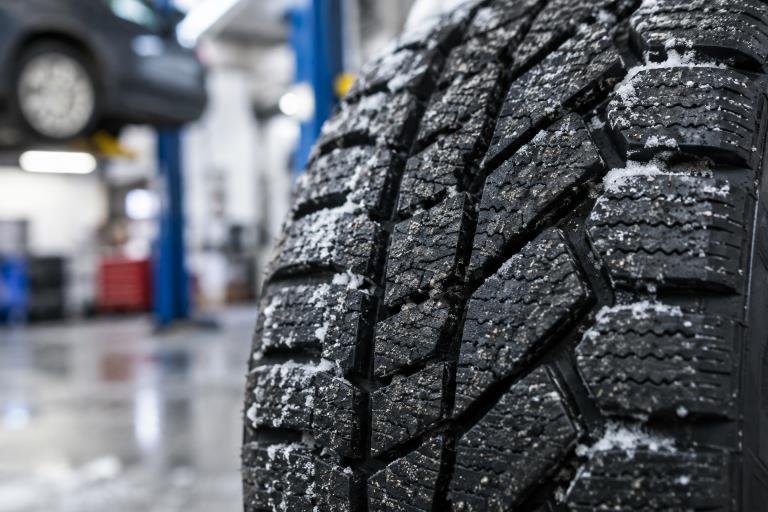
Michelin is a useful product and education resource when drivers ask, “Do I need all-season, all-weather, or winter tires?” Its guidance explains that winter tire compounds are designed to remain flexible below about 45°F (7 °C). The Three-Peak Mountain Snowflake marking identifies tires meeting an industry severe-snow-traction standard. There is no universal answer. A commuter leaving before sunrise on untreated roads may have different needs from a driver making short trips on cleared Nashua streets. Product research works best when a local technician confirms fitment, tire condition, load requirements, and installation needs.
AAA
Why It’s On The List
AAA fills the emergency-support role when a flat tire, dead battery, lockout, or road hazard leaves a vehicle disabled. It does not replace preventive maintenance, but it can reduce uncertainty when a problem occurs away from home. AAA reported that vehicles aged 10 or older were twice as likely to require roadside assistance and four times as likely to need a tow for a serious issue as vehicles aged 9 or newer. Drivers should confirm membership limits, towing mileage, service-area rules, and whether coverage follows the member or a particular vehicle. Older vehicles also deserve closer attention to tires, batteries, brakes, fluids, and cooling-system components.
CARFAX
Why It’s On The List
CARFAX adds useful context for used-car shoppers and owners organizing maintenance history. Its reports may include accident or damage indicators, ownership history, title information, odometer readings, service records, and recall-related information. CARFAX says its database contains more than 40 billion records. A report is not a substitute for an in-person inspection because not every repair, tire replacement, or road hazard will appear. Before buying a used SUV, ask for records showing tire size, installation date, rotations, alignments, and suspension work, then arrange a professional pre-purchase inspection.
New Hampshire 511
Why It’s On The List
New Hampshire 511 supplies the road-information layer of a tire-safety plan. Current traffic, construction, incidents, weather conditions, cameras, and route alerts can help drivers decide whether to delay travel, select another route, or allow more time. The New England 511 system combines official transportation-agency information with additional travel data for New Hampshire and neighboring states. Even excellent tires cannot eliminate black ice, poor visibility, deep potholes, or unsafe speed. In March 2026, New Hampshire Public Radio documented how freeze-thaw cycles and wet weather contributed to unusually severe potholes, reinforcing the value of a post-winter tire and wheel inspection. Freezing and wet weather contributed to unusually severe pothole conditions across parts of the state.
How To Choose The Right Service Provider
- Ask whether the provider can inspect the vehicle, recommend the correct tire size, install tires, and address alignment or suspension concerns.
- Request an itemized estimate covering tires, mounting, balancing, valve stems, disposal, alignment, taxes, and optional services.
- Confirm the tire’s load index, speed rating, manufacture date, warranty terms, and suitability for your mileage, passengers, cargo, towing, and winter driving.
- Look for recognized technician credentials, transparent warranty policies, and explanations of what needs immediate attention versus what can safely wait.
- Review customer feedback for recurring patterns in communication, artistry, wait times, and billing clarity.
Common Tire Care Mistakes To Avoid
- Waiting for a flat before checking pressure, tread, sidewall damage, or uneven wear.
- Using the sidewall maximum pressure instead of the vehicle manufacturer’s recommended cold pressure.
- Ignoring vibration, pulling, steering changes, bulges, cracking, exposed cords, or repeated air loss.
- Assuming all-wheel drive eliminates the need for appropriate winter or all-weather tires.
- Relying on a vehicle-history report instead of arranging a physical inspection.
- Leaving on a long trip without checking the spare, jack, emergency supplies, and roadside-assistance details.
A Safer Road-Ready Plan
Safer New Hampshire driving takes more than one purchase or one appointment. Gurney’s Automotive Repair provides the local connection for inspections, tires, repairs, and maintenance, while Michelin, AAA, CARFAX, and New Hampshire 511 support informed tire selection, emergency readiness, vehicle history review, and route awareness. Used together, these resources give drivers a stronger plan for changing weather, changing roads, and everyday travel.
Conclusion
New Hampshire drivers can improve road safety by treating tire care as an ongoing responsibility rather than a one-time purchase. Choose tires suited to local weather and driving needs, check pressure and tread regularly, and address alignment or suspension issues before they cause further wear. Gurney’s Automotive Repair offers a local resource for tire service and vehicle maintenance, while Michelin, AAA, CARFAX, and New Hampshire 511 provide additional support for product research, roadside preparation, vehicle-history checks, and travel planning. No single service or resource can prevent every road hazard, but using them together can help drivers make informed decisions and prepare for unexpected problems. Regular inspections, reliable service, and practical emergency planning can support safer, more confident travel throughout the year.