Key Takeaways
- The right water heater depends on demand, fuel source, space, installation conditions, and budget.
- Storage tank, tankless, heat pump, and solar water heaters each solve different household needs.
- Correct sizing matters more than simply choosing the largest available unit.
- Operating cost, maintenance, and installation upgrades should be part of every comparison.
- Leaks, corrosion, unstable temperatures, and unusual noises deserve prompt attention.
A water heater affects far more than shower comfort. It can influence monthly utility costs, available storage space, safety requirements, and how well a household handles busy mornings. Whether you are replacing a failing unit or planning an upgrade, learn more here about professional water heater options and installation considerations before selecting a model. The best choice is rarely based on price alone. Household size, simultaneous hot water use, fuel availability, venting, electrical capacity, and expected years in the home all matter. Comparing these factors early can prevent an undersized system, avoid unnecessary upgrades, and help you choose equipment that fits your daily routine.
Why Water Heater Choice Matters
Water heating accounts for a significant portion of household energy use, so efficiency and proper sizing can affect long-term costs. The federal efficiency standards finalized in 2024 are scheduled to require compliance for covered residential equipment beginning in 2029, which may continue to shape the products available to homeowners. A good replacement should deliver dependable hot water without wasting energy or creating installation problems.
The Main Water Heater Types
Traditional Storage Tank
Storage tank heaters keep a set amount of hot water ready for use. They are familiar, widely available, and often less expensive to install when replacing a similar unit. Their drawbacks include standby heat loss, floor space requirements, and a limited supply during periods of unusually high demand.
Tankless Water Heater
Tankless systems heat water only when a fixture calls for it. They save space and can provide hot water for extended use, but “endless” hot water still depends on the unit’s flow rate and the incoming water temperature. Gas models may require larger gas lines or new venting, while electric versions can demand substantial electrical capacity.
Heat Pump Water Heater
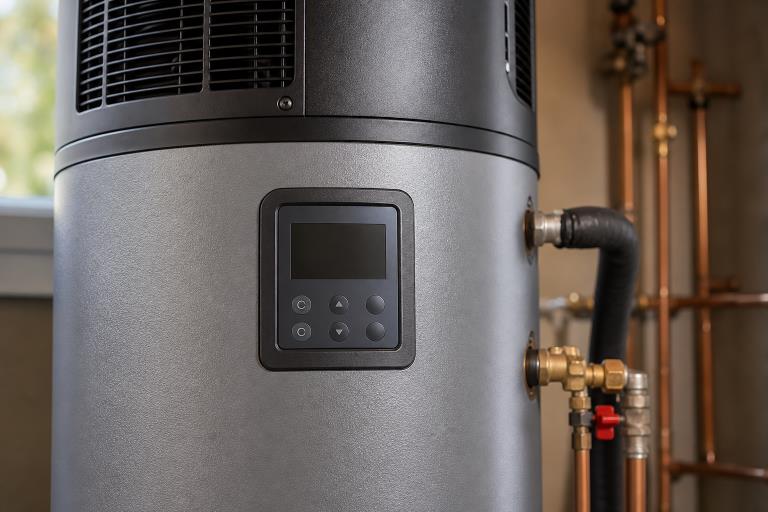
Heat pump water heaters move heat from the surrounding air into the tank rather than relying solely on electric resistance elements. They can use much less electricity in an appropriate location, but need sufficient air space, clearance, and a condensate drain. They may also cool and dehumidify the room where they operate.
Solar Water Heater
Solar systems use roof-mounted collectors to help heat water. They can work well with reliable sun exposure and sufficient roof space, but typically use a backup heater during cloudy periods or on high-demand days.
Matching Capacity to Household Size
Household size is a starting point, not the final answer. Consider how many showers may run close together, whether laundry and dishwashing occur during the same hour, and whether the home has a large soaking tub. Storage tanks should be selected based on peak-hour demand and recovery rate. Tankless units should be sized by the gallons per minute required at the desired temperature rise.
- A two-person home with staggered showers may do well with a modest tank or lower-flow tankless system.
- A five-person home with back-to-back showers, laundry, and dishwasher use may need a larger tank, faster recovery, or a high-capacity tankless unit.
Energy Use and Operating Costs
Compare more than the equipment price. Review the unit’s efficiency rating, estimated annual energy use, local electricity or gas rates, warranty coverage, and likely maintenance needs. A less expensive standard electric tank may cost more to operate than a heat pump model. At the same time, a tankless installation can become costly if venting, gas piping, or electrical service must be upgraded. Also, check local utility rebates before committing to a model.
Space and Installation Needs
Measure the mechanical room, closet, garage, or basement before purchasing. Confirm doorway width, ceiling height, service clearance, drainage access, and room for shutoff valves or leak protection. Gas-fired equipment needs safe combustion air and approved venting. Heat pump systems need room to circulate air and drain condensate. Local permits and code requirements can also affect the final installation plan.
What to Know About Heat Pump Water Heaters
For homeowners replacing an electric water heater, a heat pump water heater can be especially appealing because it combines stored hot water with lower energy use. Look at recovery settings, noise level, location temperature, and household peak demand. Hybrid modes can prioritize faster recovery when guests visit or when morning demand rises, though they may use more electricity than efficiency-focused settings.
When a Tankless System Makes Sense
A tankless water heater may fit homes with limited floor space, frequent long showers, or a desire to avoid storing a large tank of heated water. It is not automatically the right upgrade for every house. Correct flow-rate sizing is essential, and homes with hard water should follow a regular descaling schedule to limit mineral buildup inside the heat exchanger.
Warning Signs and Simple Maintenance
Call for service when you notice pooling water, rust-colored hot water, repeated temperature swings, rumbling sounds, error codes, or a pilot light that will not remain lit. Active leaks, gas odors, damaged wiring, or overheating concerns require immediate attention.
- Check around the unit for moisture, corrosion, and small connection leaks.
- Keep flammable materials away from gas-fired equipment.
- Follow the manufacturer’s instructions for flushing, filter cleaning, or descaling.
- Do not open sealed gas or electrical components without proper training.
Repair or Replacement: Which Path Fits?
Consider replacement when a tank leaks, repairs are becoming frequent, parts are difficult to obtain, or the unit no longer meets household demand. A written estimate should separate equipment, labor, permits, disposal, and any required venting, piping, drainage, gas line, or electrical upgrades. Comparing total installed cost gives a more useful picture than comparing model prices alone.
A 2026 Buying Checklist
- Peak hot water demand is not only determined by the number of people in the home.
- Available electricity, natural gas, propane, or solar potential.
- Tank capacity or tankless flow rate.
- Efficiency rating and expected operating cost.
- Space, venting, drainage, and service access.
- Warranty terms, local rebates, and expected service life.
- Total installed cost, including required upgrades.
Final Thoughts
The smartest water heater choice fits the home as it exists today while also supporting the household’s likely needs for years ahead. Consider capacity, energy use, installation conditions, recovery speed, maintenance requirements, and safety before choosing a system. Household size and daily hot-water habits can help determine whether a tank or tankless model is more appropriate. It is also important to consider available fuel sources, electrical capacity, venting requirements, available installation space, and local conditions. A unit that is too small may struggle during periods of high demand, while an oversized system can create unnecessary energy and installation costs. Comparing long-term operating expenses, expected service life, warranty coverage, and maintenance needs can provide a clearer picture of overall value. A well-matched water heater can deliver reliable hot water, improve efficiency, and avoid unnecessary comfort or cost problems.