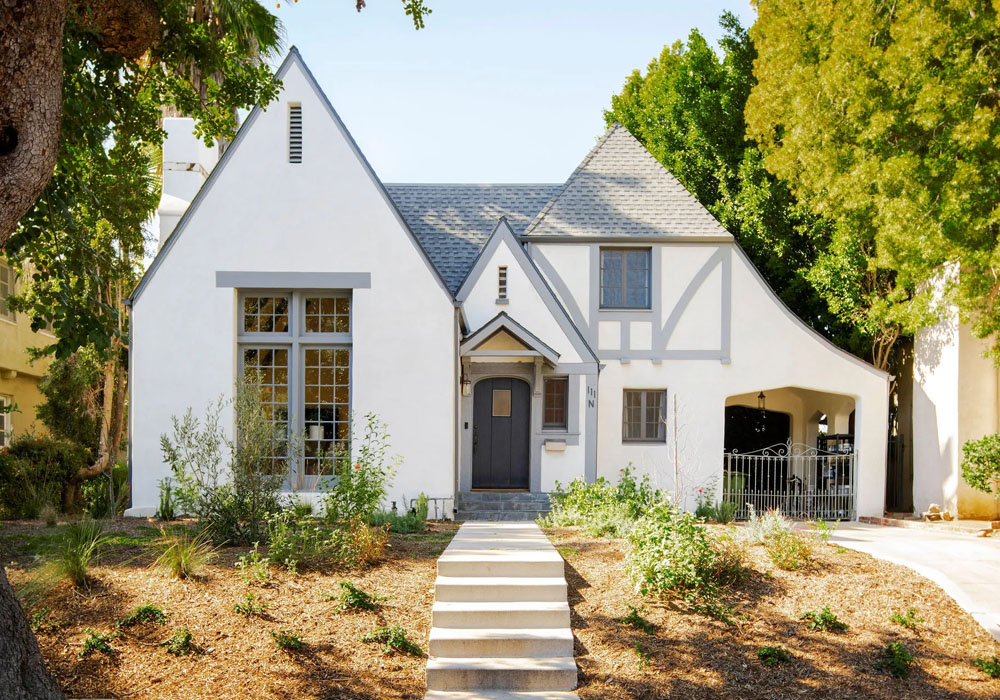
Tudor architecture holds a unique and romantic space in the world of residential design. Originating in England during the Tudor period and revived with immense popularity in the late 19th and early 20th centuries, this style evokes the warmth of medieval cottages and grand countryside manors alike. Defined by steeply pitched roofs, decorative half-timbering, prominent masonry chimneys, and intricate leaded glass windows, Tudor homes offer a storybook aesthetic that remains deeply enduring.
Whether you are restoring an original Tudor Revival residence or looking to infuse classic Tudor elements into a modern design, here are key ideas to inspire your home’s transformation.
Define the Exterior with Authentic Architectural Details
The exterior of a Tudor home is immediately recognizable for its dramatic visual balance. To capture an authentic, high-end look, focus on the interplay between natural stonework, exposed timber, and dark rooflines.
- Half-Timbering and Masonry: The iconic pairing of light stucco or plaster against dark structural wood framing creates the bold contrast Tudor architecture is celebrated for. Accentuate this feature by incorporating brickwork or stone cladding along the foundation and entryway to anchor the home.
- Steep Rooflines & Specialty Metalwork: Tudor rooflines feature sweeping gables that demand quality roofing materials such as slate or heavy architectural shingles. To complement these steep angles, custom metal accents provide essential functionality while elevating exterior elegance. For homeowners seeking authentic mountain-craft luxury, incorporating custom exterior elements like bronze gutters in Park City can accentuate steep rooflines while providing long-lasting protection against harsh weather.
- Leaded Glass & Tall Windows: Replace standard window frames with tall, narrow casements featuring diamond-patterned leaded glass or dark mullions. These windows let natural light filter through while preserving privacy and historical character.
Embrace Heavy Timber and Stonework Indoors
Stepping into a Tudor home should feel like entering a cozy, refined haven. The interior architectural features ought to mirror the craftsmanship visible on the exterior.
Exposed ceiling beams made of dark oak or reclaimed timber instantly anchor living spaces, bringing grand ceiling heights down to a comfortable, intimate human scale. Pair heavy timber beams with hand-finished plaster walls in warm ivory or cream to maintain a soft visual balance.
In the primary living area, a majestic stone or brick fireplace serves as the natural heart of the home. A carved timber or stone mantelpiece decorated with antique brass sconces, wrought iron tools, and framed art pieces creates an atmosphere of timeless comfort.
Craft a Rich, Layered Color and Textile Palette
Classic Tudor interiors thrive on deep, cozy color schemes that reflect natural landscapes and traditional artisan craftsmanship. Rather than stark whites or cool grays, Tudor style embraces comforting warmth and muted jewel tones.
- Color Scheme: Base your interior color palette in soft creams, taupe, and warm beige. Layer in rich accent shades like deep forest green, burgundy, navy, and dark warm wood tones.
- Textiles & Upholstery: Tactile richness is essential for creating warmth. Upholster wingback chairs or deep-seated sofas in velvet, leather, or woven damask fabrics. Heavy drapes hung from dark iron rods frame tall windows while softening hard architectural edges.
- Flooring & Rugs: Dark hardwood flooring—such as wide-plank oak, hickory, or walnut—provides a solid foundation. Layer vintage Persian or Oriental area rugs over the wood to introduce subtle pattern, warmth, and acoustic comfort.
Blend Historical Charm with Modern Living
A Tudor-inspired home does not need to feel like a museum. The key to a successful modern Tudor interior lies in harmoniously blending historic character with contemporary convenience.
In the kitchen, choose custom shaker cabinetry in dark wood stains or muted heritage paint colors like sage or slate gray. Pair cabinetry with warm marble or quartz countertops, brass hardware, and panel-ready appliances that integrate seamlessly into the cabinetry. Pendant lighting crafted from wrought iron or seeded glass brings historic character into modern culinary spaces without sacrificing functionality.
Final Thoughts
Tudor style celebrates heritage, fine materials, and enduring design principles. By embracing dramatic gables, rich timber accents, layered textiles, and thoughtful architectural details, you can curate a space that feels both historically distinguished and welcoming for everyday living.