Key Takeaways
- Read the invitation before choosing your outfit, because the wording of the dress code sets the level of formality.
- Fit, hem length, and comfort matter as much as fabric or embellishment.
- Choose accessories that support the outfit rather than compete for attention.
- Plan for real conditions, including weather, walking surfaces, seating, and long hours on your feet.
Black-tie dressing is less about following a rigid formula and more about arriving in an outfit that feels appropriately formal, well considered, and easy to wear. Whether you are attending a wedding, gala, charity dinner, or evening celebration, browsing black tie event dresses can help you identify the level of polish, length, and fabric that best suits the invitation.
The strongest formal looks begin with context. Read the dress code closely, consider the venue and weather, then choose a silhouette that lets you move comfortably from arrival through the final goodbye. A floor-length gown is a dependable starting point, but it is not the only way to look right for every formal occasion.
Read The Dress Code First
“Black tie” does not mean you must wear black. It signals a formal evening standard, traditionally associated with men’s tuxedos and women’s elegant eveningwear. A quick overview of the black-tie dress code can provide useful background, but the invitation and host’s expectations should guide the final decision.
If the invitation says “black-tie optional,” a formal gown remains an excellent choice, though an elevated cocktail dress or refined separates may also be appropriate. “Formal” usually leaves more room for a long, midi, or exceptionally polished cocktail-length dress. “Creative black tie” invites personality through color, texture, or styling, while still requiring an unmistakably dressy finish.
Understand Levels Of Formality
Use the wording as a practical filter rather than a source of stress. These starting points make it easier to judge where your outfit should land:
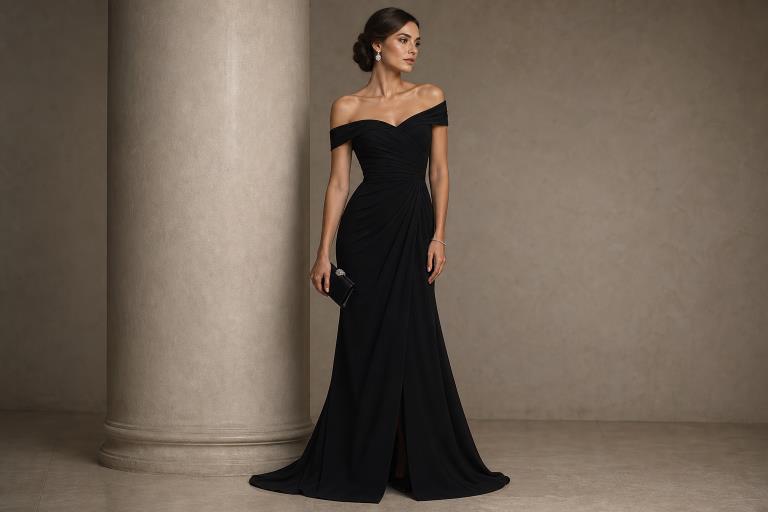
- Black tie:Choose an evening gown, formal full-length dress, or sophisticated eveningwear with a polished shape.
- Black-tie optional:Wear a gown, formal midi, elegant cocktail dress, or dressy separates in luxe-looking fabrics.
- Formal:Select a refined long or midi dress that suits the time, venue, and occasion.
- Cocktail:Choose a dressy, shorter or midi-length look with more flexibility in color, pattern, and shoes.
When the wording is unclear, look at the venue, start time, and event type. A hotel ballroom gala calls for more drama than an afternoon reception, while a formal outdoor wedding may require the same elegance with more practical footwear and fabric choices.
Choose The Right Silhouette
Silhouette affects formality, comfort, and how confidently you move through the event. A column gown creates a clean, streamlined effect that works well for receptions and city venues. An A-line dress offers more ease at the hips and is especially useful for long dinners or dancing. Mermaid styles deliver impact, but they deserve a proper walking and sitting test before the event.
High-low hems, tailored jumpsuits, and formal separates can work when the dress code is flexible or fashion-forward. For a garden event, prioritize a hem that will not drag across grass, gravel, or stairs. In a traditional ballroom, a full-length skirt, a defined waist, or a sweeping shape can feel especially at home.
Consider Fabric And Color
Fabric changes both the formality and practicality of an outfit. Satin, crepe, lace, chiffon, velvet, jacquard, and subtle beading can all look appropriate, depending on the season and venue. Lightweight fabrics are useful for warm-weather events, while velvet and structured materials offer warmth and richness for cooler evenings.
Color should complement the setting rather than follow an unnecessary rule. Dark neutrals create a classic effect, jewel tones suit evening celebrations, and soft metallics can glow under warm lighting. Prints can be acceptable if they feel refined rather than casual. For weddings, avoid the shades the couple has requested guests not wear, and be mindful of colors associated with the wedding party.
Prioritize Fit And Movement
A simpler outfit that fits beautifully will usually look more polished than a dramatic one that needs constant pulling, adjusting, or careful walking. Formal clothing should feel secure, not restrictive.
- Check that the shoulders, bust, waist, and hips lie smoothly when you stand naturally.
- Walk in your final shoes to make sure the hem does not catch or trail underfoot.
- Sit down for several minutes and notice any pulling, gaping, or pressure points.
- Raise your arms to test straps, sleeves, and neckline security.
- Try the exact undergarments, shapewear, and outer layer you plan to wear.
- Book alterations early if straps, hems, or the waist need adjustment.
Finish With Purposeful Details
Accessories should clarify the look, not overload it. Pick one focal point, such as statement earrings, a sculptural bracelet, or a necklace that suits the neckline. A compact clutch should hold essentials without disrupting the silhouette, while shoes should work with the dress length and remain manageable for the full evening.
Many interpretations of formal dressing include gowns, polished separates, and thoughtful finishing details, which can be helpful when a traditional gown does not suit your style or the invitation allows more flexibility. Add a wrap, tailored jacket, or elegant coat when temperatures, outdoor photos, or late-night travel call for an extra layer.
Plan For Comfort
Comfort is part of looking composed. Break in new shoes before the event, and bring blister cushions, fashion tape, safety pins, and a compact sewing kit. If the venue includes grass, cobblestones, steep stairs, or a long walk from parking, select a stable heel or formal flat that lets you move without hesitation.
Also consider lighting and photographs. Highly reflective fabrics, sheer panels, and visible undergarment lines may look different under flash than they do in a fitting room. Take a few photos at home in both daylight and indoor light before committing to the full outfit.
Use A Final Outfit Checklist
- Confirm the invitation wording, venue, weather, and start time.
- Try on the complete outfit with shoes, undergarments, jewelry, and outerwear.
- Test walking, sitting, dancing, and using stairs.
- Pack your clutch with essentials and a few emergency items.
- Allow extra time for getting dressed, travel, and last-minute adjustments.
Conclusion
Successful black-tie dressing comes down to matching the event’s formality, choosing a flattering and functional fit, and preparing for the conditions you will actually face. When your outfit is polished, comfortable, and thoughtfully finished, you can focus less on managing what you are wearing and more on enjoying the occasion.